
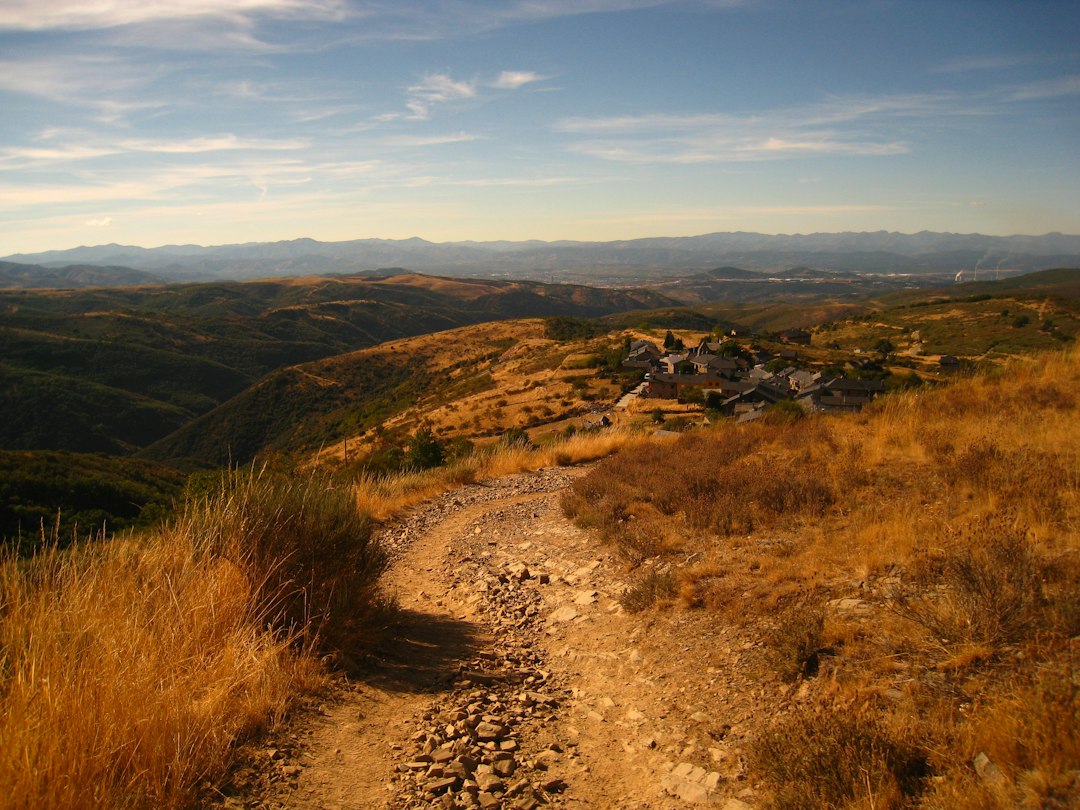

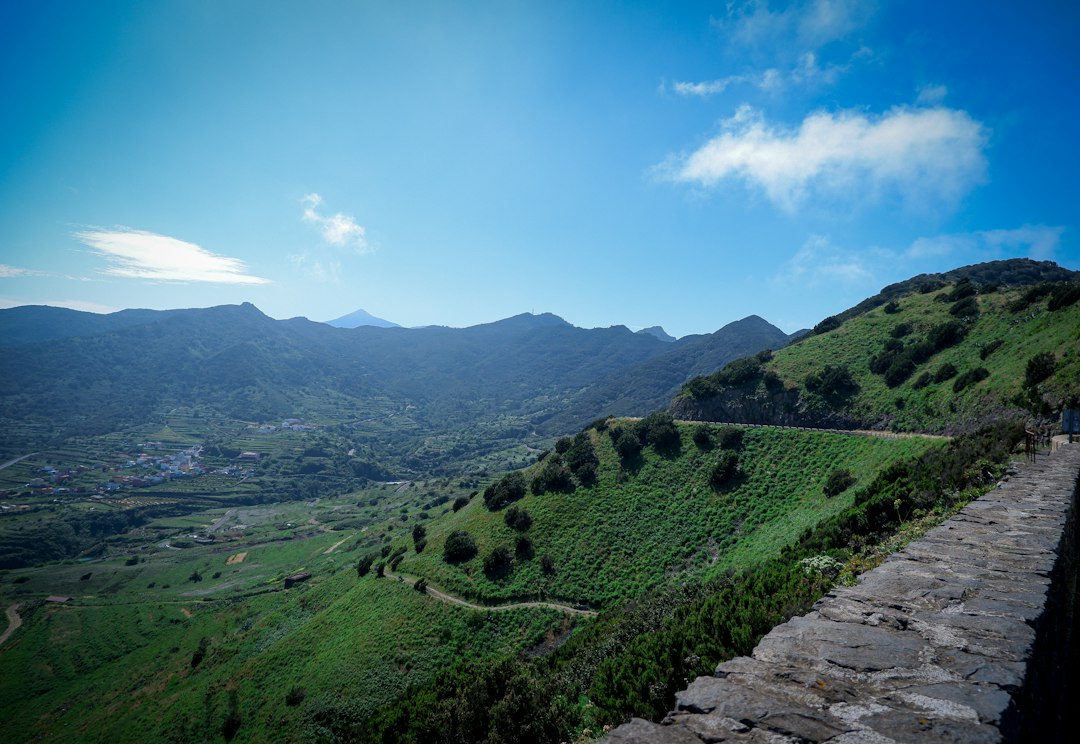
At a 1,300 meters altitude, the pass of O Cebreiro marks one of the most intense moments of the entire Camino de Santiago. Those arriving from Pedrafita do Cebreiro after having traveled the final stretch of the ascent from Galicia find themselves in front of a landscape that changes radically: the Castilian Meseta gives way to the green and misty hills of Galicia, the forests of eucalyptus and oaks thicken, and the air becomes humid and fresh even in the height of summer. The village of O Cebreiro, accessible by car from the N-VI, hosts one of the oldest stages of the route: the monastery of Santa María la Real, documented as early as the 9th century, is considered one of the oldest resting places for pilgrims along the entire route.
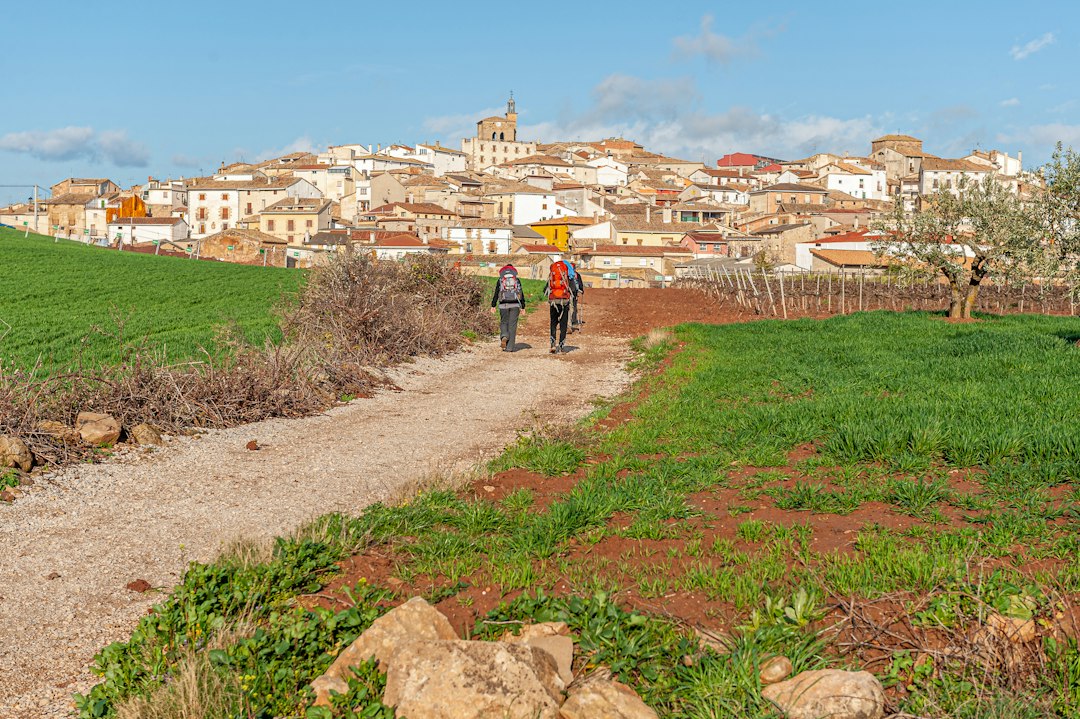
The Camino Francés, which starts from Saint-Jean-Pied-de-Port in the Pyrenees and covers about 780 kilometers to Santiago de Compostela, reaches here its last major orographic obstacle before the descent towards the Galician plain. Pedrafita do Cebreiro is the municipality that administers this border territory between Castilla y León and Galicia, and the town itself is the starting point on foot for those who want to tackle the final ascent to O Cebreiro. The distance from O Cebreiro to Santiago de Compostela is about 153 kilometers, traditionally divided into five or six stages.
The path from the ascent to the pass
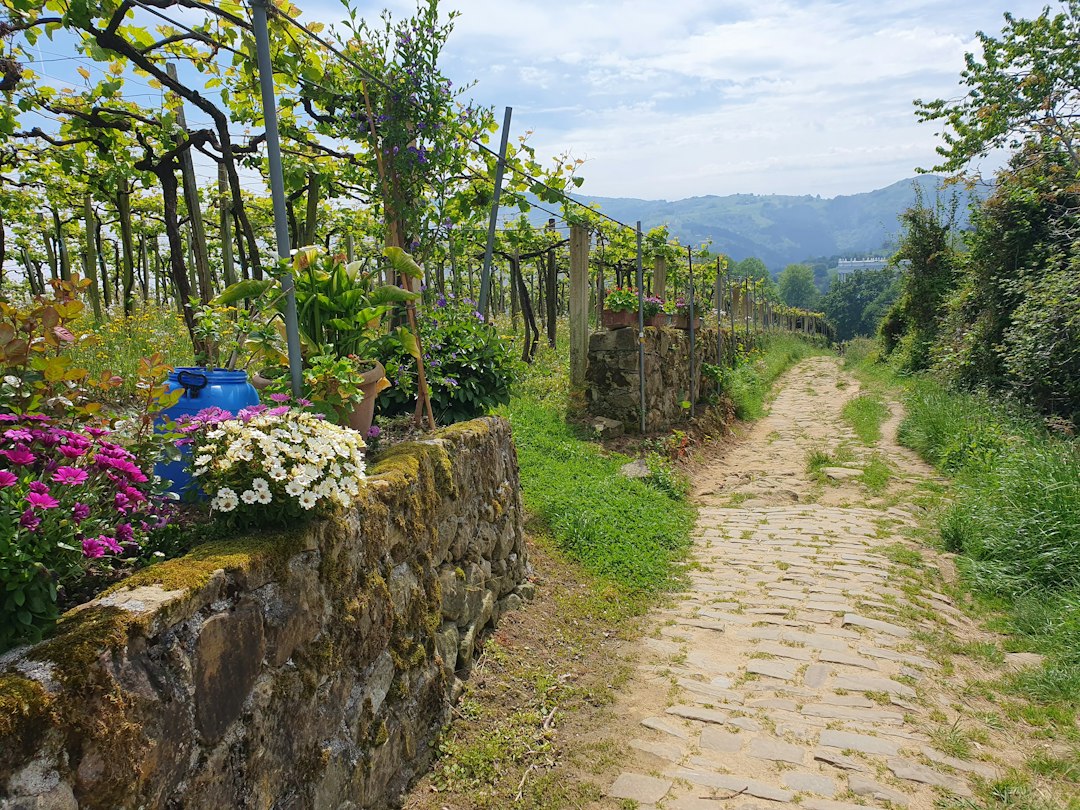
The route from Pedrafita do Cebreiro ascending towards O Cebreiro covers about 5 kilometers with a positive elevation gain of over 600 meters. The path partly follows the provincial road LU-633, but also winds through chestnut forests and meadows where Galician cows, the so-called vacas rubias, graze. The yellow arrows painted on stones and the posts with the scallop shell — the official symbol of the Camino — guide pilgrims even when the fog reduces visibility to a few meters.
At the top, the village of O Cebreiro still preserves some palloza, the ancient circular stone houses with thatched roofs typical of pre-Roman Galicia, some of which have been converted into an ethnographic museum. The Romanesque church of Santa María la Real, dating back at least to the 9th century, houses a medieval chalice that according to local tradition is associated with the legend of the Galician Holy Grail. Inside, one can observe the statue of the Virgin of O Cebreiro, one of the most venerated Marian images in Galicia.
The descent through the Galician forests
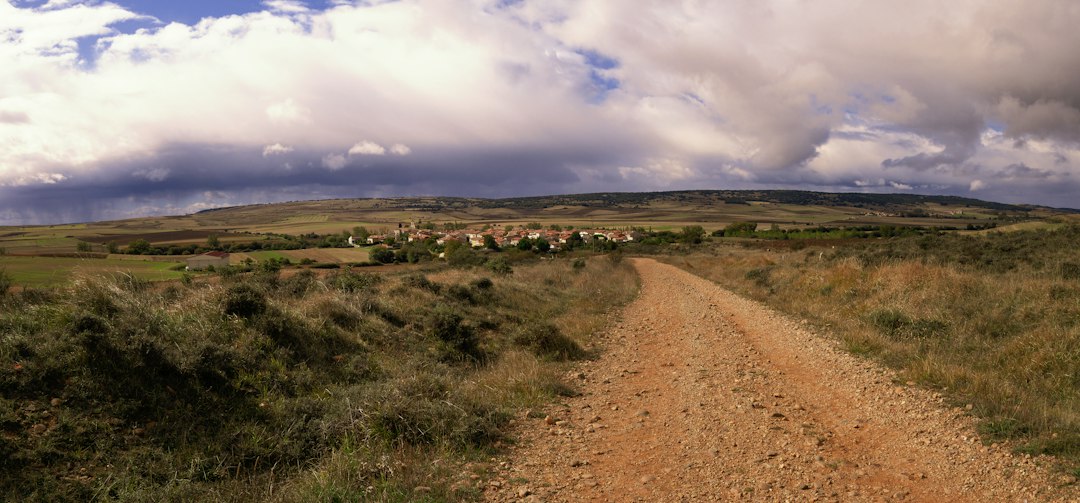
After O Cebreiro, the path descends towards Triacastela through landscapes that many pilgrims describe as the most evocative of the entire route. The oak and chestnut woods alternate with open valleys where the silence is interrupted only by the sound of streams and the bells of livestock. The locations of Liñares, Hospital da Condesa, and Padornelo are small rural clusters with fewer than a hundred inhabitants each, where the only infrastructure for pilgrims is often a public or private albergue.
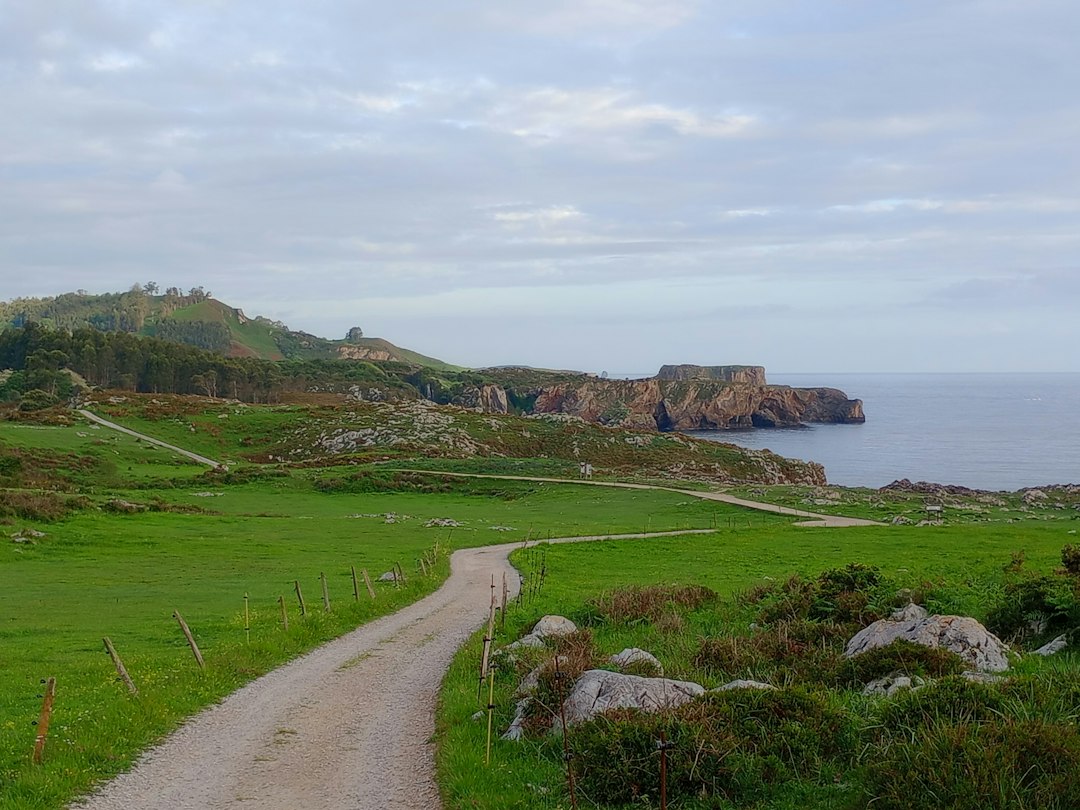
The stage from O Cebreiro to Triacastela measures about 21 kilometers with a significant negative elevation that puts a strain on the knees. Trekking poles, which many pilgrims purchase already in Saint-Jean or along the way, become essential here. The trail surface varies greatly: stretches of dirt alternate with granite pavements that, soaked by the frequent rain of Galicia, can become slippery.
What to know before leaving
Those arriving in Pedrafita do Cebreiro by car can park in the village and start the ascent on foot towards O Cebreiro, or drive directly to the pass and proceed with the subsequent stages towards Santiago. The pilgrim's credential, the stamped document at each stage that allows you to obtain the Compostela in Santiago, can also be started or stamped at the albergue in O Cebreiro. To obtain the Compostela, it is necessary to have walked at least the last 100 kilometers, which makes O Cebreiro a valid starting point for those with a week available.
The best time to walk this stretch is between May and October, although Galicia is subject to frequent rains in any season. Bringing a reliable raincoat and waterproof shoes is a concrete necessity, not a general recommendation: the microclimate of O Cebreiro is notoriously humid and temperatures at the pass can drop even in summer. The public albergues of the Xunta de Galicia along the route generally cost between 6 and 10 euros per night and only accept pilgrims with a valid credential.
The Arrival in Santiago de Compostela
After five or six days of walking from O Cebreiro, the route enters the city of Santiago de Compostela through the historic district, leading to the Plaza del Obradoiro, where the baroque facade of the cathedral — completed in 1750 by the architect Fernando de Casas Novoa — welcomes pilgrims arriving from all over Europe. The cathedral hosts the Misa del Peregrino every day, a religious service dedicated to those who have completed the journey, with times varying according to the liturgical calendar.
The moment when one descends from rural Galicia and enters the city is one of the most distinct transitions of the entire journey: from the silent chestnut woods to the cobblestone streets of the historic center, declared World Heritage by UNESCO in 1985. Pedrafita do Cebreiro and O Cebreiro remain in the memory of pilgrims not merely as a point of passage, but as the place where the Camino changes its face for the last time.


