
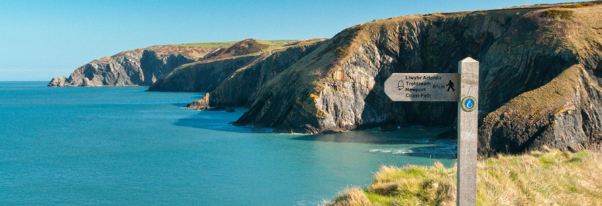

Stretching along the rugged shoreline of west Wales, the Pembrokeshire Coast National Park enchants visitors with its breathtaking landscapes and rich tapestry of history and culture. Established in 1952, it remains unique in the United Kingdom as the only national park designated primarily for its magnificent coastline. Its diverse habitats and stunning vistas make it a haven for nature lovers, while its historical depth captivates those eager to explore its past.
The history of the Pembrokeshire Coast is as deep as its cliffs are high. Human activity in the area dates back thousands of years, with evidence of Neolithic settlements dotting the landscape. The ancient Pentre Ifan burial chamber, with its impressive capstone, stands as a testament to the area's prehistoric significance. Throughout the centuries, Pembrokeshire has witnessed the ebb and flow of various civilizations, from Iron Age hill forts to Roman settlements and medieval castles, each leaving an indelible mark on the terrain.
Art and architecture in Pembrokeshire are equally compelling. The region boasts a remarkable array of historic structures, including the majestic St David's Cathedral, a masterpiece of medieval architecture nestled in the smallest city in Britain. This cathedral has been a pilgrimage site since the 12th century, radiating spiritual and architectural significance. The charming villages, with their pastel-colored cottages, reflect a blend of Welsh and maritime influences, offering a picturesque escape into the past.
Local culture thrives in Pembrokeshire, where age-old traditions and vibrant festivals bring the community together. The St David's Day celebration on March 1st honors Wales' patron saint with parades, concerts, and traditional dress. The Pembrokeshire Fish Week, held annually in June, celebrates the region's coastal bounty with seafood tastings, cookery demonstrations, and maritime-themed events, highlighting the integral connection between the land and sea.
Gastronomy in Pembrokeshire is a delightful journey through local flavors. The coastline provides an abundance of seafood delights, including fresh lobster, crab, and mackerel. Traditional Welsh dishes like cawl, a hearty lamb stew, and bara brith, a fruit-laden tea bread, offer a taste of the area's culinary heritage. The region's dairy farms produce creamy cheeses and rich ice creams, perfect for indulgence after a day of exploration.
For those seeking lesser-known curiosities, Pembrokeshire offers hidden gems waiting to be discovered. The Green Bridge of Wales, a natural rock arch sculpted by the relentless Atlantic waves, is a stunning geological marvel often overlooked by tourists. Skomer Island, a short boat trip from the mainland, is a sanctuary for puffins and other seabirds, providing a mesmerizing spectacle of wildlife during the spring and summer months.
When planning a visit to Pembrokeshire, timing can greatly enhance the experience. Spring and early summer (May to July) are ideal for wildlife enthusiasts, as the flora and fauna are at their most vibrant. For those interested in coastal hikes, the autumn months offer cooler temperatures and fewer crowds. Regardless of the season, sturdy footwear and weather-appropriate clothing are advisable, as the coastal weather can be unpredictable.
To truly immerse in the wonders of Pembrokeshire Coast National Park, consider using the Secret World app to curate a personalized itinerary that unveils its hidden splendors and storied past.


