



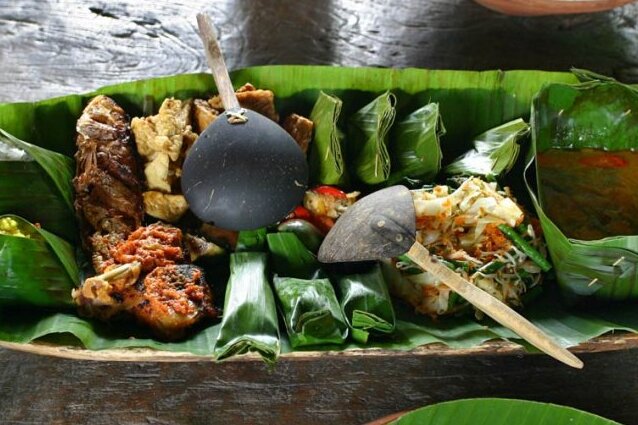
In the lush landscapes of Indonesia, the Sundanese cooking method known as Pepes stands out as a vibrant culinary tradition. This unique method of wrapping food in banana leaves not only encapsulates flavors but also embodies the essence of Indonesian culture. With roots tracing back centuries, Pepes is more than just a cooking style; it is a celebration of local ingredients and communal gatherings.
### History and Origins
The art of Pepes cooking is believed to have ancient origins, emerging from the Sundanese people of West Java. This region, rich in agricultural produce, has a long-standing tradition of utilizing natural resources, such as banana leaves, in culinary practices. The word 'Pepes' itself is derived from the Sundanese term 'pepesan', meaning to wrap or enclose.
Historically, Pepes was used during ceremonial occasions and communal feasts. It is said that during the reign of the Sunda Kingdom in the 14th century, the practice of wrapping food in leaves became popular among the nobility, showcasing the region's agricultural abundance. Over time, this culinary method evolved, incorporating various local ingredients and flavors, reflecting the diverse tapestry of Indonesian culture.
### Art and Architecture
While Pepes is primarily a culinary art, it also connects deeply with the architectural styles of the Sundanese people. Traditional Sundanese houses, known as Saung, are often built with natural materials like bamboo and wood, reflecting a harmony with nature similar to that found in the Pepes cooking method. The aesthetics of these homes, with their intricate carvings and sloping roofs, resonate with the community's respect for the environment.
Artistic significance can also be observed in the presentation of Pepes dishes. The vibrant green of banana leaves contrasts beautifully with the colorful ingredients, creating an inviting visual appeal. This connection between food and art is a hallmark of Sundanese culture, where meals are often seen as a form of artistic expression.
### Local Culture and Traditions
In the Sundanese community, food plays a central role in social gatherings and festivals. The preparation of Pepes is often a communal activity, where family members gather to share recipes and techniques. Festivals such as Seren Taun, an annual harvest celebration, highlight the importance of gratitude towards the earth’s bounties, where Pepes dishes are frequently featured.
Moreover, the act of preparing Pepes is steeped in ritual; blessings are often offered before cooking, signifying respect for the ingredients and the environment. This practice strengthens community bonds and preserves cultural heritage, which remains vital in today’s fast-paced world.
### Gastronomy
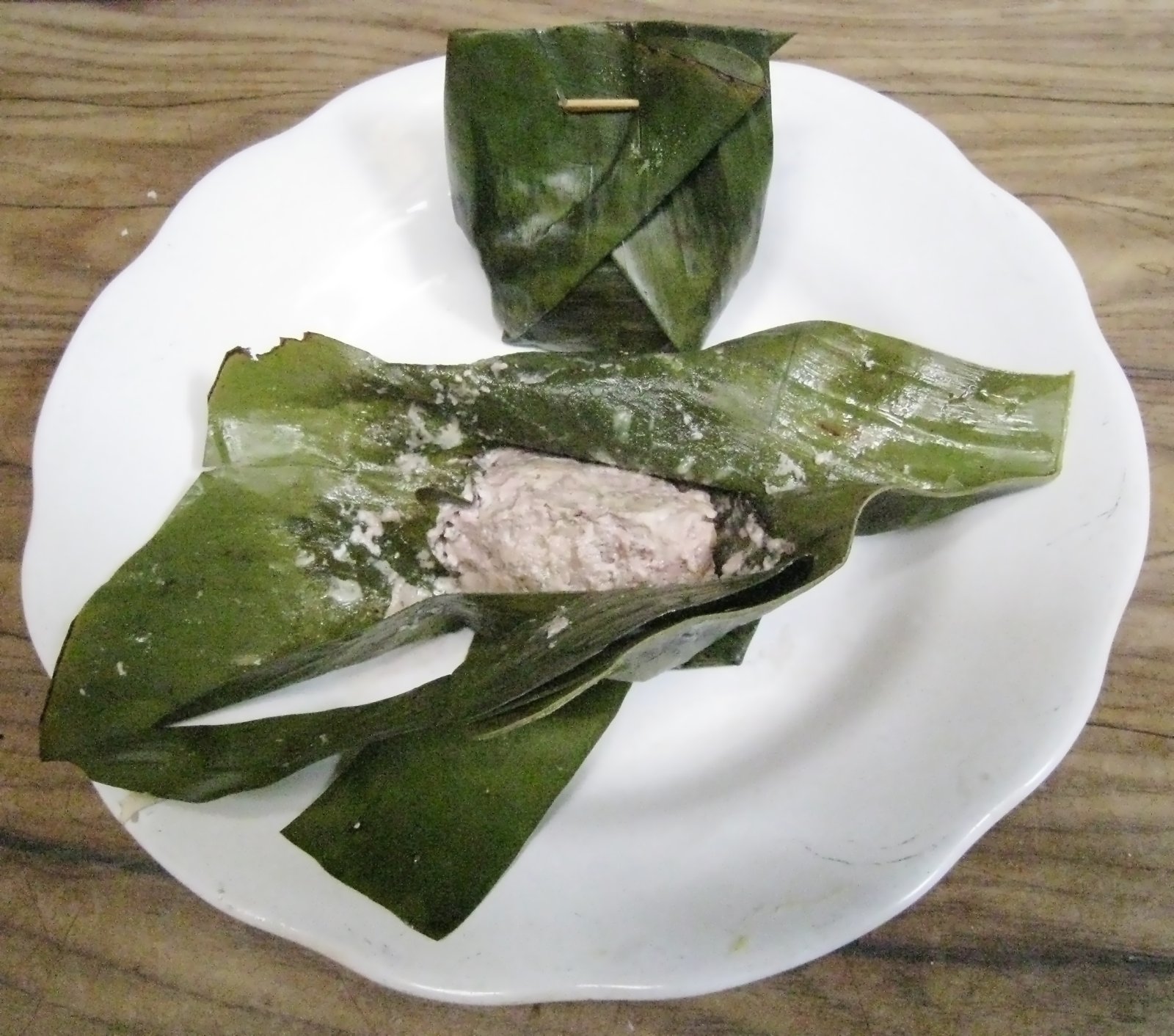
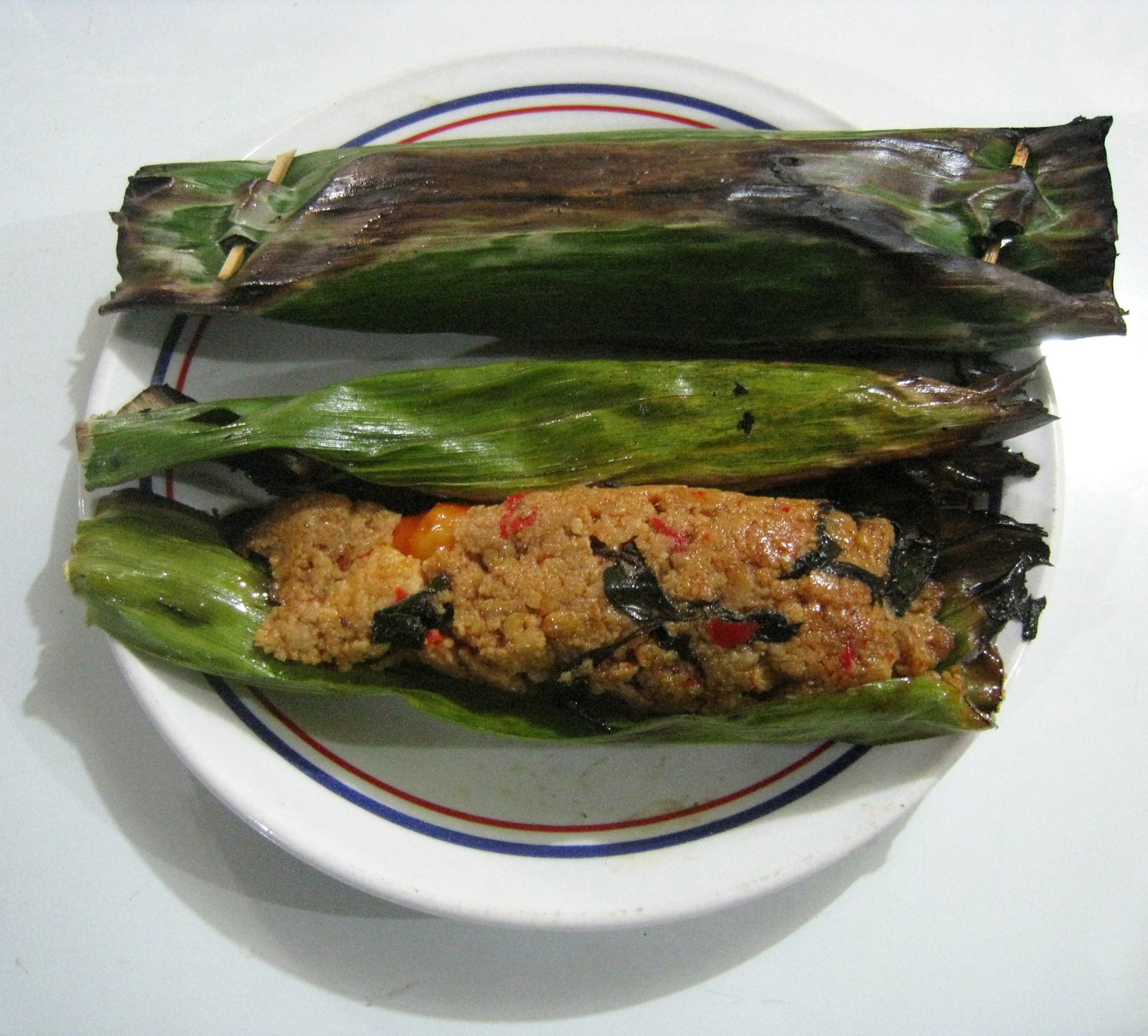
When it comes to gastronomy, Pepes is incredibly versatile. The most common variant is Pepes Ikan, which features fish marinated in spices and wrapped securely in banana leaves. Other popular versions include Pepes Ayam (chicken), Pepes Tahu (tofu), and Pepes Sayuran (vegetables). Each dish is seasoned with a blend of traditional Sundanese spices like turmeric, ginger, and lemongrass, creating a symphony of flavors that dance on the palate.
The steaming or grilling process infuses the food with a distinct aroma, thanks to the banana leaves, which add a slightly earthy flavor. Accompanying these dishes, you might find nasi liwet (fragrant rice cooked in coconut milk) and a variety of sambals, adding depth to the meal.
### Lesser-Known Curiosities
While many tourists flock to popular Indonesian dishes such as Nasi Goreng and Satay, Pepes remains a hidden gem in the culinary landscape. One unique aspect is the way banana leaves are prepared; they are often lightly scorched to enhance their flexibility and aroma before wrapping.
Additionally, the practice of using Pepes extends beyond just cooking; it is often employed in rituals as offerings in traditional ceremonies, showcasing its spiritual significance. Locals believe that the act of wrapping food in banana leaves offers protection to the ingredients, enriching both the flavor and the experience.
### Practical Visitor Information
The best time to explore the culinary delights of Pepes is during the dry season, from May to September, when fresh ingredients are abundant. For those wishing to experience this tradition firsthand, visiting local markets in regions like Bandung or Bogor is highly recommended.
Be sure to engage with local chefs or home cooks who can provide insights into the preparation of Pepes. Participating in a cooking class can be an enriching experience, allowing travelers to bring a piece of Sundanese culture back home.
### Conclusion
In the heart of Indonesia, Pepes is not just a cooking method; it is a vibrant testament to the rich cultural heritage of the Sundanese people. The aromatic blend of spices wrapped in banana leaves invites both locals and travelers to savor the flavors of community, tradition, and history.
Take the time to dive deep into this culinary art form, and you'll uncover the layers of stories and flavors that make Pepes a delightful experience.
For personalized recommendations on your journey to discover Pepes and beyond, consider using the Secret World app to plan your ideal itinerary.
