



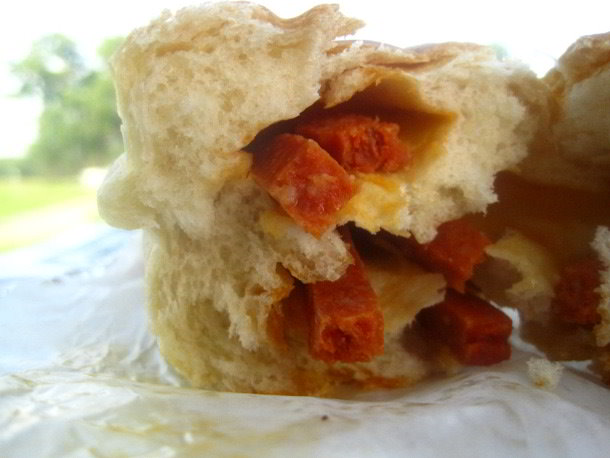
In the heart of West Virginia, nestled within the verdant embrace of the Appalachian Mountains, lies one of the state's most beloved culinary treasures: the pepperoni roll. This humble yet flavorful snack is a testament to the region’s rich cultural tapestry and its history of industriousness and adaptation.
The story of the pepperoni roll begins in the early 20th century, amidst the coal mining boom that swept through West Virginia. Immigrant laborers, particularly Italians, brought with them culinary traditions that would forever alter the state's gastronomic landscape. Legend has it that in 1927, Giuseppe Argiro, an Italian immigrant and coal miner, first baked these rolls in Fairmont, West Virginia. The pepperoni roll was conceived as a portable, hearty meal that miners could easily carry and consume in the depths of the mines without the need for refrigeration—a prerequisite given the conditions of the time. The pepperoni, high in fat, would slowly melt into the surrounding dough, infusing the roll with rich, savory flavors. This innovation was not just a meal but a solution to the miners' daily challenges, embodying the spirit of ingenuity that defines the region.
While the pepperoni roll may not boast grand architectural monuments or lavish artistic expressions, its presence is an art form in itself—a culinary architecture, if you will. Each bakery across West Virginia puts its own spin on the classic roll, some adding cheese or varying the type of pepperoni used. These subtle variations are akin to brushstrokes on a canvas, creating a diverse yet cohesive cultural masterpiece. The pepperoni roll is more than a snack; it is a living piece of history, echoing the struggles and victories of a bygone era.
Local culture in West Virginia is deeply intertwined with its food traditions. The pepperoni roll is celebrated in festivals such as the West Virginia Italian Heritage Festival, held annually in Clarksburg, where locals and visitors alike revel in Italian-American culture and, of course, indulge in this iconic snack. This festival is a vibrant showcase of music, dance, and culinary delights, reflecting the multicultural influences that have shaped the state. Here, the pepperoni roll stands as a symbol of cultural fusion, connecting the past with the present.
Beyond the pepperoni roll, West Virginia offers a rich tapestry of gastronomic delights. The state's cuisine is a reflection of its diverse immigrant population and abundant natural resources. From the hearty ramps, a wild leek that heralds spring, to the sweet, gooey pawpaw fruit, West Virginia's culinary offerings are as varied as its landscapes. Local beverages, such as the handcrafted ales and ciders from the burgeoning craft beer scene, complement the state’s traditional fare perfectly.
For those in search of the lesser-known facets of West Virginia's pepperoni roll, there's a charming anecdote involving its role during World War II. It is said that soldiers from West Virginia would receive care packages containing pepperoni rolls, which quickly gained popularity among their non-native comrades. This simple food from home became a comfort for many far from the rolling hills of Appalachia.
Visiting West Virginia to experience the pepperoni roll is a journey best undertaken in the fall. The state's autumnal landscape, awash in vibrant hues of red, orange, and gold, provides a stunning backdrop to any culinary adventure. While in the area, make sure to visit local bakeries like Country Club Bakery in Fairmont, where the pepperoni roll is said to have been born, or Tomaro's Bakery in Clarksburg, which has been serving its version since the 1920s.
When exploring this region, it is wise to immerse yourself in its traditions. Attend a local festival, engage with the friendly locals, and savor the flavors that tell the stories of West Virginia’s past. The pepperoni roll is more than a snack; it is a portal to the history, culture, and heart of a region that has welcomed generations of dreamers and doers. Whether you are biting into its soft, warm bread for the first time or relishing it as a familiar comfort, the pepperoni roll promises an authentic taste of Appalachian hospitality and resilience.
