



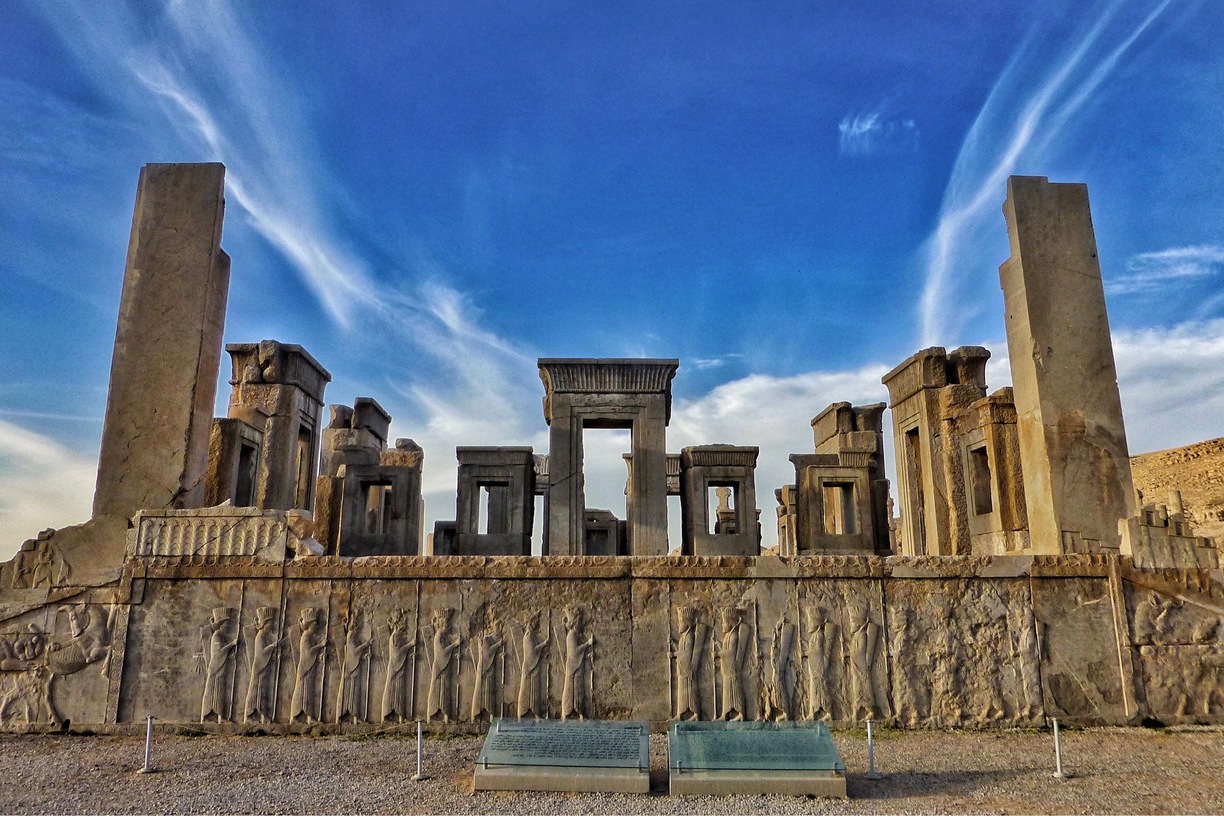
Nestled in the heart of Iran, the ancient ruins of Persepolis rise majestically from the arid plains, whispering tales of a bygone era when it served as the capital of the Persian Empire. Founded by Darius I around 515 BC, this monumental site was not merely a city but a grand symbol of the vast power and sophistication of the Achaemenid dynasty. As you wander through its imposing structures, you can almost feel the weight of history pressing down.
The rise of Persepolis was inextricably linked to the ambitions of its founders. Darius I envisioned a city that would reflect the glory of his empire, and under his reign, the site evolved into a magnificent ceremonial capital. The city thrived until its tragic fall in 330 BC, when the Macedonian conqueror Alexander the Great captured it. In an act that would echo through history, his troops set fire to the great palace of Xerxes, igniting a blaze that consumed much of the city. This destruction marked a turning point, as Persepolis never regained its former glory and gradually fell into decline.
The architectural grandeur of Persepolis is a testament to the ingenuity of ancient Persian builders. The site sprawls over 125,000 square meters and is characterized by its impressive structures, which blend Elamite, Babylonian, and Greek influences. Among its most notable features is the Apadana Palace, with its grand staircase adorned with intricately carved reliefs depicting representatives of various nations bringing tribute to the king. The Gate of All Nations, flanked by colossal stone bulls, serves as an imposing entrance, welcoming visitors into a realm of royal splendor.
The artistry of Persepolis is unparalleled; its walls are decorated with exquisite bas-reliefs that depict scenes of court life, battles, and the annual Nowruz celebration, which marks the Persian New Year. This attention to detail not only showcases the artistic prowess of the Achaemenid artisans but also provides insight into the culture and values of ancient Persia. The Throne Hall, or Apadana, was designed for ceremonial purposes, and its grandeur reflects the importance of ritual in Persian society.
Despite its vast historical significance, Persepolis remains intricately connected to contemporary Iranian culture. Traditions are deeply rooted in the area's rich past, with Nowruz being a prime example. This festival, celebrated on the spring equinox, honors the renewal of nature and embodies the spirit of Persian heritage. The people of Shiraz, the modern city nearby, often gather to celebrate in the ruins, blending ancient traditions with contemporary festivities.
When it comes to gastronomy, the region around Persepolis offers a wealth of flavors that reflect its rich cultural tapestry. One must-try dish is Kabab, skewered and grilled meat that embodies the Persian love for hospitality and feasting. Pair this with Shirin Polow, a fragrant saffron rice dish mixed with nuts and dried fruits, to experience the culinary richness of the region. For a refreshing drink, indulge in Doogh, a yogurt-based beverage that balances the spices of Persian cuisine.
As you explore the ruins, keep an eye out for lesser-known curiosities that reveal the layers of Persepolis’s history. For instance, the Tachara Palace is thought to have been built as a winter residence for Darius I. Its cooler climate served as a retreat from the heat of summer, showcasing the architectural ingenuity of the ancient Persians. Moreover, the inscription at the Hall of 100 Columns is dedicated to Xerxes, emphasizing his role as a unifier of the empire, a detail often overlooked by visitors.
The best time to visit Persepolis is during the spring (March to May) or autumn (September to November), when the weather is mild and pleasant. Arriving early in the morning allows you to experience the site in tranquility before the crowds arrive. As you wander through the ruins, don’t miss the chance to admire the intricate carvings and to take a moment of reflection at the Tomb of Artaxerxes, which lies just beyond the main complex.
For those seeking a deeper understanding of this ancient wonder, consider using the Secret World app to create a personalized itinerary that highlights the hidden gems and rich stories of Persepolis.
