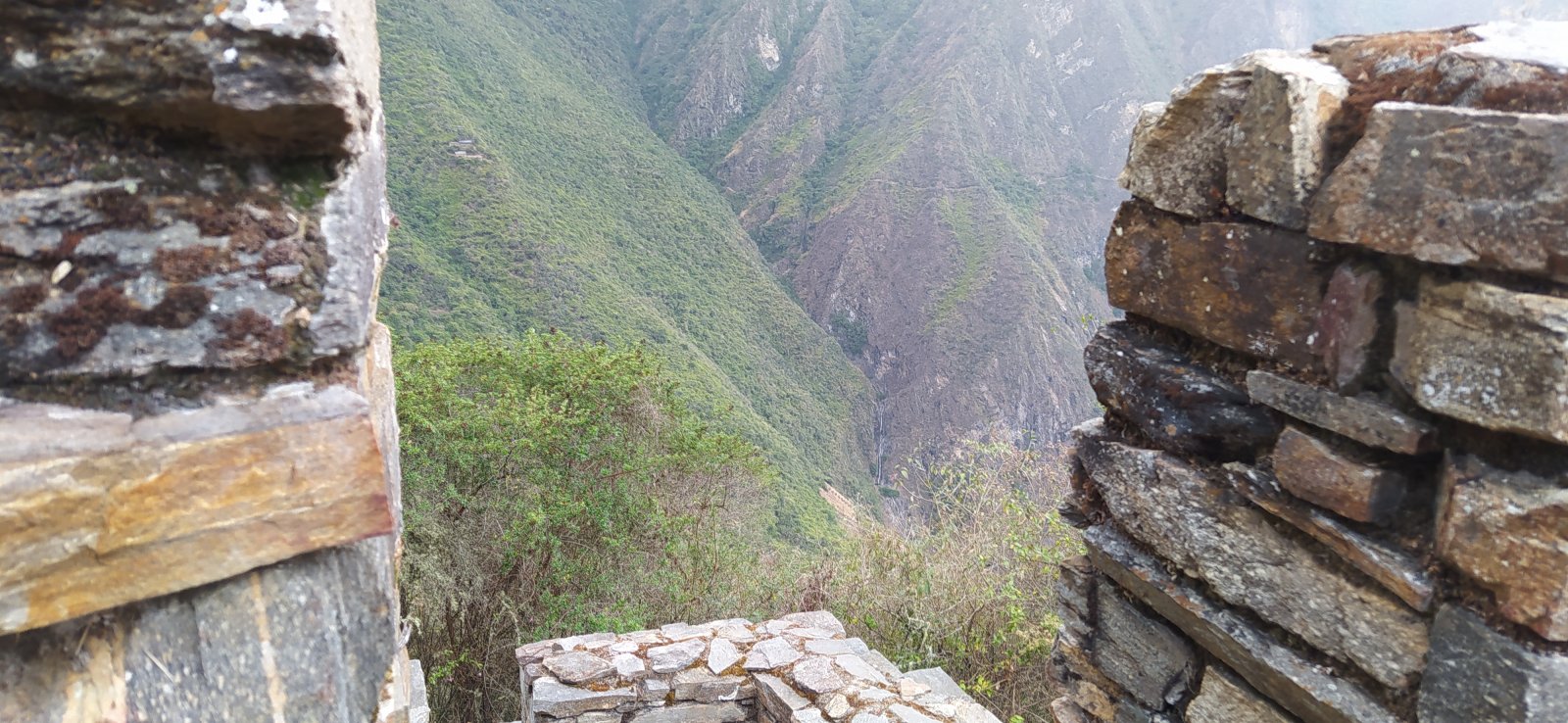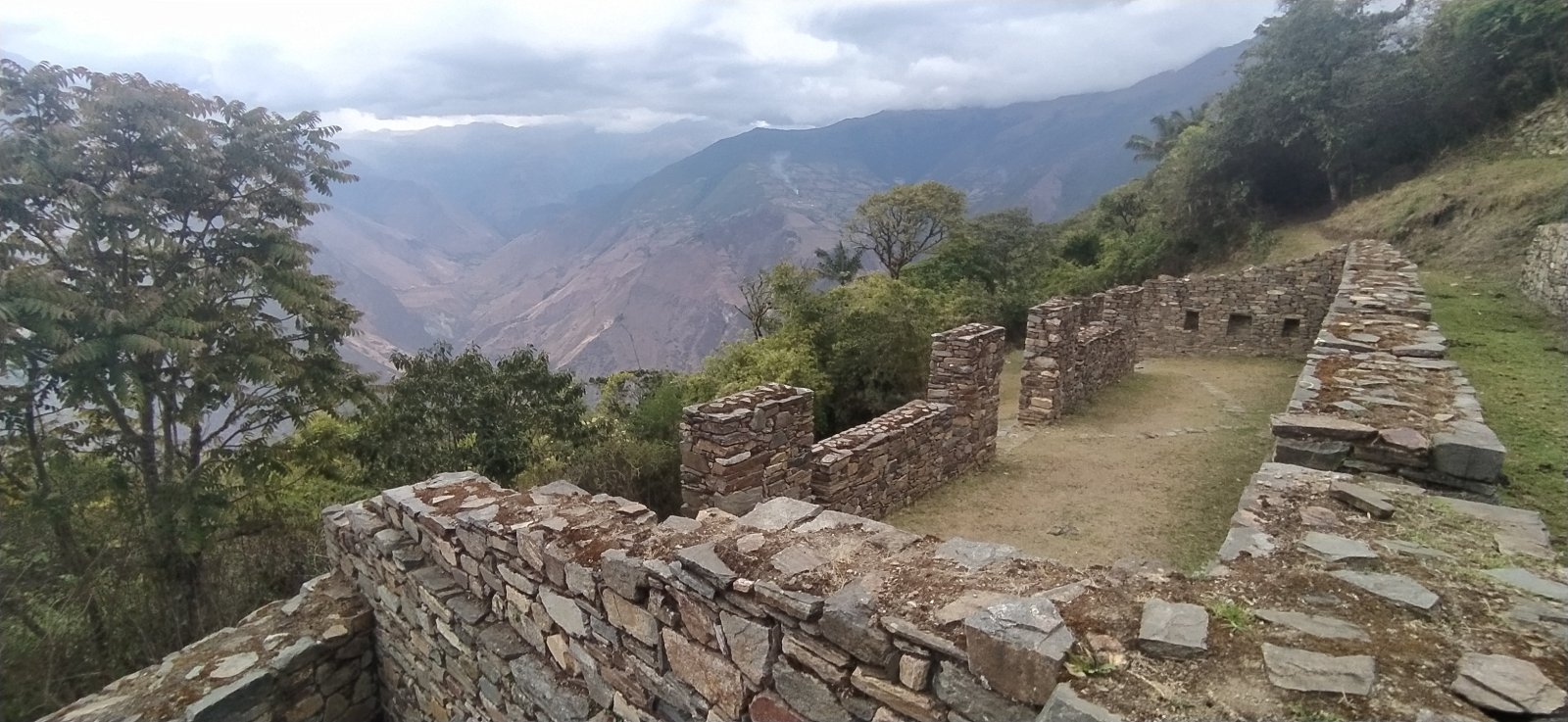
Nestled high in the Peruvian Andes, Choquequirao is a breathtaking testament to the ingenuity of the Inca civilization. Often overshadowed by its more famous counterpart, Machu Picchu, this archaeological gem offers an unparalleled glimpse into the past, revealing the splendor and complexity of Inca society.
### History and Origins
Choquequirao means "Cradle of Gold" in Quechua, and its origins date back to the late 15th century during the reign of Pachacuti, the ninth Inca emperor who is credited with expanding the Inca Empire. Serving as both a religious and administrative center, Choquequirao was strategically located on a ridge overlooking the Apurímac River, making it an essential waypoint for the Inca road network that connected various parts of the empire.
The site is believed to have played a significant role during the Spanish conquest in the 16th century. While Machu Picchu was discovered by Hiram Bingham in 1911, Choquequirao remained hidden from the world for much longer, allowing it to escape the ravages of colonial looting. It wasn’t until the 1970s that serious archaeological work began, revealing the site’s expansive layout and intricate structures.
### Art and Architecture
The architectural style of Choquequirao is strikingly similar to that of Machu Picchu, featuring finely crafted stonework that has stood the test of time. The site encompasses over 1,800 terraces, a large agricultural area, and numerous buildings, including temples and plazas. The most notable structure is the Main Plaza, flanked by impressive stone walls and ceremonial buildings, where rituals and gatherings would have taken place.
Among the artistic highlights are the Llama and Puma figures carved into the terraces, representing the significance of these animals in Inca culture. The stone masonry employed at Choquequirao, with its precise fit and lack of mortar, showcases the advanced engineering skills of the Incas, making it a marvel for both visitors and historians alike.
### Local Culture and Traditions
The region surrounding Choquequirao is rich in cultural heritage, with local communities that proudly maintain their Quechua traditions. The Apurímac Valley is also home to various festivals that celebrate the agricultural calendar and the local deities. One such celebration is the Inti Raymi, or Festival of the Sun, held in June to honor Inti, the Inca sun god. During this festival, locals dress in traditional clothing and perform rituals that have been passed down through generations, offering visitors a vivid insight into the living culture of the Andes.
Moreover, the customs of the Quechua people are reflected in their daily lives, from weaving colorful textiles to their agricultural practices, which often incorporate ancient techniques still in use today.
### Gastronomy
A trek to Choquequirao is not just a journey through history but also an exploration of Peruvian gastronomy. The local cuisine is a delightful blend of flavors and ingredients. You’ll find traditional dishes such as Pachamanca, a festive meal cooked underground with hot stones, and Causa Rellena, a layered potato dish typically filled with avocado, chicken, or tuna.
The region is also known for its high-quality coffee, which is often grown in the areas surrounding the archaeological site. Travelers can savor a cup of locally sourced brew while taking in the stunning views of the Andes, making for a memorable culinary experience.
### Lesser-Known Curiosities
Despite its grandeur, Choquequirao remains relatively unexplored compared to other Inca sites. Interestingly, only about 30% of the site has been excavated, leaving vast areas shrouded in mystery. This incomplete status adds an air of intrigue, as archaeologists continue to uncover more about the site.
Additionally, the trek to Choquequirao is an adventure in itself. The journey, often described as arduous, takes you through diverse ecosystems and breathtaking landscapes, from arid valleys to lush cloud forests. As you make your way down and up the steep canyon, keep an eye out for the Andean condors soaring overhead, a symbol of freedom in Incan mythology.
### Practical Visitor Information
The best time to visit Choquequirao is during the dry season, from April to October, when the weather is more favorable for trekking. The trek usually takes four days, with two days of hiking to reach the site and two days for the return journey. While challenging, the sense of accomplishment upon reaching the ruins is unparalleled.
Bring plenty of water and snacks, as well as proper trekking gear, to navigate the steep and often rugged terrain. Hiring a local guide can enhance your experience, providing invaluable insights into the history and culture of the area.
As you explore the ruins, take time to absorb the tranquil atmosphere; the remote location allows for a more intimate experience with the ancient site, far removed from the crowds that frequent Machu Picchu.
For those eager to uncover this hidden treasure of the Inca, consider planning your journey with personalized itineraries to make the most of your adventure.