



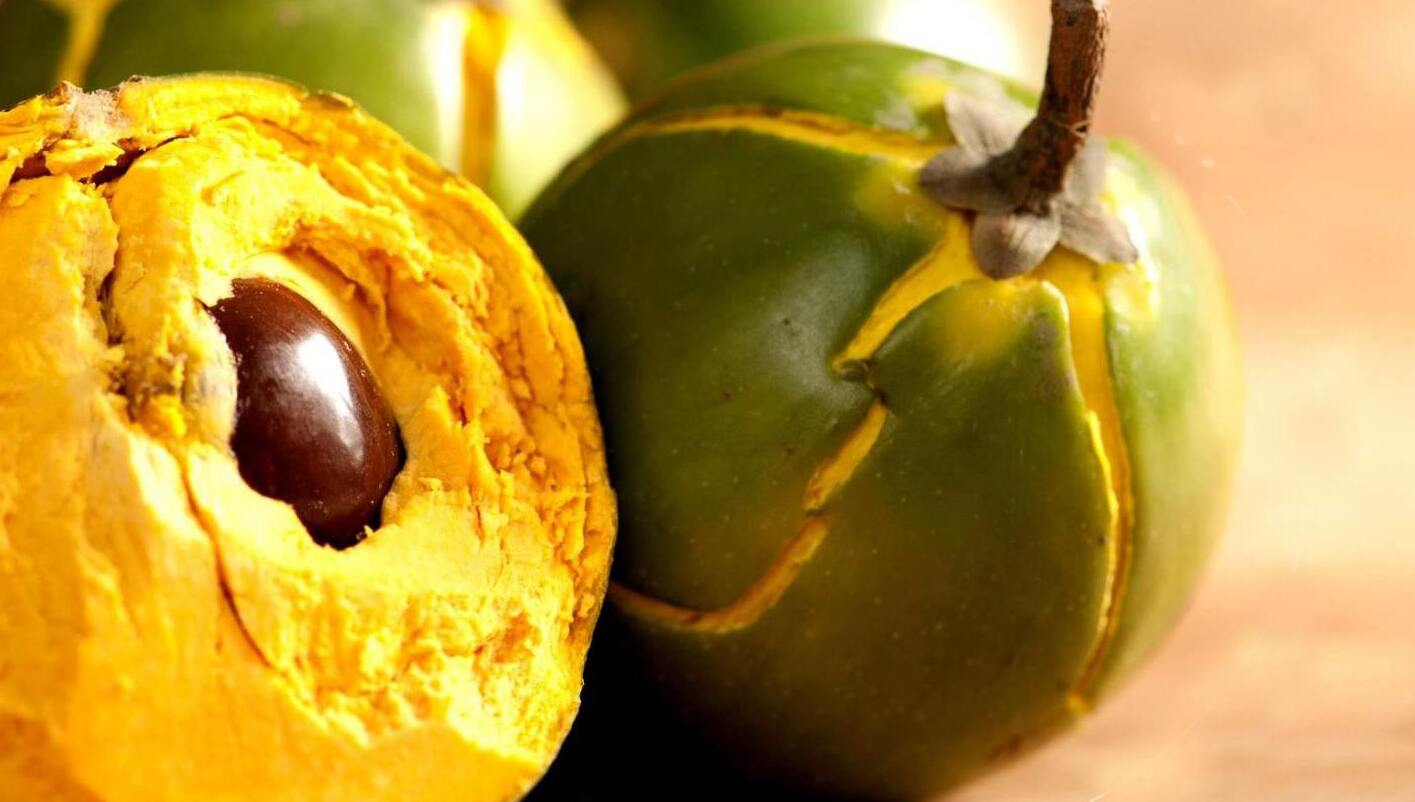
In the heart of Peru, amidst the vibrant tapestry of Andean culture, lies a treasure that has captivated both locals and health enthusiasts alike: the lucuma. This enchanting fruit, often hailed as the "gold of the Incas," has recently emerged as a global superfood, celebrated for its unique flavor and impressive nutritional profile.

The story of lucuma begins in the ancient world of the Incas, who cultivated this remarkable fruit in the valleys of southern Peru. Archaeological evidence suggests that lucuma has been part of the Andean diet for over 2,000 years. Revered not just for its taste, it was considered a symbol of fertility and abundance, making its way into various cultural rituals and offerings. The Incas viewed lucuma as a gift from the gods, and it played a significant role in their agricultural practices.
As time moved forward, lucuma remained a beloved ingredient in traditional Peruvian cuisine. Its distinct golden-yellow flesh, reminiscent of sweet potatoes and caramel, was not only enjoyed fresh but also used in a variety of dishes. The fruit can be found in everything from helados (ice creams) to traditional turrones (nougats), showcasing its versatility and cultural significance.

Architecturally, the cities surrounding lucuma's natural habitat, particularly Cusco and Arequipa, reflect the rich history intertwined with this fruit. The intricate stonework of the Incan structures, such as the Sacsayhuamán fortress, speaks to a civilization that understood the importance of agriculture and sustainability. The use of local materials and techniques in these historical sites also mirrors the way Peruvians have historically utilized their natural resources, including lucuma, to nourish their bodies and spirits.
Local culture and traditions surrounding lucuma are vibrant and varied. Festivals such as Inti Raymi, celebrated in June, honor the Incan sun god and include offerings of lucuma among other sacred foods. During this festival, the streets of Cusco come alive with traditional music, dance, and elaborate costumes, reminding visitors of the deep-rooted connection between the land, its produce, and its people. Additionally, various local customs, such as sharing lucuma during family gatherings, highlight its role in fostering community and connection.
Gastronomically, lucuma is a star ingredient in modern Peruvian cuisine. Its sweet, caramel-like flavor pairs beautifully with a range of dishes. Locals often incorporate it into smoothies, desserts, and even savory sauces. The fruit's dry texture makes it ideal for use in powdered form, which has become increasingly popular in health food circles globally. You can find lucuma powder in smoothie bowls, energy bars, and even as a natural sweetener in baked goods, offering a delicious alternative to refined sugars.
Beyond its culinary uses, lucuma is packed with health benefits. Rich in beta-carotene, vitamin B3, iron, zinc, and calcium, it supports overall health and wellness. It is often recommended for those seeking anti-aging properties and cardiovascular support, making it not just a food of the past, but a vital part of contemporary health trends.
For those looking to explore lucuma in its native environment, there are several lesser-known curiosities to discover. While many tourists flock to popular markets like San Pedro in Cusco, fewer venture to local farms where lucuma is grown. Visiting these farms offers an authentic insight into the cultivation process and the opportunity to taste fresh lucuma straight from the tree. Engaging with farmers can reveal fascinating stories about the fruit's significance in their lives and the challenges they face in preserving this ancient agricultural practice.
The best time to visit Peru for lucuma enthusiasts is during the harvest season, which typically runs from March to July. This is when the fruit is at its peak ripeness and flavor. Travelers should seek out local markets or specialty shops that sell fresh lucuma or its various products, such as powder or ice cream.
As you wander through the streets of Cusco or the lush valleys of the Andes, take a moment to appreciate the rich history and culture surrounding lucuma. Engage with local customs, savor its unique flavor, and understand its place in both ancient and modern Peruvian life.
To create a personalized itinerary that includes the best spots for experiencing lucuma and the vibrant culture of Peru, consider using the Secret World app.
