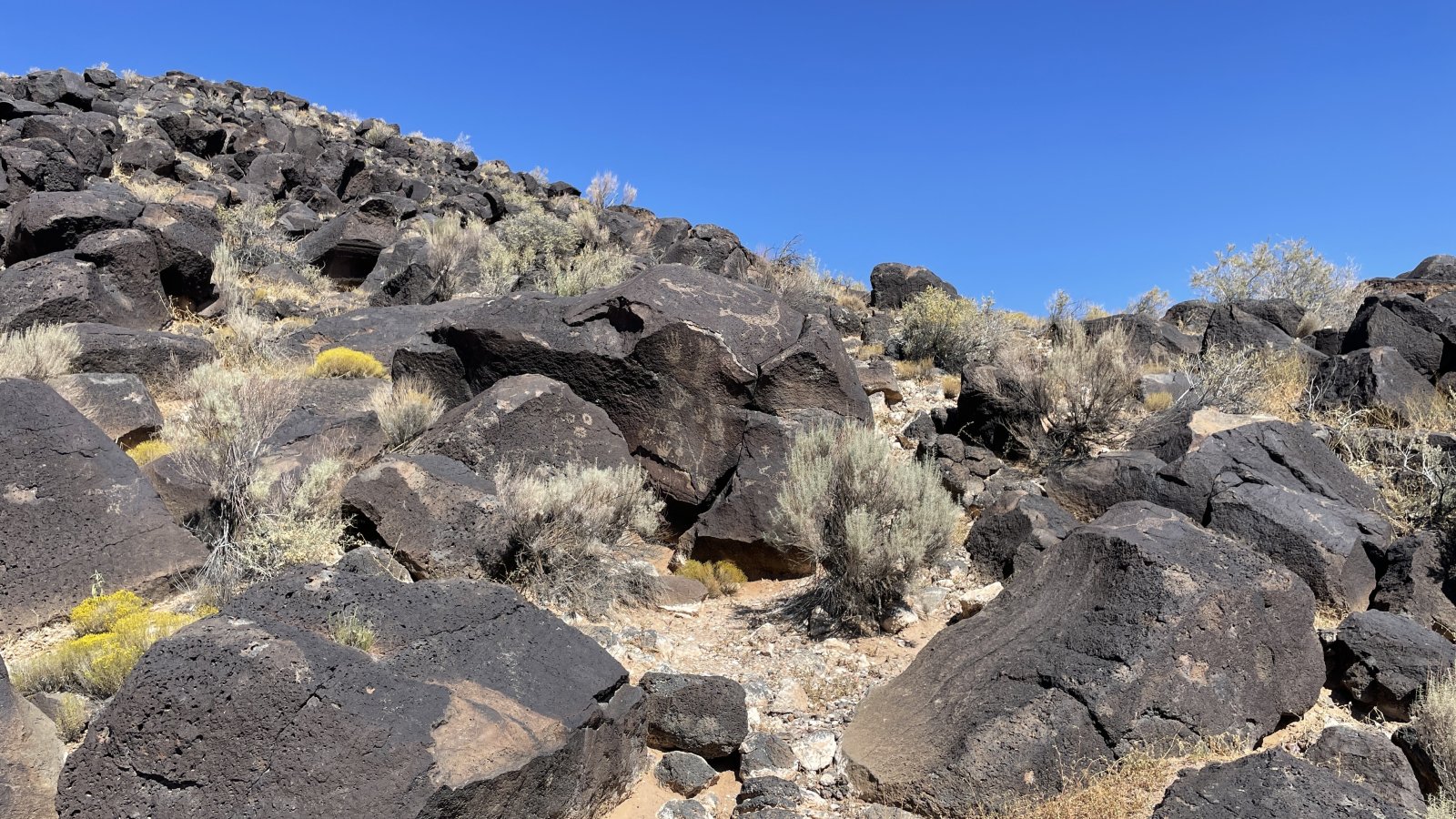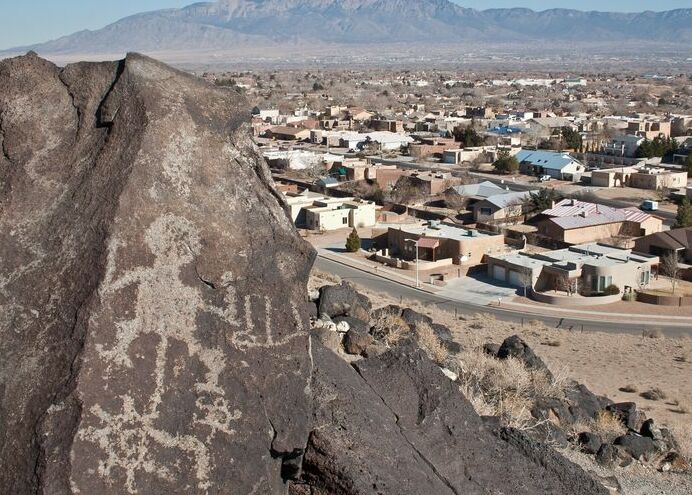

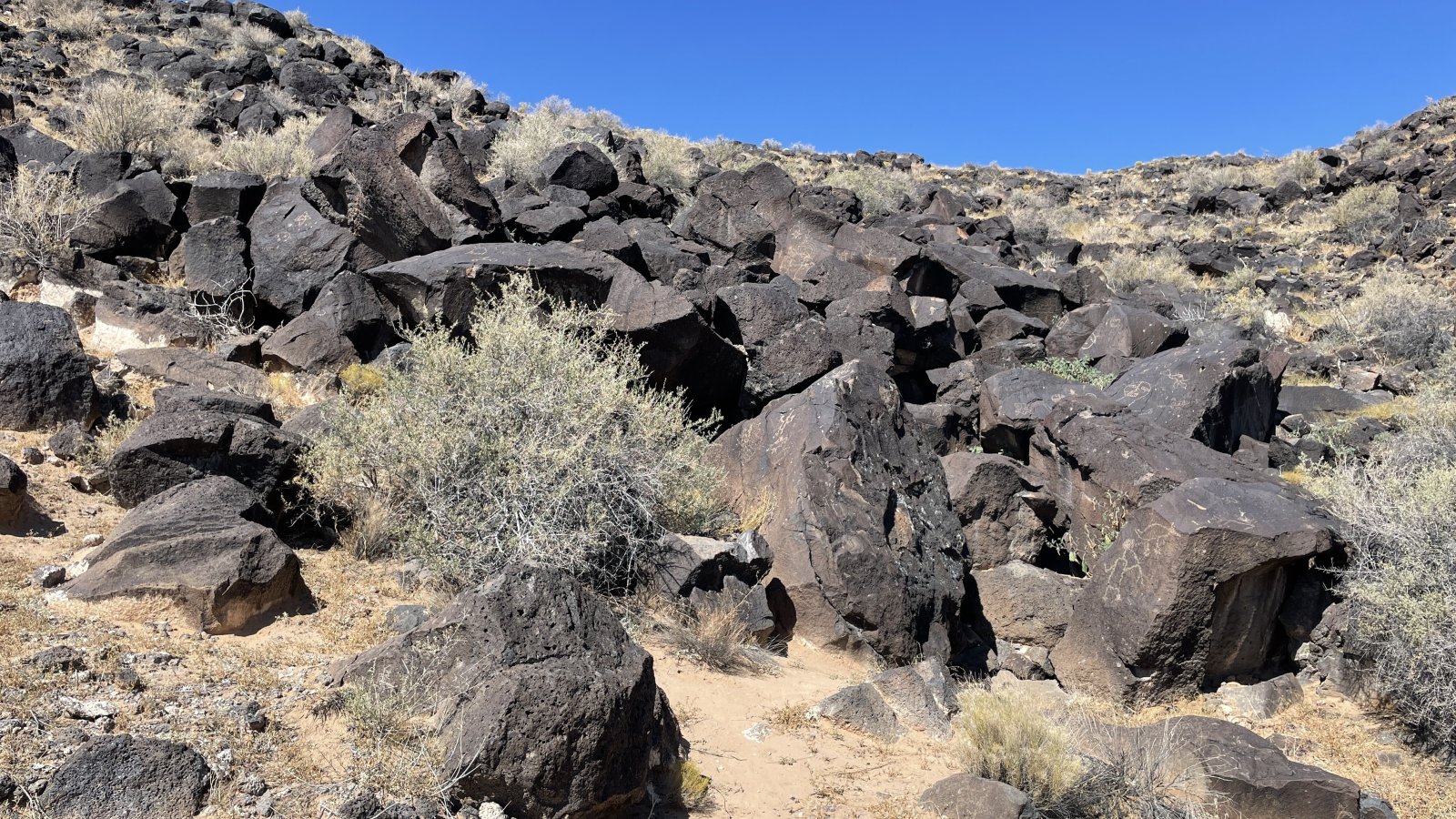
Petroglyph National Monument is a hidden gem nestled in the heart of Albuquerque, New Mexico, offering visitors a remarkable glimpse into the ancient past. With over 24,000 petroglyphs etched into the black basalt rock from the remnants of extinct volcanoes, this area boasts the largest accessible collection of rock art in North America. These carvings, created by Native Americans and later by Spanish settlers, span a period of 400 to 700 years, reflecting the spiritual beliefs, daily lives, and cultural narratives of the region’s inhabitants.
### History and Origins The history of Petroglyph National Monument is as rich as the rock art that adorns it. The petroglyphs date back to the Ancestral Puebloans, who first inhabited the area around AD 400. Their descendants, including the Pueblo tribes, continued to use the site for ceremonial purposes long after the Spanish arrived in the 16th century. The monument itself was established in 1990 to protect these invaluable cultural resources from urban development, making it a vital site for understanding the intersection of Native American and colonial histories.
### Art and Architecture The artistic significance of the petroglyphs cannot be overstated. Each carving tells a story, ranging from hunting scenes to symbolic representations of animals, celestial bodies, and human figures. The techniques used to create these images involve pecking and grinding the volcanic rock, showcasing the skill and artistry of their creators. Notable artworks include the “Sun Symbol”, which is believed to have astronomical significance, and the intricate designs that illustrate the deep connection between the people and the landscape.
### Local Culture and Traditions The cultural tapestry of Albuquerque is woven with the threads of Native American heritage and Spanish colonial influence. Local customs are reflected in the annual Gathering of Nations, one of the largest powwow celebrations in the United States, where thousands come together to celebrate Indigenous culture through dance, music, and art. Additionally, the rich traditions of the Pueblo tribes are visible in local crafts, ceremonies, and the preservation of ancient languages, making Albuquerque a vibrant center for cultural expression.
### Gastronomy Visitors to Petroglyph National Monument can also savor the unique flavors of New Mexican cuisine. Dishes such as green chili stew, made with locally grown Hatch green chiles, and posole, a traditional hominy soup, are staples here. The influence of both Native American and Spanish culinary traditions has birthed a diverse food scene. Don't miss the chance to enjoy sopapillas, a sweet pastry often served with honey, which perfectly encapsulates the region’s blend of flavors.
### Lesser-Known Curiosities While many travelers flock to the petroglyphs, few may know that the area is also home to a thriving ecosystem. The West Mesa, where the monument is located, provides a habitat for various wildlife, including coyotes and roadrunners. Additionally, the park features evidence of ancient irrigation systems used by early inhabitants, showcasing their ingenuity in adapting to the arid landscape. For those willing to explore, guided night hikes offer a unique perspective on the petroglyphs, allowing visitors to see them illuminated by the moonlight, an experience often overlooked.
### Practical Visitor Information The best time to visit Petroglyph National Monument is during the spring and fall when temperatures are mild and the desert blooms with color. Visitors can hike the trails that lead up to the volcanoes, such as the Boca Negra Canyon and Rinconada Canyon, where the densest concentrations of petroglyphs can be found. It's essential to pack water and wear comfortable shoes, as the trails can be rugged. Don’t forget to look for the interpretive signs along the paths, which provide insights into the history and significance of the petroglyphs.
In conclusion, Petroglyph National Monument is not just a site of ancient art but a portal into the rich history and cultural heritage of the Southwest. With its breathtaking landscapes, fascinating stories, and vibrant local culture, it invites travelers to explore and connect with the past in a meaningful way. For a personalized itinerary that captures all the wonders of Albuquerque, consider using the Secret World app.