
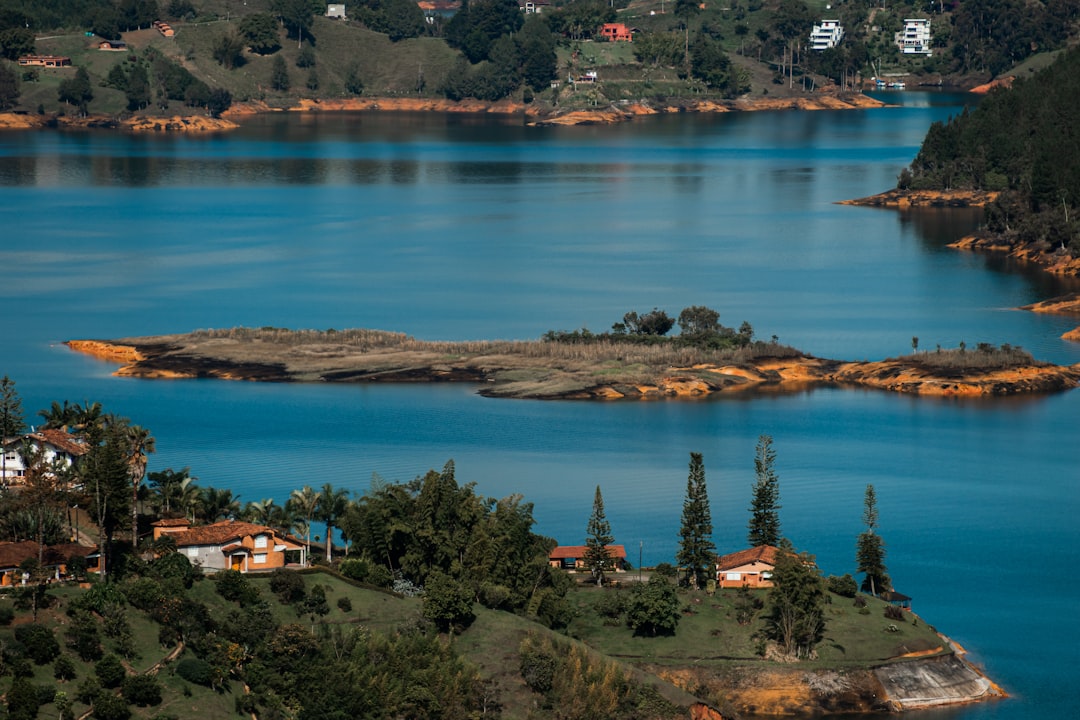

When the wooden boat glides over the still waters of Phewa Lake at dawn, the reflection of the snow-capped peaks of Annapurna appears so clear that it seems like a second inverted sky. We are in Pokhara, a city in the heart of western Nepal, and this freshwater mirror is the second largest lake in the country, with an area of about 4.43 square kilometers and a maximum depth reaching 24 meters. This is not an abstract figure: it is physically felt when one rows away from the shore and the city disappears behind a curtain of green hills.
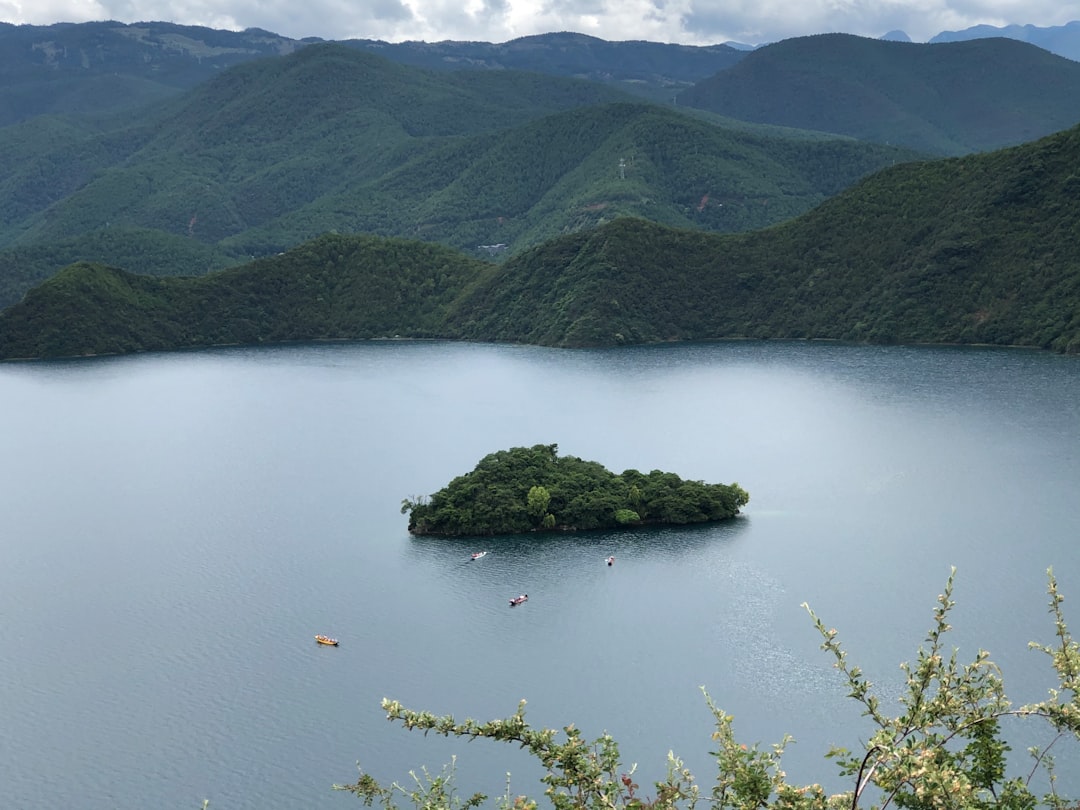
The lake is located at about 800 meters above sea level, in the Pokhara valley, and its privileged geographical position makes it one of the few places in the world where it is possible to observe, under clear sky conditions, a Himalayan range — including Machhapuchhre, the fish-tail shaped mountain sacred to Hindus and still untouched — reflected directly on the waters of a navigable lake. This visual combination is concrete, not rhetorical, and those who arrive in the morning with a bit of meteorological luck experience it immediately.
The temple on the island and daily devotion

In the center of the lake rises a small island on which the Tal Barahi Temple is built, a two-story Hindu temple dedicated to the goddess Barahi, a manifestation of the deity Durga. The temple can only be reached by boat — rowboats can be rented along the lakeside for modest amounts, generally around 500-700 Nepalese rupees per hour — and it represents one of the most frequented places of worship in Pokhara. Every day, especially on weekends, families of local devotees cross the lake bringing offerings of flowers, rice, and incense. The atmosphere is not that of a tourist site: it is a place of living religious practice, where tourists are welcome but must remove their shoes before entering the temple area.
The island is small — it can be walked around in a few minutes — but its position in the center of the lake makes it visually powerful. Looking north from the island's shore, with the mountains in the background, one understands why this place was chosen to build a sanctuary.

The lakeside walk and the Lakeside neighborhood
The eastern shore of the lake is lined with a long lakeside known as Lakeside, or Baidam, which extends for about two kilometers. It is the tourist heart of Pokhara: a sequence of cafes, restaurants, trekking gear shops, bookstores, and guesthouses that overlook the water. The walk is flat, comfortable, and accessible in every season. In the evening, the lights from the venues reflect on the lake along with the stars, creating a tranquil atmosphere away from the hectic pace of Kathmandu.

It is worth getting up early — between 6 and 7 in the morning — to take a boat before the surface of the lake is rippled by the wind and daily activities. The light of dawn is what allows for the sharpest reflections of Annapurna, and the lakeside is still almost deserted. During the central hours of the day, especially in high season (October-November and March-April), Lakeside becomes significantly lively and rental boats multiply.
How to get there and when to visit

Pokhara is connected to Kathmandu by domestic flights of about 25-30 minutes operated by various Nepali airlines, or by a bus journey that typically takes between 6 and 8 hours along the Prithvi Highway. Pokhara Airport is located a few kilometers from the lake, reachable by taxi in about 15 minutes. Once in Lakeside, the lake is accessible on foot from any point in the neighborhood.
The best season to visit Phewa Lake is autumn, between October and November, when the sky after the monsoon is clear and the chances of seeing the mountains reflected in the water are higher. The spring season (March-April) is the second valid option. During the monsoon, from June to August, the rains are frequent and intense, visibility on the peaks is almost nil, and the lake level can rise significantly. It is not a period to be excluded for those who love lush landscapes and tranquility, but it is not recommended for those who come mainly to see Annapurna reflected in the water.
A detail that remains
Among all the memories taken away from Pokhara, the most persistent one is not a photograph: it is the sound of the oars entering the still morning water, the silence around, and that white line of snow floating upside down beneath the hull of the boat. Phewa Lake does not require great efforts or long journeys — it is there, at the shore, available from the very first day — and it is precisely this immediacy that makes it so hard to forget.


