
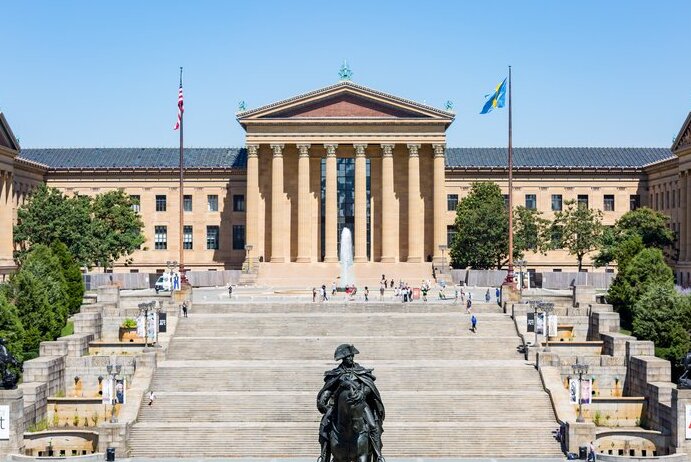

Perched majestically at the end of the Benjamin Franklin Parkway, the Philadelphia Museum of Art is not just a repository of extraordinary art; it’s a symbol of the city itself. This neoclassical masterpiece has witnessed the evolution of art and culture in the United States since its founding in 1876, coinciding with the Centennial Exposition, the first official World's Fair in the country. Designed by architect Horace Trumbauer, the museum’s grand façade and sweeping steps have become iconic, famously featured in the climactic running scene of the 1976 film Rocky, where the titular character triumphantly races to the top, embodying the resilient spirit of the city.
The museum's history is intertwined with Philadelphia’s rich cultural narrative. Initially established to showcase American art, it quickly evolved into a diverse collection reflecting global artistic movements. The museum’s first major expansion occurred in 1928, when it added a new wing designed by Paul Philippe Cret, further enhancing its architectural grandeur. The museum’s evolution continued through the 20th century, culminating in the addition of the Perelman Building in 2007, which provides a modern space for contemporary art and education.
Walking through the grand halls of the museum, visitors encounter an impressive collection of over half a million artworks, spanning 2,000 years of history. The museum is particularly renowned for its European paintings, featuring masterpieces from the likes of Vincent van Gogh, whose "Sunflowers" radiates vibrancy, and Claude Monet, whose "Water Lilies" captures the ethereal quality of nature. The museum’s American art collection is equally significant, showcasing works from Georgia O'Keeffe and Edward Hopper, which reflect the complexities of the American experience.
The architectural style of the museum is a defining characteristic of its identity. The neoclassical elements, including the grand columns and portico, evoke a sense of timelessness. Visitors are often drawn to the Great Stair Hall, where the colossal “The Rocky Steps” not only serve as a physical ascent but symbolize the pursuit of greatness, much like the city of Philadelphia itself. The museum's design harmoniously integrates the natural landscape, with stunning views of Fairmount Park and the Schuylkill River framing the artistic treasures within.
Local culture and traditions infuse the museum with a vibrant atmosphere. Philadelphia is known for its rich history, evident in the annual Philadelphia Museum of Art Craft Show, which celebrates contemporary crafts and showcases the work of artisans from across the country. The city’s diverse festivals, such as the Philadelphia Flower Show, also reflect the region's love for arts and culture, blending nature with creativity.
Gastronomy in Philadelphia is equally compelling, with local foods that tell the story of the city’s heritage. A visit to the museum wouldn’t be complete without indulging in a classic Philly cheesesteak, a savory sandwich filled with thinly sliced beef and melted cheese, typically served in a hoagie roll. For a sweet treat, the whoopie pie, a cake-like dessert filled with cream, has its roots in Pennsylvania Dutch culture and is a must-try for visitors.
Among the lesser-known curiosities of the Philadelphia Museum of Art is its hidden gem, the Rodin Museum, located just a stone's throw away. Featuring one of the largest collections of works by Auguste Rodin, this museum offers a more intimate experience of the artist’s genius, housing pieces such as "The Thinker" in a tranquil garden setting. Additionally, the museum often hosts temporary exhibitions that spotlight underappreciated artists, making each visit potentially unique.
To enhance your experience, the best time to visit the Philadelphia Museum of Art is during the weekdays, when crowds are thinner, allowing for a more contemplative exploration of the art. Early mornings or late afternoons can provide a quieter atmosphere, perfect for appreciating the intricate details of each artwork. Don’t forget to check out the museum’s Art After 5 program, which features live music and special events, making the art experience even more dynamic.
For those planning a visit, it’s wise to purchase tickets in advance and explore the museum’s website for any special exhibitions or events that might coincide with your trip. The museum's app provides helpful information about the collection and current exhibitions, ensuring you don’t miss any highlights.
As you immerse yourself in the artistic treasures of the Philadelphia Museum of Art, remember that this cultural gem is not just about the art; it’s a reflection of the city’s spirit, resilience, and creativity. To plan your personalized itinerary in Philadelphia, consider using the Secret World app for a tailored experience.


