
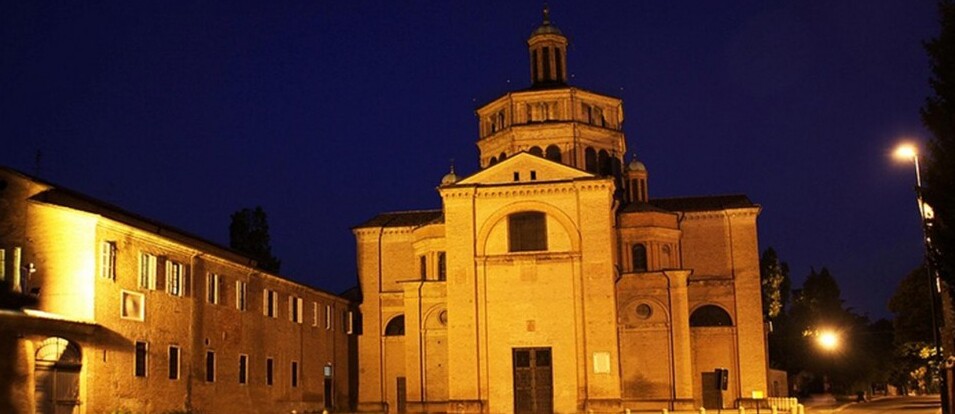

Built on the initiative of a group of citizens that was formed in the sacristy, in the early years of the പതിനാറാം നൂറ്റാണ്ടിൽ (1522 - 1528), the church stands on the area previously occupied by another building പവിത്രമായ (the സങ്കേതം of Santa Maria di Campagnola), where is venerated ഒരു മരം image of the virgin and Child ആ dated back to the FOURTEENTH century; and here, according to tradition, Pope Urban II ൽ 1095 would have announced the intention to launch the first Crusade to the Holy Land.Designer and director of the works was the architect Alessio Tramello നിന്ന് Piacenza.
The church is കേന്ദ്ര-പദ്ധതി, according to a scheme that is quite widespread in these years: it stands out for the harmony of the arrangement of the ഇടങ്ങൾ വോള്യമുകൾ സംഘടിപ്പിച്ച ഒരു അവശ്യ സന്തുലിതമായ; ഒരു ബാലൻസ് that, in some way, will be മാറ്റിയ at the end of the പതിനെട്ടാം നൂറ്റാണ്ടിൽ, when ഘടനാപരമായ interventions will ദീർഘായുസ്സും one of the arms to give shape to the ഗായകസംഘം, നിലവിലുള്ള presbytery.
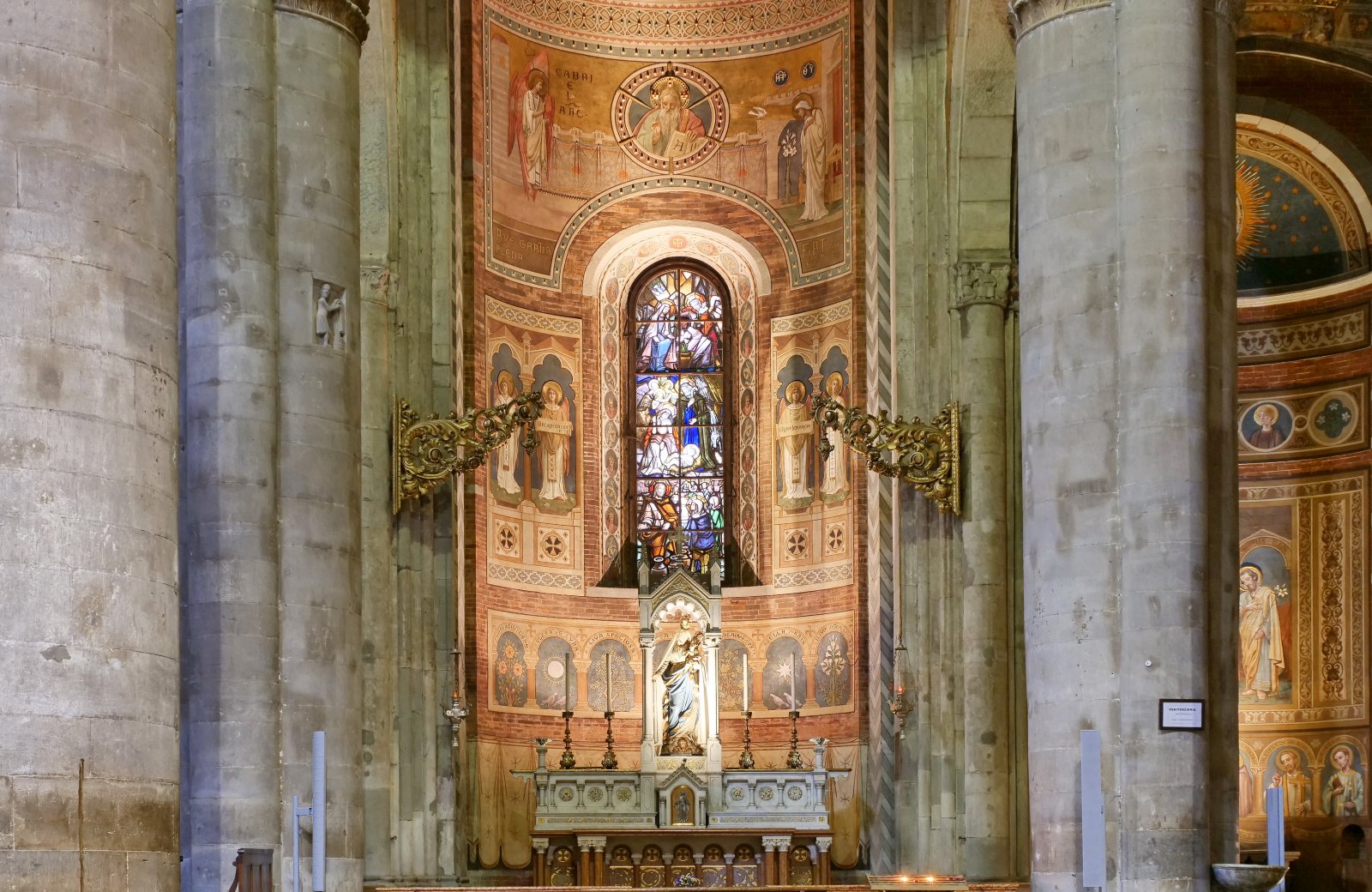
അസാധാരണമായ are the decorations and frescoes that cover the interior. Among the artists who have worked there with cycles of great works, there is അന്റോണിയോ Sacchi വിളിച്ചു il പോര്ഡെനാണ്italyprovince. kgm. അവന്റെ, on the entrance മതിൽ ആണ്. സെയിന്റ് അഗസ്റ്റിൻ and immediately after the chapel of the Three Kings തികച്ചും frescoed by the artist as well as the next Chapel of St. Catherine. മുകളിൽ എല്ലാ first ശക്തമായ complex of the dome that stands in the middle of the ഗ്രീക്ക് cross: the ലാന്റേൺ is depicted the Eternal Father supported by a glory of Angels from whom characters and stories of Christendom descend; the frescoes are the work of പോര്ഡെനാണ്italyprovince. kgm and sojaro.
ദി മാർബിൾ തറയിൽ വിവിധ നിറങ്ങൾ is the work of the milanese artist Giambattista Carrà (1595), കൂടാതെ ശ്രദ്ധേയമായ is the Statue of Ranuccio ഞാന് Farnese by ഫ്രാൻസെസ്കോയുടെ ബാസാര് (1616).


