


The earth beneath your feet is black, crumbly, still warm in the collective imagination of those who know what happened here just a few years ago. The Pico do Fogo rises to 2829 meters on the island of Fogo, in the Cape Verde archipelago, and is one of the most imposing active volcanoes in West Africa. It is not just any mountain: it is a stratovolcano that last erupted in 2014, destroying much of the village of Chã das Caldeiras that stood within the caldera. Yet the inhabitants have returned, they have rebuilt, and today that same caldera once again hosts a vibrant, stubborn community, surrounded by solidified lava flows that still seem to be in motion.
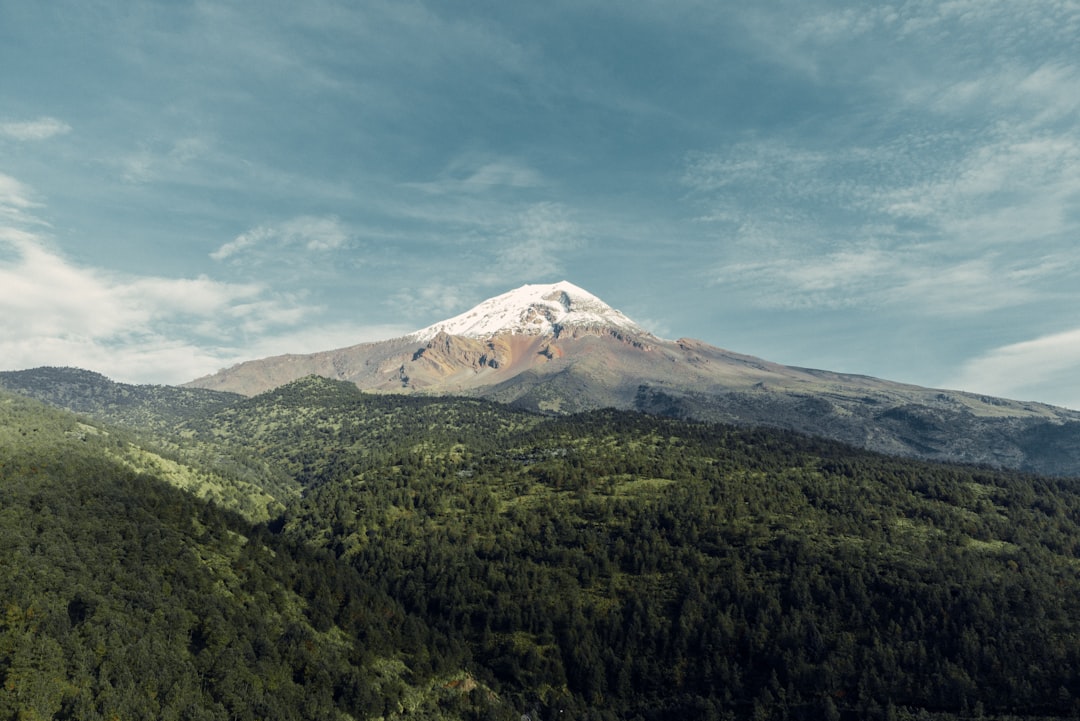
Reaching São Filipe, the main city of the island of Fogo, is already an experience: flights from Praia, the capital of Cape Verde, last about 30 minutes, and from the airport, you ascend inland through landscapes that change radically with altitude. The vegetation disappears, the colors become monochrome, and the silhouette of the volcanic cone becomes increasingly dominant. This is a place where geology is not a backdrop, but the absolute protagonist.
Inside the caldera: the village that challenges the volcano
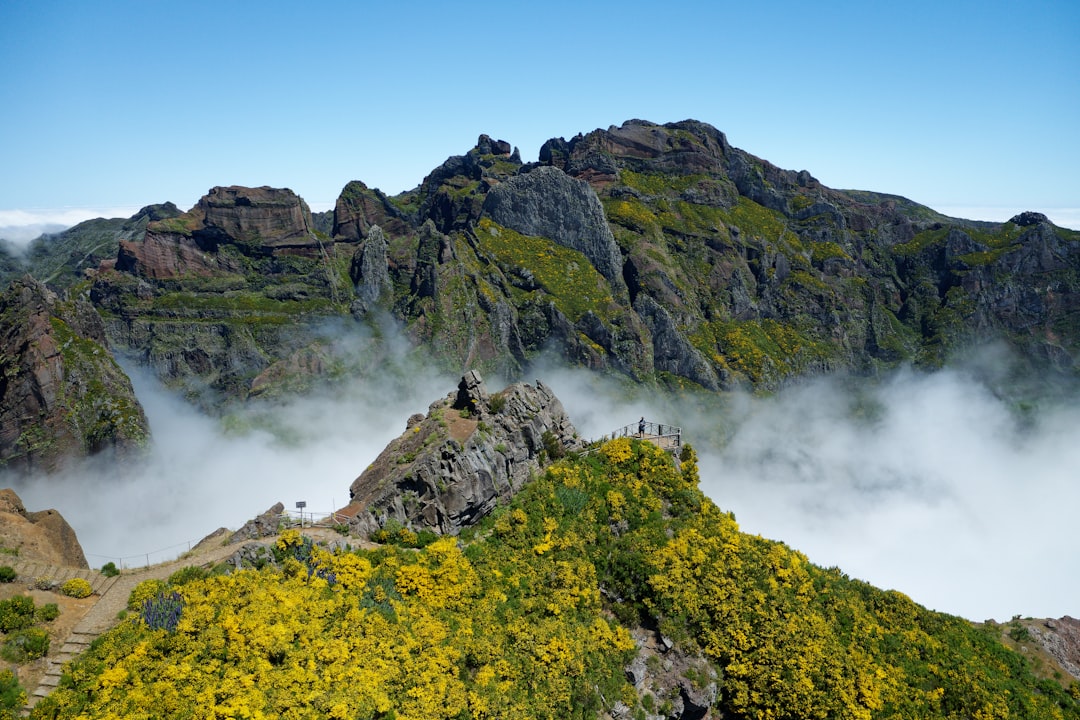
Chã das Caldeiras is the name of the community that lives inside the caldera of Pico do Fogo, at about 1700 meters above sea level. After the eruption of 2014, which lasted several months and forced the total evacuation of the inhabitants, many residents chose to return and rebuild their homes on the same lava-covered land. Walking through the streets of the village, you can still see the remains of buildings swallowed by the flows: broken walls emerging from the black rock like fossils of a previous life.
The area is also famous for the production of Manecon wine, a local wine made from grapes grown directly on the volcanic soil of the caldera. Local wineries offer informal tastings, and buying a bottle directly from the producers is one of the best ways to contribute to the local economy. The volcanic soil gives the wine unique mineral characteristics, and the experience of drinking a glass with a view of the Pico cone is hard to forget.
The ascent to the summit: what to expect from the trek
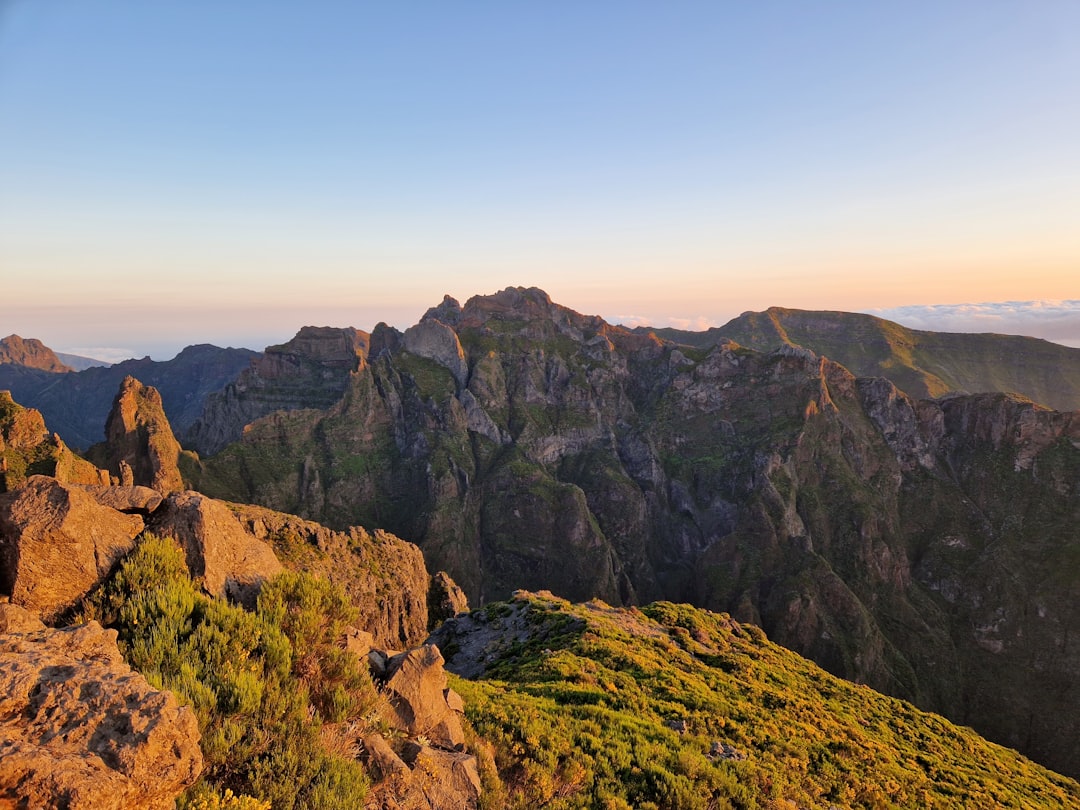
The climb to the summit crater of Pico do Fogo is physically demanding but technically accessible to those with good physical preparation. The route from the caldera to the summit covers a height difference of over 1000 meters and typically takes between 3 and 4 hours to ascend, plus the time for the descent. The terrain is almost entirely made up of volcanic ash and scoria: each step uphill slightly slips back, making progress slow and tiring.
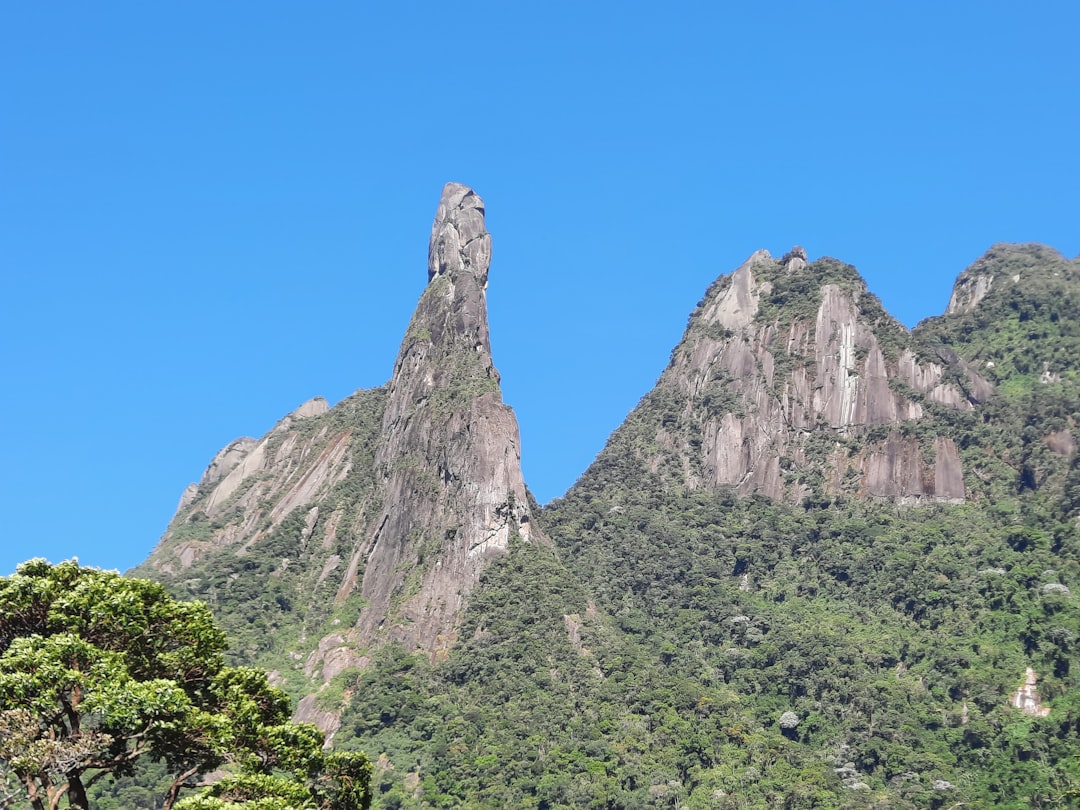
It is mandatory to climb with a local guide, both for safety reasons and to respect the rules of the Fogo National Park. Guides can be easily found in Chã das Caldeiras and the cost of the service generally ranges between 20 and 30 euros per person, although prices may vary. From the summit, on clear days, you can see the nearby islands of Brava and Santiago. The view of the caldera from above is one of those moments that justifies every tiring step of the ascent.
When to go and how to organize the visit
The best time to visit Pico do Fogo is between November and June, when rainfall is minimal and weather conditions are more stable. During the summer months, from July to September, clouds can cover the summit for entire days, making trekking less visually rewarding. Temperatures at the caldera are significantly lower than at the coast: even in summer, it is advisable to bring a warm layer, and in winter, a heavy jacket is essential.
For sleeping in the caldera, there are some guesthouses and homestays run by local residents, a choice that allows you to enjoy the sunrise over the volcano and start the ascent in the early morning hours when the sky is clearer. Departing by 6:00 or 7:00 is strongly recommended to avoid the clouds that often form around the summit during the central hours of the day. Bringing at least 2 liters of water per person, sturdy-soled hiking shoes, and sunscreen is the bare minimum to safely tackle the ascent.
The Fogo National Park and Land Conservation
The Pico do Fogo is located within the Fogo National Park, established to protect both the natural and cultural heritage of the island. The park safeguards not only the volcano but also the unique biodiversity that has developed in this extreme environment, with plant species adapted to volcanic soils and altitude. Entrance to the park requires a fee, usually included in the cost of the guide.
The coexistence between the local community and the park management institutions has not always been free of tensions, especially after the decision of the inhabitants to return to the risk area after 2014. But it is precisely this tension between the force of nature and human resilience that makes Chã das Caldeiras an authentic place, far from any park-museum logic. Here the volcano is not a spectacle: it is still, concretely, a presence to contend with every day.


