
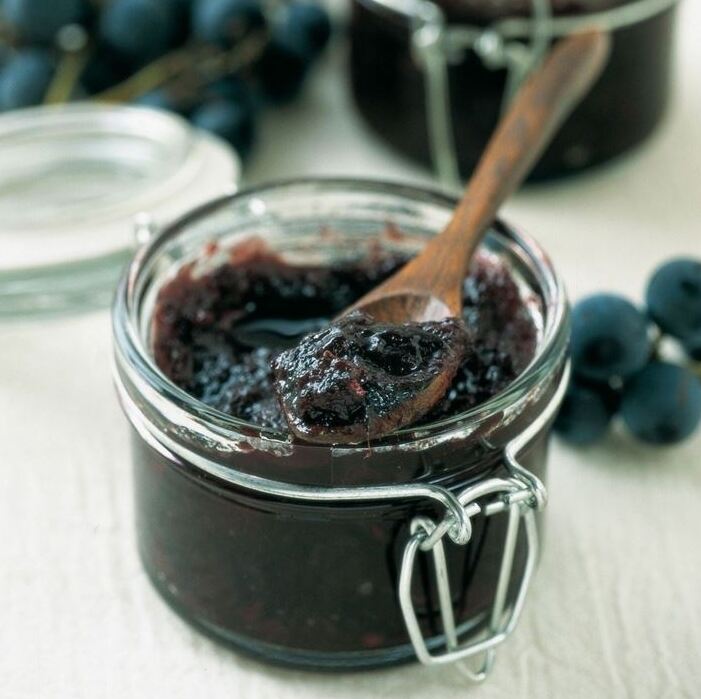

In the heart of Piedmont, Italy, a culinary gem emerges from the rich tapestry of local traditions: grape mustard, or *mostarda d'uva*. This unique condiment, a velvety blend of cooked grape must and seasonal fruits, is a testament to the ingenuity of the region's agrarian past and a symbol of its cultural heritage.
History and Origins
The roots of grape mustard stretch back to medieval times, when it was a staple in the diet of the region's peasant population. Historical records indicate that the earliest mentions of grape must being used in culinary applications date back to the 12th century. The condiment was particularly favored for its ability to preserve the flavors of the summer harvest into the colder months. The use of *mostarda* in Piedmont reflects the resourcefulness of locals, who creatively combined grape must with whatever seasonal fruits were available, including quince, figs, and pumpkins.
Two main varieties of grape mustard exist in the region: *mostarda d'uva monferrina*, predominantly found in the Monferrato area, and *Cognà*, which is cherished in Asti and Cuneo. Each variety carries its own subtle nuances and flavors, influenced by the local terroir and the specific fruits used. The phrase “Cognà was the sauce of the poor” speaks volumes about its humble origins, yet it has evolved into a cherished delicacy enjoyed by many.
Art and Architecture
While grape mustard may not immediately seem connected to art and architecture, the villages of Piedmont where it is produced are steeped in rich architectural history. The region is dotted with Baroque churches, rustic farmhouses, and vineyards that create a stunning backdrop for visitors. Notable sites include the Palazzo Comunale in Asti and the Castello di Grinzane Cavour, where the rich history of the area is encapsulated in its structures.
Artisans crafting grape mustard often employ traditional methods passed down through generations, turning what may seem like a simple condiment into a work of art. The aesthetic presentation of *mostarda* jars, often adorned with intricate labels and rustic packaging, reflects the care and pride that local producers take in their craft.
Local Culture and Traditions
Piedmontese culture is deeply intertwined with its agricultural heritage. Festivals celebrating the grape harvest, such as the Douja d'Or in Asti, showcase the region's wines and local delicacies, including grape mustard. These events not only attract tourists but also serve as a gathering point for locals to share their traditions and culinary creations.
Customs surrounding grape mustard highlight its role in family gatherings and festive occasions. Traditionally served alongside roasted meats and cheeses, *mostarda* enhances the flavors of these dishes, making it a beloved component of celebratory meals. Recipes vary from household to household, with families often keeping their methods a closely guarded secret.
Gastronomy
The gastronomic landscape of Piedmont is rich and diverse, with grape mustard playing a key role. The condiment is often paired with cotechino (a type of sausage), cheeses like Toma and Gorgonzola, and even used as a sweetener in various desserts. The combination of sweet and savory flavors makes grape mustard a versatile addition to any table.
In addition to grape mustard, Piedmont is famed for its wines, particularly Barbera, Dolcetto, and Nebbiolo. The same grape varieties used in the production of these fine wines also contribute to the creation of grape mustard, creating a harmonious link between the two culinary staples.
Lesser-Known Curiosities
One fascinating aspect of grape mustard is its connection to local folklore and tradition. In many villages, it is said that each family’s recipe for grape mustard holds a story—a memory of a past harvest or a beloved family member who perfected the craft. This adds a layer of intimacy to the condiment that many visitors may overlook.
Additionally, the use of a *molinetum lapidis pro mostarda*, a specific type of mortar found in medieval inventories, hints at the historical significance of mustard production. The techniques and tools used to create grape mustard have evolved, yet the essence of the craft remains deeply rooted in the region's history.
Practical Visitor Information
For those looking to explore the world of grape mustard, the best time to visit Piedmont is during the grape harvest season, typically from late September to early November. This is when the region comes alive with festivals, and local producers are eager to share their craft.
Visitors should seek out local markets and small artisanal shops to find authentic grape mustard. Engaging with producers not only enriches the experience but also provides insight into the traditional methods still employed today.
As you wander through the picturesque landscapes of Piedmont, don’t miss the chance to taste this unique culinary delight. The region’s blend of history, art, and gastronomy creates an unforgettable experience that resonates long after you’ve returned home.
To plan your personalized itinerary and discover more hidden treasures, consider using the Secret World app.


