
🎄 Win a month in Italy for two — €10,000 · The Secret Italy Prize GO →
Pietragalla city of the Palmenti — Pietragalla
← Back
Villages 📍 Pietragalla, Italy 755 views

Pietragalla city of the Palmenti

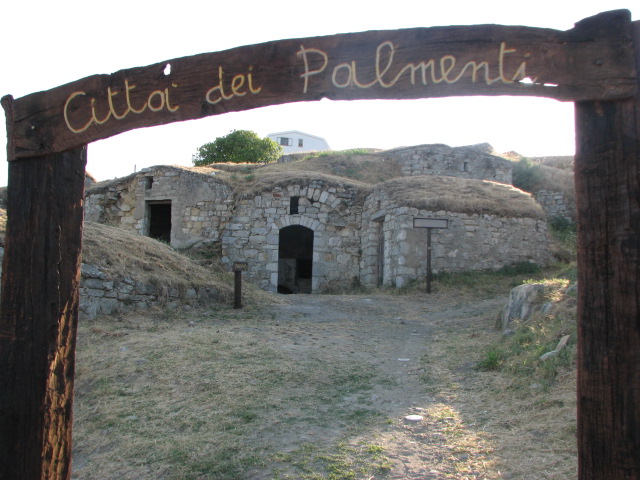
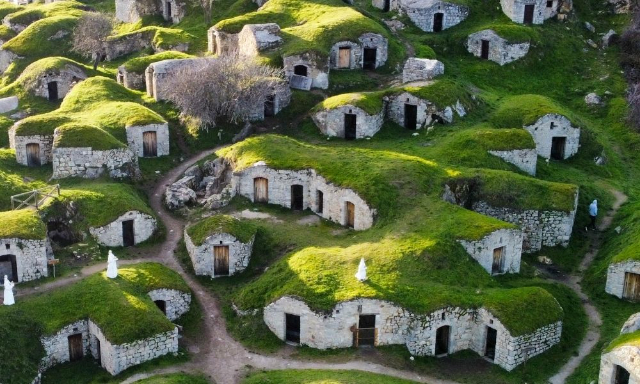
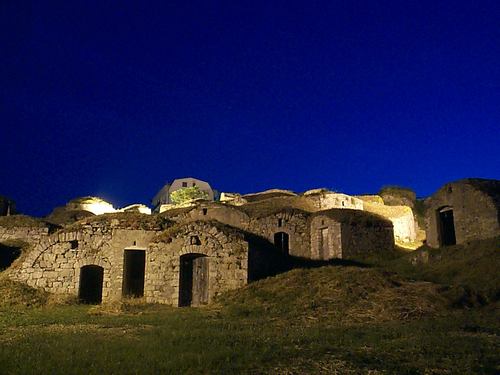
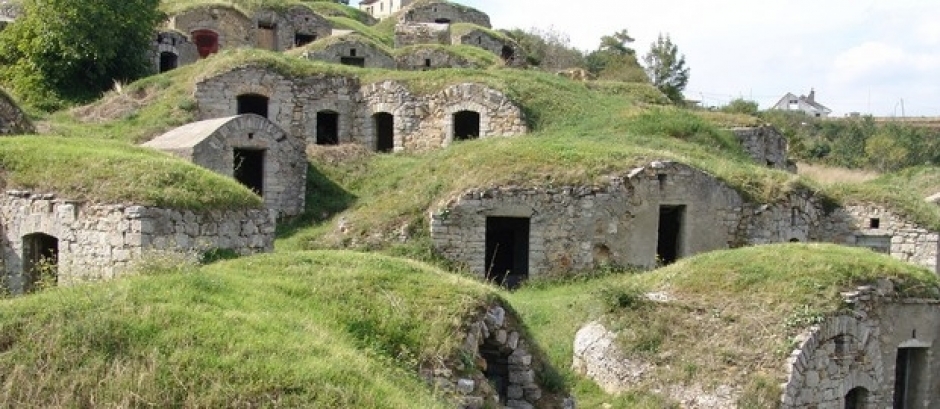
The first impression is that of being in front of rural dwellings of the past. Nothing of the sort. The Palmenti are a complex of "caves" that, according to recent studies conducted and published by fellow citizen Prof. Vincenzo D'Angelo, originated in the first half of the 19th...

Photo · Ronda C.

Pietragalla city of the Palmenti — Pietragalla, Italy.

Location
Pietragalla
Type
Villages
Opening hours
Weather now
23°C
↗ Directions

About Pietragalla city of the Palmenti

Pietragalla city of the Palmenti - Pietragalla | Secret World Trip Planner

The first impression is that of being in front of rural dwellings of the past. Nothing of the sort. The Palmenti are a complex of "caves" that, according to recent studies conducted and published by fellow citizen Prof. Vincenzo D'Angelo, originated in the first half of the 19th century. As for the etymon, there are several hypotheses from which the term is derived: some scholars argue that it derives from the Vulgar Latin paumentum, for the classical pavimentum, indicating the floor of the room where grapes were pressed or ground; others from pavire (beat), thus the act of beating, pressing or from palmes, vine shoot. Me others still claim that the term comes from palamentum, the name for a paddle mill and its mechanism. That the lemma palménto has a southern Italian origin and usage is amply demonstrated by the finding of various dialect vocabularies. The palmento is an artifact that represents a singular achievement of rural architecture, the result of the Pietragallese vine-dressers, unique in Basilicata and perhaps in Europe in the way they are grouped. An enchanting landscape approach originated from an aggregation of the artifacts perfectly in harmony with the territorial context. Here took place, until the late 1960s, the crushing of the grapes and the fermentation of the must. Even today, some families (although in small numbers) still make wine in the palmenti, having taken care to safeguard, over time, the structure and the tanks dug in the tuff, keeping alive the history, culture and memory of the peasant civilization. The palmenti are the result of the elementary principle of construction economy, thanks to the use of the materials present within the narrow limits of the surrounding environment The interior of the palmento has two or four differentiated tanks (where there are four tanks two were used for red wine and two for white). Grapes harvested from the surrounding vineyards and transported by donkeys in chariots were poured into the smaller, higher vat and pressed barefoot. The must, through a hole, fell into the tank below where the grape bunches were also collected. Above the opening for access to the palmento, a slit allowed the release of the carbon dioxide, lethal to humans, which was generated after the act of crushing, in the course of fermentation. After fifteen to twenty days of fermentation, the wine - tapped and placed in 35-liter barrels - was deposited in the handcrafted wooden barrels arranged in the equally characteristic caves (Rutt) of the historic center, most of them located in Mancosa Street, an area having a northern exposure.
Pietragalla city of the Palmenti - Pietragalla | Secret World Trip Planner
✦ Secret World · suggested day

A perfect day in Pietragalla

Start with Pietragalla city of the Palmenti, then continue with nearby places selected by Secret World.

  1. 01
    Morning
    Pietragalla city of the Palmenti
    📍 Pietragalla
    Start here
  2. 02
    Afternoon
    📍 7.3 km away
  3. 03
    Evening
    📍 7.4 km away

Collect this place

Turn places you discover into stamps in your Secret Passport.

Open Secret Passport →

Keep exploring · Pietragalla

Frequently Asked Questions

The Palmenti are a complex of cave-like structures carved into tuff that were built in the first half of the 19th century by local vine-dressers in Pietragalla, Basilicata. They represent a unique and singular achievement of rural architecture found nowhere else in the region, designed specifically for grape crushing and wine fermentation.
The term 'palmento' has several possible etymological origins: it may derive from Vulgar Latin 'paumentum' (floor where grapes were pressed), from 'pavire' (to beat or press), from 'palmes' (vine shoot), or from 'palamentum' (a paddle mill). The word has clearly southern Italian origins and is documented in various regional dialect vocabularies.
The Palmenti were built using the principle of construction economy, utilizing only materials available in the immediate surrounding environment. Each palmento contains two or four differentiated tanks dug directly into the tuff stone, with larger tanks for fermentation and smaller, higher tanks where harvested grapes were initially poured before processing.
Although wine production in the Palmenti ceased as a widespread practice in the late 1960s, some local families still continue to make wine using these traditional structures. These dedicated families have carefully preserved the original stone tanks and tuff construction, keeping alive the agricultural heritage and peasant culture of Pietragalla.
The Palmenti of Pietragalla are unique in Basilicata and possibly throughout Europe due to their distinctive aggregation and harmonious integration with the landscape. This remarkable ensemble of connected cave-like structures carved into the terrain represents a singular achievement in rural architecture and wine production that is unparalleled in the way they are grouped together.

Experiences nearby · Pietragalla

Powered by Viator

See more on Viator.com

Secret World Hidden places, real stories — plan your trip
Get the app