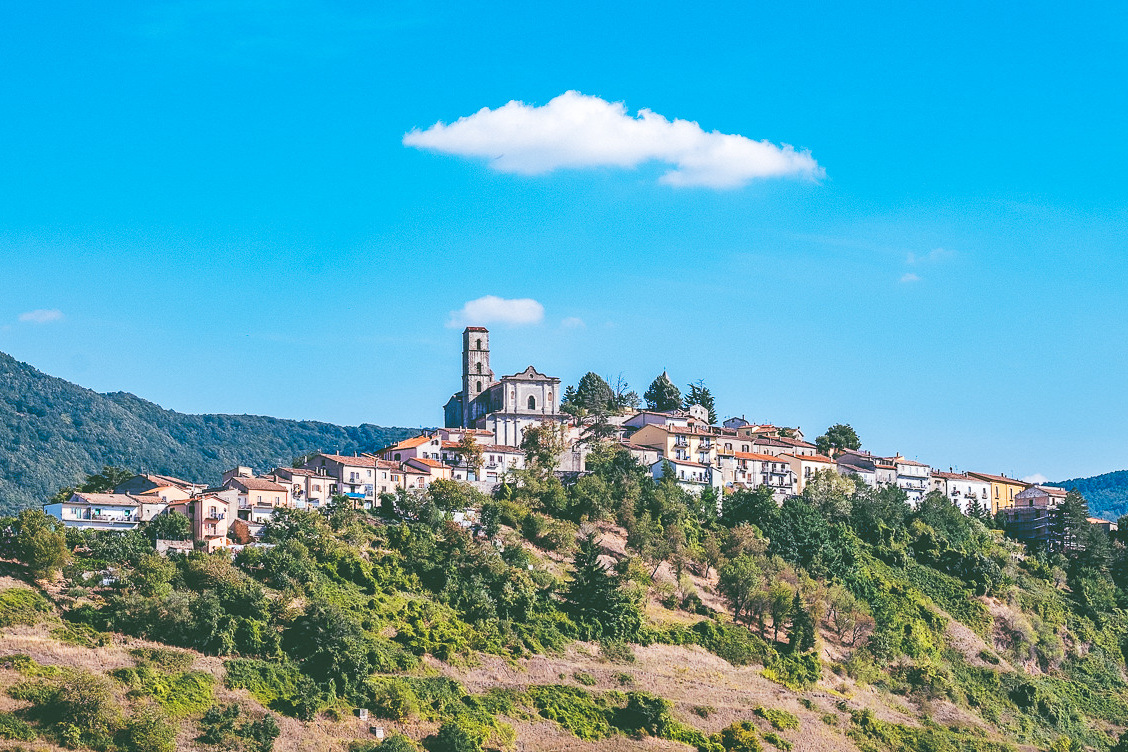


Nestled in the heart of Basilicata, Pignola is a hidden gem often overshadowed by more famous Italian destinations. Known as the City of a Hundred Portals, this charming town is celebrated for its stunning architecture and rich history, with over two hundred unique portals dotting its hillside streets. Each portal, a testament to the craftsmanship of local artisans, invites visitors to explore its unique stories and artistic significance.
### History and Origins Pignola has roots that stretch back to ancient times, with evidence of settlements that date back to the Bronze Age. Originally founded by the Lucanians, the town underwent significant transformations under Roman influence, serving as a strategic point due to its elevated position. The medieval period saw the construction of defensive structures, including the Castello di Pignola, remnants of which still stand today. Throughout the centuries, Pignola has witnessed the ebb and flow of various cultures, each leaving an indelible mark on its heritage.
One key historical event was the earthquake of 1980, which devastated much of the region. However, Pignola's resilient spirit shone through as the community came together to restore its architectural treasures, reinforcing the town's identity.
### Art and Architecture Pignola is a veritable architectural museum, where every corner showcases its unique portals. Crafted by skilled local artisans, these portals range from the simple and elegant to the extravagantly ornate, each telling a story of craftsmanship and passion. The most striking examples can be found on streets like Via Roma and Via Garibaldi, where intricate bas-reliefs depict scenes from local folklore and history.
The town's architecture is a blend of Romanesque and Gothic styles, reflecting the various influences that have shaped its development. The Chiesa di San Rocco, with its stunning frescoes and baroque altar, is a highlight for art enthusiasts. The church's serene atmosphere offers a stark contrast to the vibrant life outside, where locals engage in daily activities amidst the portals.
### Local Culture and Traditions Pignola's culture is deeply intertwined with its festivals and customs. The Feast of San Rocco, celebrated in mid-August, is one of the town's most important events. Locals participate in a colorful procession, showcasing traditional costumes and music, culminating in a grand fireworks display that illuminates the night sky.
Additionally, the town's craftsmanship extends beyond portals; local artisans produce handmade ceramics and woven textiles, reflecting the region's rich artistic tradition. Visitors may even catch workshops in action, where they can learn about the techniques passed down through generations.
### Gastronomy The culinary scene in Pignola is a delightful exploration of Basilicata's rich gastronomy. Signature dishes include Pasta alla Potentina, a hearty pasta served with a rich meat sauce, and Pignola's bread, known for its unique flavor derived from locally sourced grains. Caciocavallo, a traditional cheese, is often paired with local cured meats, creating a savory experience that delights the palate.
For dessert, don’t miss out on Pignola’s dolci, particularly the Bocconotti, a pastry filled with sweet jam or chocolate. Pair these treats with a glass of Aglianico, the region's famed red wine, to complete your culinary journey.
### Lesser-Known Curiosities Beyond its portals, Pignola holds secrets that many tourists overlook. One fascinating tidbit is the “Porta del Sole”, a portal that is said to bring good fortune to those who pass through it at sunrise. The town also boasts a rich folklore, with tales of mythical creatures that once roamed the surrounding hills, adding a mystical layer to its history.
Another hidden gem is the Casa delle Tradizioni, a small museum dedicated to preserving local customs and artifacts. Here, visitors can delve deeper into the town's past and understand the significance of its traditions.
### Practical Visitor Information The best time to visit Pignola is during the spring and early autumn months, when the weather is mild, and the countryside is in full bloom. Be sure to wear comfortable shoes, as exploring the winding streets can be a delightful adventure.
Look out for the annual artisan fair, typically held in late September, where local craftsmen showcase their work, providing a unique opportunity to purchase authentic souvenirs.
For those eager to dive deep into Pignola’s charm, consider planning your visit through the Secret World app for a personalized itinerary.
In conclusion, Pignola is a captivating destination that seamlessly blends history, art, and culture, offering an unforgettable experience for any traveler. Whether you're wandering through its enchanting portals or savoring its culinary delights, this hidden gem in Basilicata promises a journey of discovery and wonder.
