
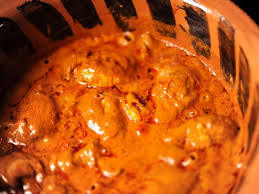

Nestled in the heart of Jalisco, a region renowned for its vibrant cultural heritage and tantalizing cuisine, the dish known as Pipián stands as a testament to Mexico's rich culinary tapestry. This iconic sauce is a symphony of flavors, marrying the earthy tones of peanuts, squash, and sesame seeds into a blend that is both comforting and exotic.
The origins of Pipián can be traced back to pre-Columbian times, a period when the native peoples of Mexico, including the Aztecs and the Nahuas, were cultivating the land and developing recipes that would endure through the centuries. These early civilizations cherished the ingredients that make up Pipián, utilizing them in various aspects of daily life. Peanuts and squash, both indigenous to the region, were staples in their diet, while sesame seeds were introduced later, likely through trade with other cultures. Over time, these ingredients melded together to create a sauce that has become a celebrated part of Jalisco's culinary heritage.
In the realm of art and architecture, Jalisco is a treasure trove of colonial-era structures and vibrant murals that narrate the region's history and culture. While Pipián itself is not directly tied to the architectural landscape, the dish is often enjoyed in settings adorned with the intricate tilework and ornate designs typical of Mexican colonial architecture. Notable artworks in Jalisco often depict the daily life and traditions of its people, with food playing a central role. The murals of José Clemente Orozco, one of Mexico's most prominent muralists, can be seen in Guadalajara, Jalisco's capital, offering a profound reflection on Mexican identity and history.
Culturally, Jalisco is a hub of tradition and festivity. The region is the birthplace of mariachi music and the famous Charreada, a Mexican rodeo that is both a sport and a cultural performance. Festivals such as the Feria Internacional del Mariachi celebrate these traditions with vibrant parades, music, and dance. Pipián, like other traditional dishes, is often served during such festivals, symbolizing hospitality and celebration.
Turning to gastronomy, Jalisco offers a cornucopia of flavors beyond Pipián. Visitors can savor Birria, a spicy stew typically made with goat or lamb, or indulge in Tortas Ahogadas, sandwiches drowned in a spicy tomato-based sauce. The region is also famous for its Tequila, made from the blue agave plants that flourish in the semi-arid climate. Sampling these dishes alongside Pipián provides a comprehensive experience of Jalisco’s culinary delights.
For those seeking lesser-known curiosities, Pipián offers a few delightful surprises. While traditionally made with peanuts, squash, and sesame seeds, variations of the sauce can include almonds or pumpkin seeds, each imparting a unique flavor profile. In some localities, it is customary to add a hint of chocolate or chili, adding depth and complexity to the dish. This adaptability is a testament to the creativity and resourcefulness of Jalisco's cooks, who continually reinvent traditional recipes to suit modern palates.
For travelers planning a visit to Jalisco, timing is key. The region enjoys a temperate climate year-round, but the best time to visit is during the dry season from November to April, when the weather is mild and outdoor festivals are in full swing. When exploring Jalisco, it's essential to venture beyond the well-trodden paths. Visit the colorful local markets, where vendors proudly display an array of spices and ingredients that make up dishes like Pipián. Engage with local chefs and ask about their unique twists on traditional recipes; their stories and insights often reveal the heart and soul of Jalisco's culinary culture.
In summary, Pipián is more than just a sauce; it is a culinary icon woven into the rich cultural fabric of Jalisco. From its ancient roots to its role in modern celebrations, Pipián invites travelers to explore the flavors and traditions of a region that continues to captivate and inspire. So, whether you're a history buff, an art enthusiast, or a food lover, Jalisco offers a feast for the senses that is as diverse as it is delightful.


