


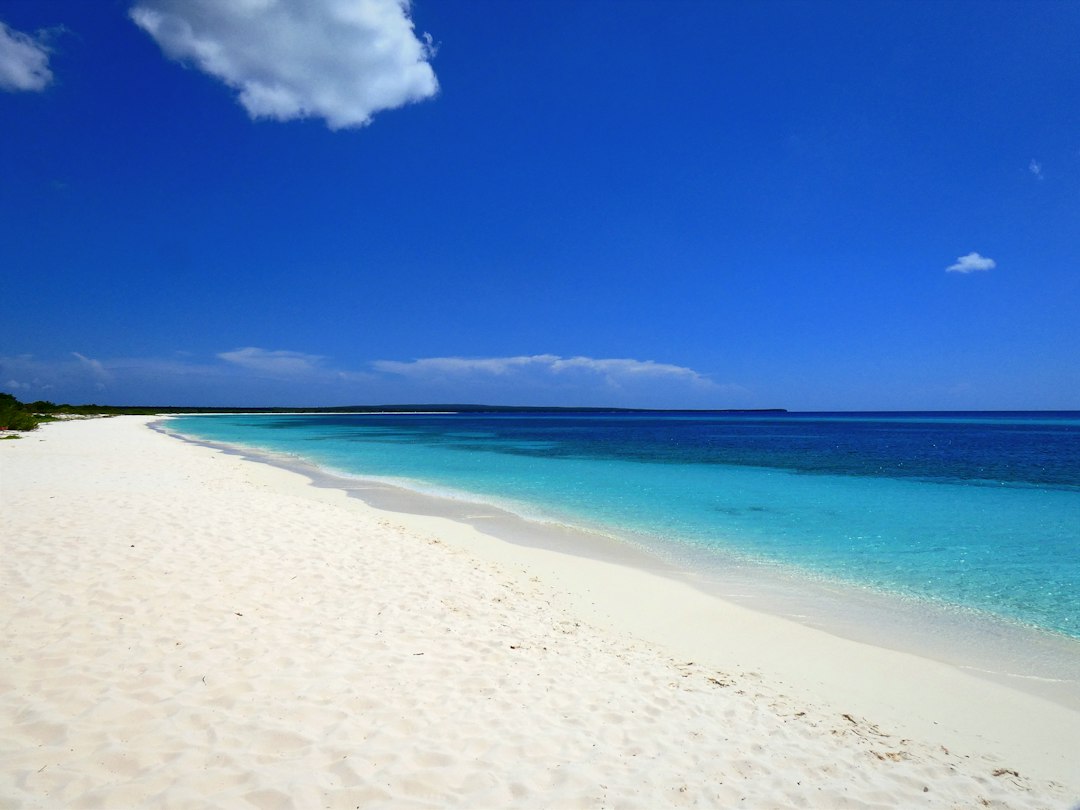
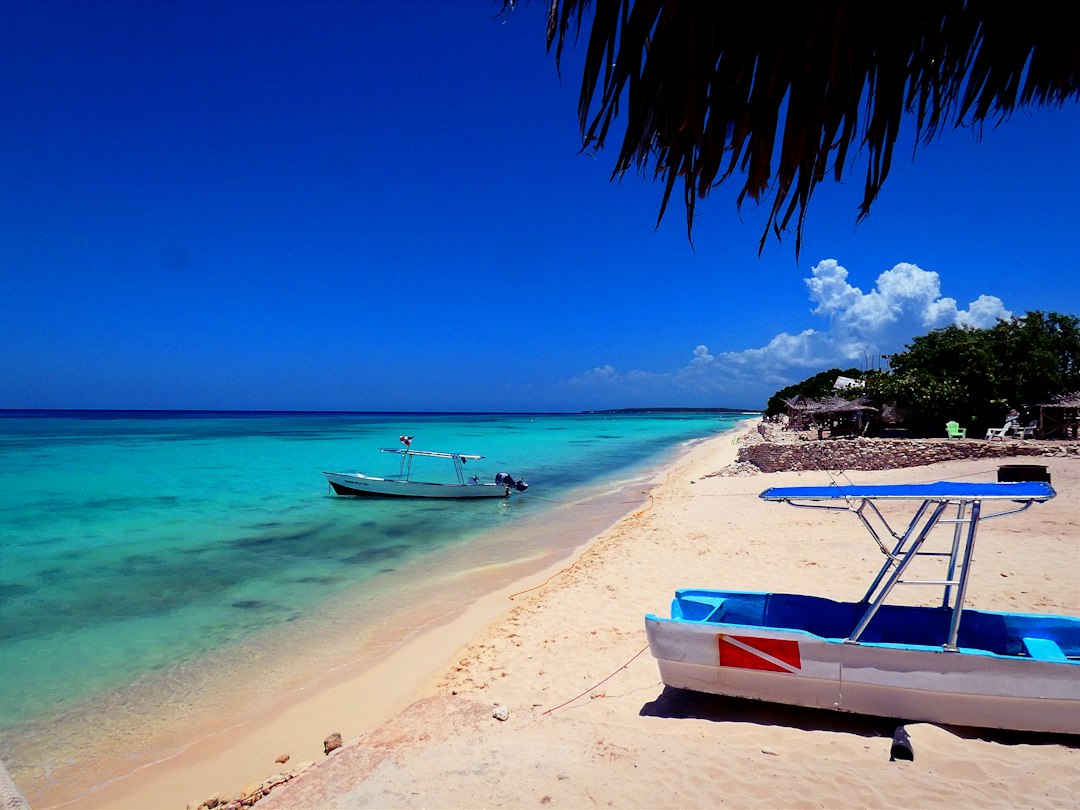
The sand is so fine and so bright that it dazzles even in the early morning light. At Playa Blanca, on the island of Barú in the Bolívar department, the white of the seabed reflects upwards through the shallow water, tinting the sea a deep turquoise near the shore and cobalt blue where the depth increases. It is not a photographic effect: it is the reality of one of the few Colombian Caribbean beaches still free of significant building development.
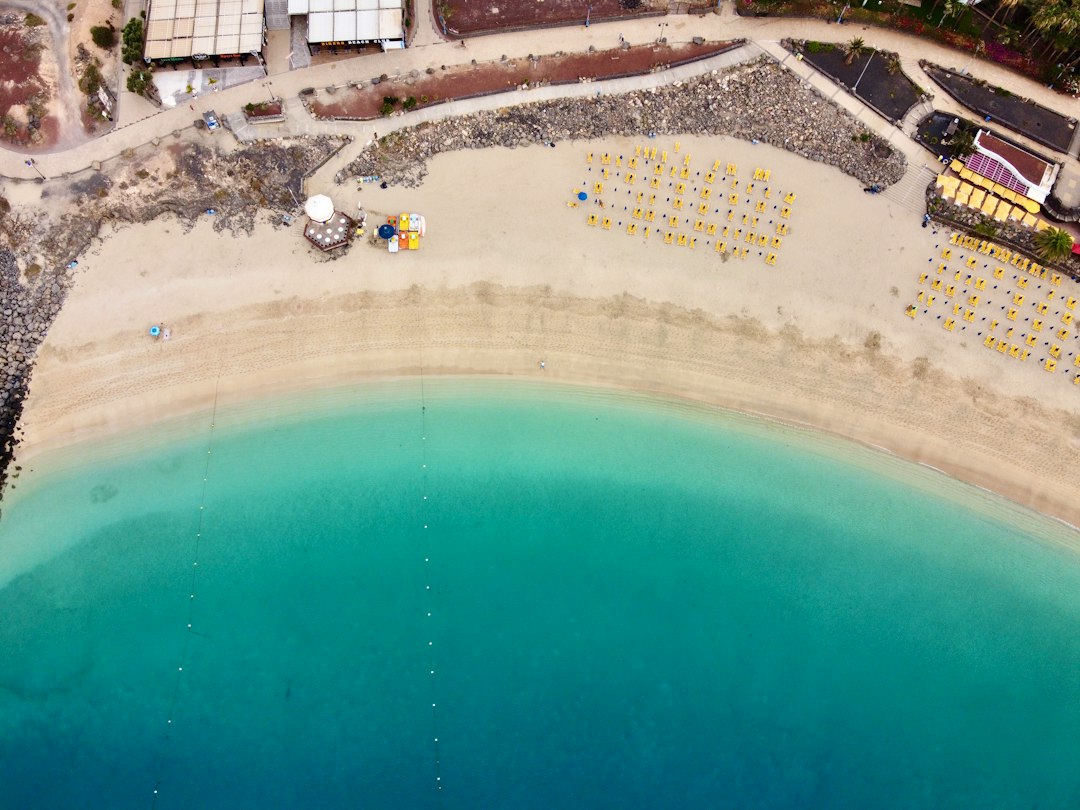
Barú is a peninsula — technically connected to the mainland but separated by an artificial channel dug in the 1960s — located about 45 kilometers southwest of Cartagena de Indias. Playa Blanca occupies the Caribbean side of the peninsula, facing northwest, and extends for about two kilometers along an almost straight coastline. Reaching it requires some effort: either you take one of the collective boats that depart from the docks of Cartagena, or you travel along a dirt track through the tropical vegetation of the peninsula.
The water and the colors of the sea
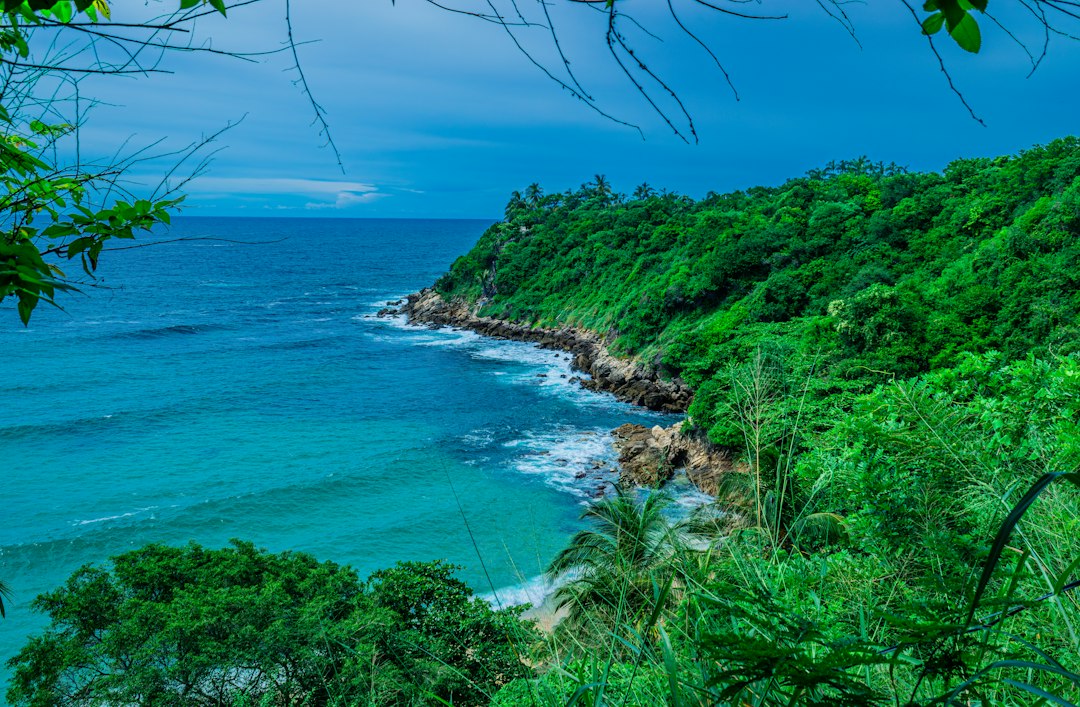
What strikes you as soon as you set foot on the beach is the chromatic transition of the water. In the area closest to the shore, where the sandy bottom is just a few decimeters deep, the sea takes on an almost unreal aquamarine hue, as if illuminated from within. Moving further out, the color gradually shifts to a full turquoise, then to a darker and deeper blue. This variation is visible to the naked eye and makes the water of Playa Blanca particularly photogenic during the central hours of the day, when the sun is high and the light penetrates vertically.
The transparency of the water allows you to observe the seabed even several meters from the shore. In some areas, just a few meters from the beach, coral formations emerge that host small tropical fish. Professional diving equipment is not necessary: with a simple mask and snorkel, it is possible to observe the reef. Some local vendors rent masks directly on the beach at reasonable prices, generally between 5,000 and 10,000 Colombian pesos for a few hours.
The sand and the atmosphere of the place
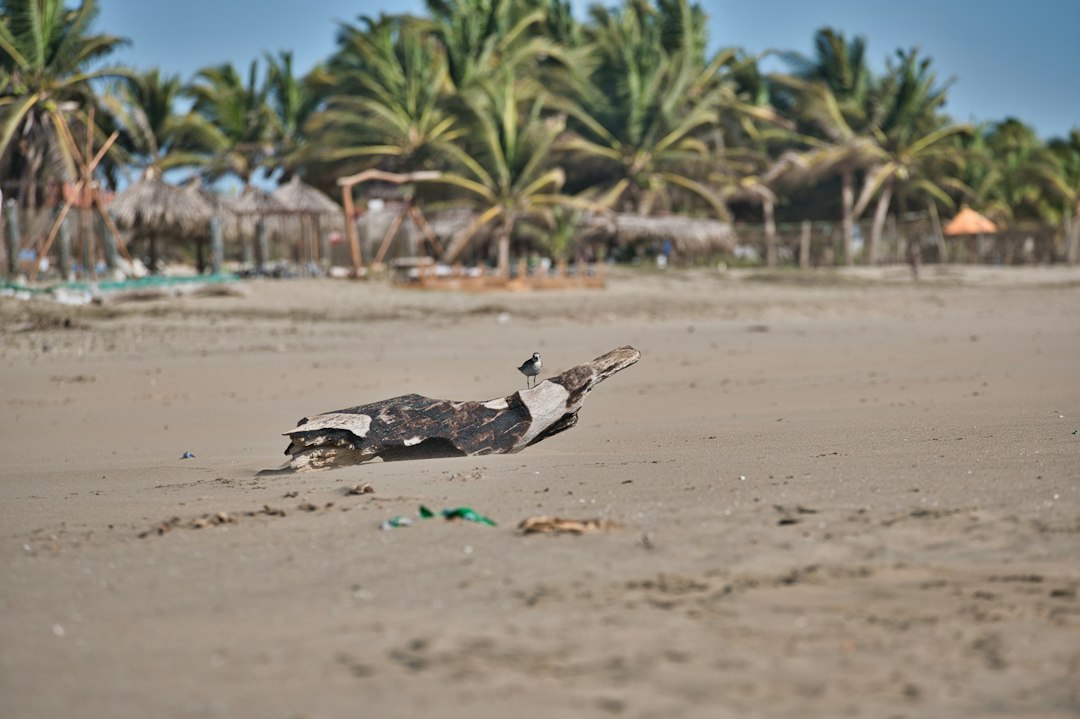
The sand of Playa Blanca is of coral and carbonate origin, which explains its almost white color and its particularly fine and compact texture. Walking on it barefoot gives the sensation of an almost talc-like surface, very different from the more common quartz sand. It remains relatively cool even during the hottest hours because it reflects sunlight instead of absorbing it.
The atmosphere of the beach is that of a still semi-wild place. There are no luxury hotels or large accommodation facilities. Along the beach, there are wooden and straw huts run by local families that serve fried fish, fresh coconut, and drinks. Some offer hammocks and sunbeds for rent. Cumbia or vallenato music often comes from these small kiosks, blending with the sound of the waves. Day visitors find a lively but not overcrowded beach on weekdays; on weekends and during Colombian holidays, the presence of local tourists from Cartagena significantly increases.
How to get there and practical advice
The most convenient way to reach Playa Blanca from Cartagena is the collective boat that departs from the Bodeguita pier or the Muelle de los Pegasos pier in the historic center. The crossing takes about 45 minutes and the indicative cost is 25,000-35,000 pesos one way, but prices vary and it is worth comparing several operators before boarding. The first departures are generally around 8:00-9:00 in the morning, while the afternoon returns leave between 15:00 and 16:00.
The best time to visit is early in the morning, preferably arriving between 8:30 and 10:00. During these hours, the light is lateral and enhances the colors of the water, the beach is less crowded, and the heat is still bearable. It is advisable to bring plenty of water, high-SPF sunscreen, and your own snorkeling mask to avoid relying on local rentals. Those who are sensitive to intense sun will find little natural shade: the palms are concentrated towards the back of the beach. Avoid weekends during Colombian national holidays if you are looking for tranquility.
What to expect and what not to expect
Playa Blanca is not a equipped beach in the European sense of the term. There are no reliably functioning public showers, the restrooms are the rudimentary ones from local kiosks, and there is no artificial lighting after sunset. Those looking for comfort and standardized services will find the situation spartan. However, those seeking an authentic Caribbean sea, with corals within reach of a snorkel, white sand, and a casual atmosphere, will find exactly what they are looking for.
It is important not to leave valuables unattended on the beach while swimming. As in many beaches frequented by tourists, the presence of people approaching bathers is occasional. Bringing only what is necessary for the day is the simplest and most effective precaution.


