



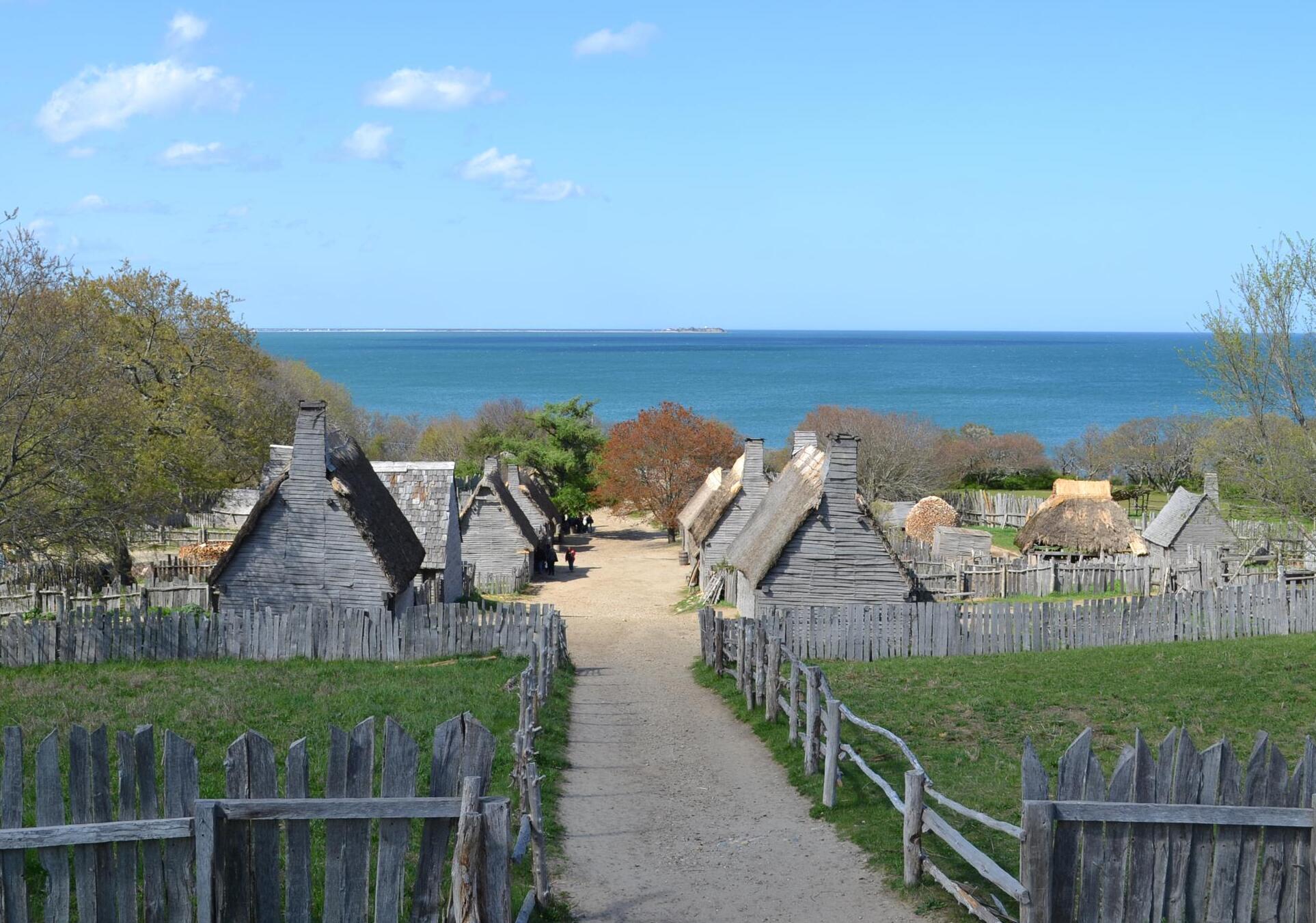
Nestled in the heart of Plymouth, Massachusetts, Plimoth Plantation invites visitors to step back into the early 17th century, immersing themselves in the rich tapestry of the Plymouth Colony, founded by the Pilgrims in 1620. This living museum serves as a vibrant reproduction of the original settlement, showcasing the challenges and triumphs of early European colonists as they navigated their new lives in America.
### History and Origins The history of Plimoth Plantation dates back to the arrival of the Mayflower in 1620, when 102 passengers landed on the shores of Cape Cod. The Pilgrims, seeking religious freedom, established a settlement that would become a cornerstone of American history. Over the years, significant events such as the first Thanksgiving in 1621 and the harsh winter of 1620-1621 shaped the community’s resilience. The museum, dedicated in 1947, aims to educate visitors about the Pilgrim's journey and the early interactions with the Indigenous peoples, primarily the Wampanoag Tribe.
### Art and Architecture The architectural style of Plimoth Plantation reflects the early 17th-century English settlement design. Visitors can explore meticulously reconstructed homes made of timber frames, thatched roofs, and wattle-and-daub walls. Notable structures include the Pilgrim Village, where costumed interpreters reenact daily life, and the Wampanoag Homesite, showcasing the traditional structures of the Native inhabitants. This blend of cultures highlights the artistic significance of both the Pilgrims' and Wampanoag's building techniques, illustrating how they adapted their environments.
### Local Culture and Traditions At Plimoth Plantation, the local customs and traditions are brought to life through vibrant festivals and educational programs. Each autumn, the museum hosts a reenactment of the first Thanksgiving, where visitors can witness the Pilgrims and Wampanoag engaging in feasting and friendly exchange. The Wampanoag program also emphasizes the importance of storytelling, crafts, and traditional practices, offering a glimpse into their rich cultural heritage. These events not only celebrate history but foster a deeper appreciation for the diverse narratives that shape America.
### Gastronomy Gastronomy at Plimoth Plantation is a delightful journey into the foods of the 17th century. Visitors can enjoy traditional dishes prepared using historical recipes, such as cornbread, stew, and pumpkin pie. The museum's kitchen often serves seasonal fare, including wild game and native crops, which were staples in the Pilgrims' diet. The emphasis on local and traditional ingredients serves as a reminder of the settlers' reliance on their environment and the culinary practices that have evolved since their arrival.
### Lesser-known Curiosities Beyond the well-trodden paths, Plimoth Plantation harbors fascinating stories that many might miss. For instance, the museum conducts extensive research to ensure accuracy in its presentations, often involving historical scholars and descendants of the original Pilgrims. Additionally, the Wampanoag interpretive programs feature authentic language and craft demonstrations, allowing visitors to engage directly with Indigenous history. One surprising detail is the ongoing collaboration between the museum and the Wampanoag Tribe, focusing on creating an inclusive narrative that honors both cultures.
### Practical Visitor Information The best time to visit Plimoth Plantation is during the spring and fall, when the weather is pleasant and the museum hosts various events. During the summer months, the museum is bustling with activities, including guided tours and workshops. To enhance your visit, consider arriving early to catch the morning programs, which often include storytelling and interactive sessions. Don't forget to explore the gift shop for unique handcrafted items and educational materials.
In this living museum, history is not merely a series of dates; it’s a vibrant tapestry of experiences waiting to be discovered. For a well-rounded exploration of Plymouth, consider using the Secret World app to plan a personalized itinerary to enhance your visit.
