← Back

Plitvice Lakes

Croatia ★★★★☆ 212 views
Nav Jal
🏆 AI Trip Planner 2026

Get the free app

Discover the best of {city} with Secret World — the AI trip planner with 1M+ destinations. Get personalized itineraries, hidden gems and local tips. Free on iOS & Android.

🧠 AI Itineraries 🎒 Trip Toolkit 🎮 KnowWhere Game 🎧 Audio Guides 📹 Videos
Scan to download iOS / Android
Scan for AppGallery Huawei users

About Plitvice Lakes

Plitvice Lakes | Secret World Trip Planner

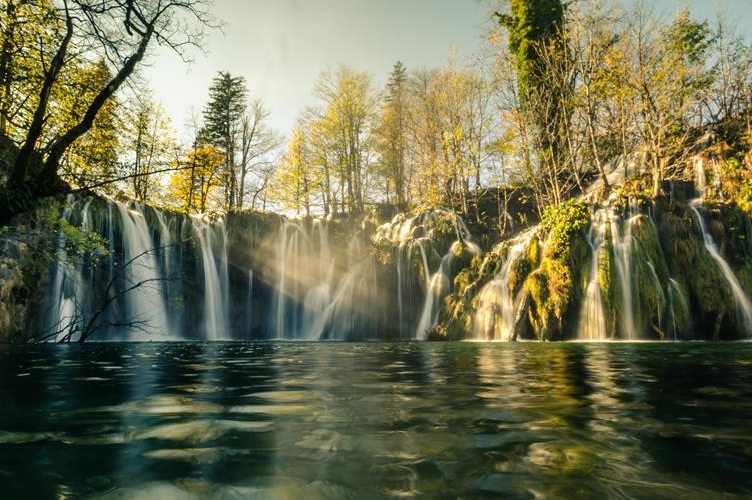
Of all of the waterfalls in the world, none are quite as extraordinary as those at Plitvice. Of course, I should say “series of waterfalls,” as this amazing natural ensemble is composed of 16 different terraced limestone lakes, with crystal clear water flowing from one to the next.

Plitvice Lakes | Secret World Trip Planner

Plitvice Lakes is the oldest and largest national park in the Republic of Croatia. The park is situated in the mountainous region of Croatia, between the Mala Kapela mountain range in the west and northwest, and the Lička Plješivica mountain range to the southeast.

The process of tufa formation, which results in the building of the tufa, or travertine, barriers and resulted in the creation of the lakes, is the outstanding universal value, for which the Plitvice Lakes were internationally recognised on 26 October 1979 with their inscription onto the UNESCO World Heritage List. In 1997, the boundaries of the national park were expanded, and today it covers an area just under 300 km2.
Plitvice Lakes | Secret World Trip Planner

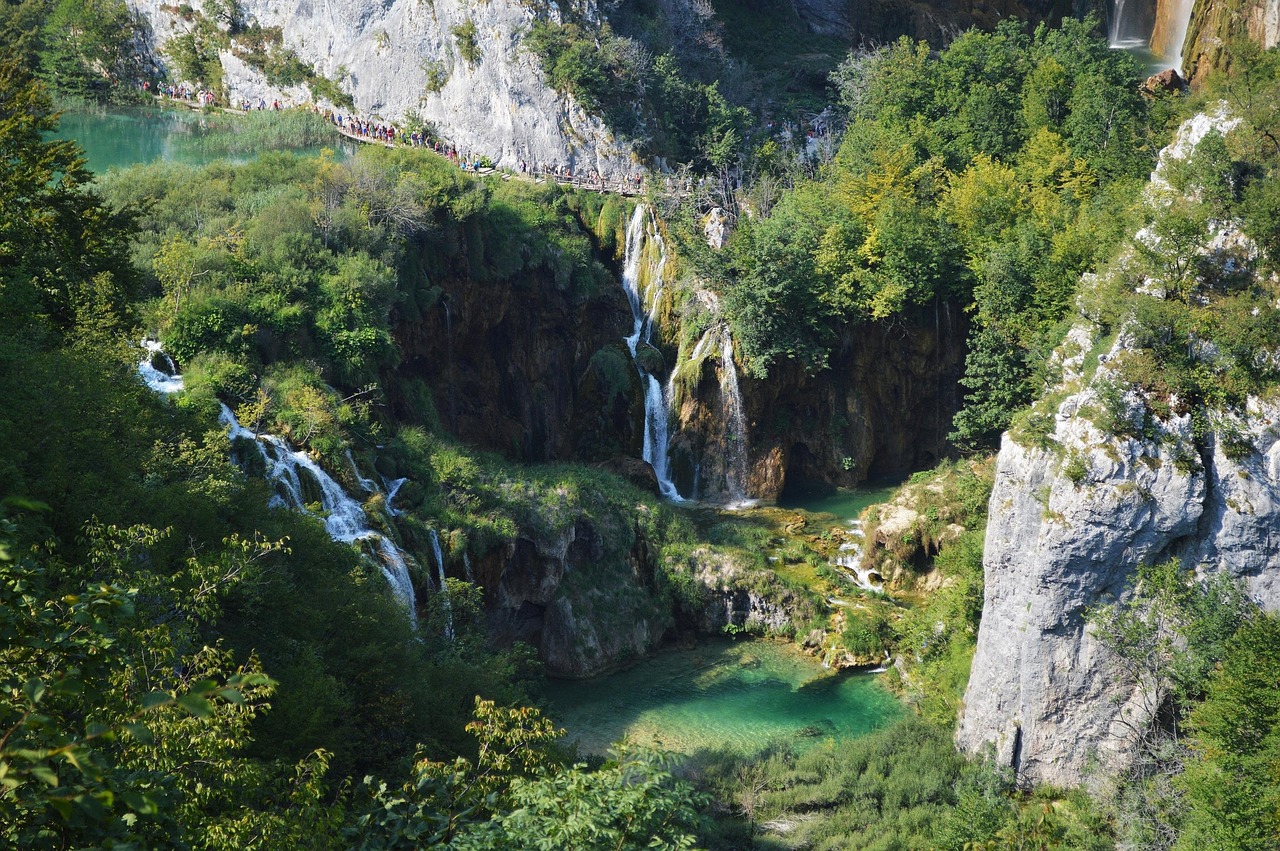
The park is primarily covered in forest vegetation, with smaller areas under grasslands. The most attractive part of the park – the lakes – cover just under 1% of the total park area.

The lake system is comprised of 16 named and several smaller unnamed lakes, cascading one into the next. Due to the geological substrate and characteristic hydrogeological conditions, the lake system has been divided into the Upper and Lower lakes. The twelve lakes forming the Upper Lakes are: Prošćansko jezero, Ciginovac, Okrugljak, Batinovac, Veliko jezero, Malo jezero, Vir, Galovac, Milino jezero, Gradinsko jezero, Burgeti and Kozjak. These lakes were formed on impermeable dolomite rock, and are larger, with more indented and gentler shores than the Lower Lakes. The Lower Lakes, consisting of the lakes Milanovac, Gavanovac, Kaluđerovac and Novakovića Brod, were formed in permeable limestone substrate, cut into a deep canyon with steep cliffs. The lakes end in the impressive waterfalls Sastavci, with the Korana River springing under the base of the falls.

Buy Unique Travel Experiences

Powered by Viator

See more on Viator.com

Explore nearby

Frequently Asked Questions

Plitvice Lakes is composed of 16 named terraced limestone lakes, along with several smaller unnamed lakes that cascade one into the next. The lake system is divided into Upper Lakes (12 lakes formed on impermeable dolomite rock) and Lower Lakes, creating a spectacular natural ensemble of waterfalls and crystal clear water.
Plitvice Lakes was inscribed onto the UNESCO World Heritage List on October 26, 1979, primarily due to the outstanding process of tufa (travertine) formation. This geological process creates the distinctive tufa barriers and terraced lakes that make Plitvice Lakes a unique natural wonder recognized internationally.
Plitvice Lakes is the oldest and largest national park in the Republic of Croatia, covering an area just under 300 km² after its boundaries were expanded in 1997. The park is primarily covered in forest vegetation, with the lakes themselves covering just under 1% of the total park area.
Plitvice Lakes is situated in the mountainous region of Croatia, positioned between the Mala Kapela mountain range to the west and northwest, and the Lička Plješivica mountain range to the southeast. This central location in Croatia's interior makes it a distinctive geographical landmark surrounded by dramatic mountain ranges.
The Upper Lakes consist of twelve named lakes: Prošćansko jezero, Ciginovac, Okrugljak, Batinovac, Veliko jezero, Malo jezero, Vir, Galovac, Milino jezero, Gradinsko jezero, Burgeti, and Kozjak. These lakes were formed on impermeable dolomite rock and are characterized by their larger size and more indented, gentler shores compared to the Lower Lakes.