

A thin iron column rises against the Caribbean sky, surrounded by the crackling of coral and the salty smell of the bay of Fort-de-France. The lighthouse of Pointe du Bout, in Les Trois-Îlets, cannot be reached by car or on foot: one must board a pirogue, the traditional canoe of Martinican fishermen, and cross a calm stretch of sea to land on a small peninsula of coral debris. Even this short journey says everything about what you will find on the other side.
The structure is a rare example of colonial cast-iron lighthouse architecture, a material chosen in the 19th century for its resistance to tropical humidity and for its ease of transport by sea. The components were cast in Europe — often in metropolitan France — and assembled on-site by local craftsmen. The result is a slender tower, elegant in its industrial linearity, contrasting with the low, thorny vegetation of the peninsula and the emerald color of the surrounding water.
An iron tower in the middle of the coral
As one approaches the peninsula, the first thing that stands out is the contrast between the apparent lightness of the metal structure and the hardness of the ground it rests on: fragments of white and gray coral, smoothed by the tides, form an irregular surface that creaks underfoot. The lighthouse, relatively short compared to the large ocean beacons, is built using a technique of overlapping sections typical of French production during the colonial period, with wrought iron railings running along the internal spiral staircase.
The lantern at the top, even when not in operation during the day, captures sunlight and reflects it towards the bay with small metallic flashes. From the panoramic balcony, one can embrace with a single glance the coast of Les Trois-Îlets, the fishing villages with boats pulled ashore on the beach, and in the distance, the silhouette of Fort-de-France stretching across the other side of the bay. It is a perspective that is hard to achieve from solid ground.
The historical context: colonial Martinique and its lighthouses
Martinique was for a long time a strategic hub for French navigation in the Caribbean, and the protection of maritime routes around the island required a network of light signals. The lighthouses built during the colonial period — roughly between the second half of the nineteenth century and the early decades of the twentieth century — reflect the technical standards of the French administration of Phares et Balises, the service that still manages maritime signaling in overseas territories today.
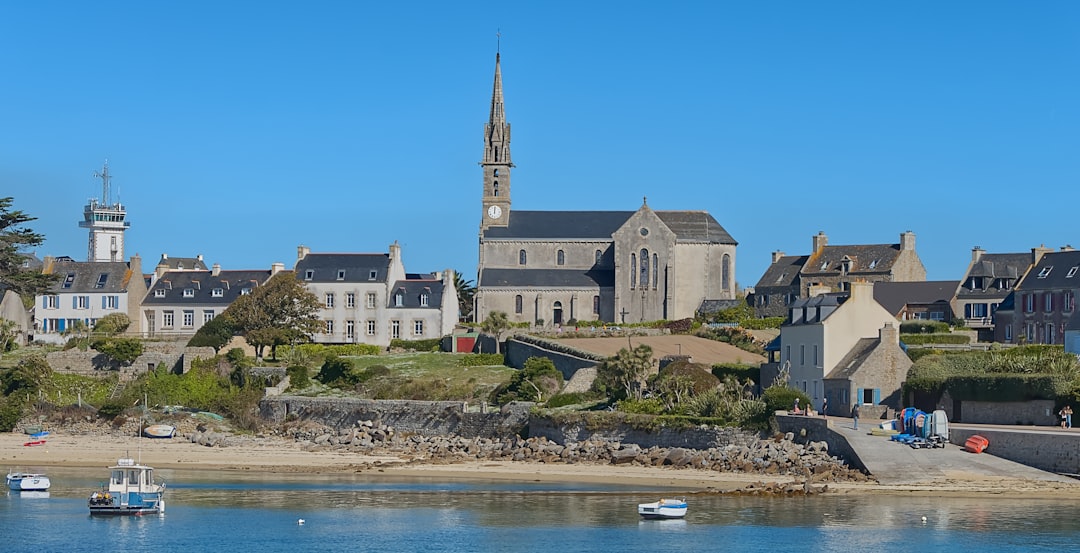
Les Trois-Îlets, known primarily as the birthplace of Joséphine de Beauharnais, future consort empress of Napoleon Bonaparte, has a deep maritime history that precedes and accompanies that of the large sugarcane plantations. The lighthouse of Pointe du Bout fits into this fabric as a silent outpost, a witness to centuries of traffic between the island and the European continent.
The canoe crossing and the bay landscape
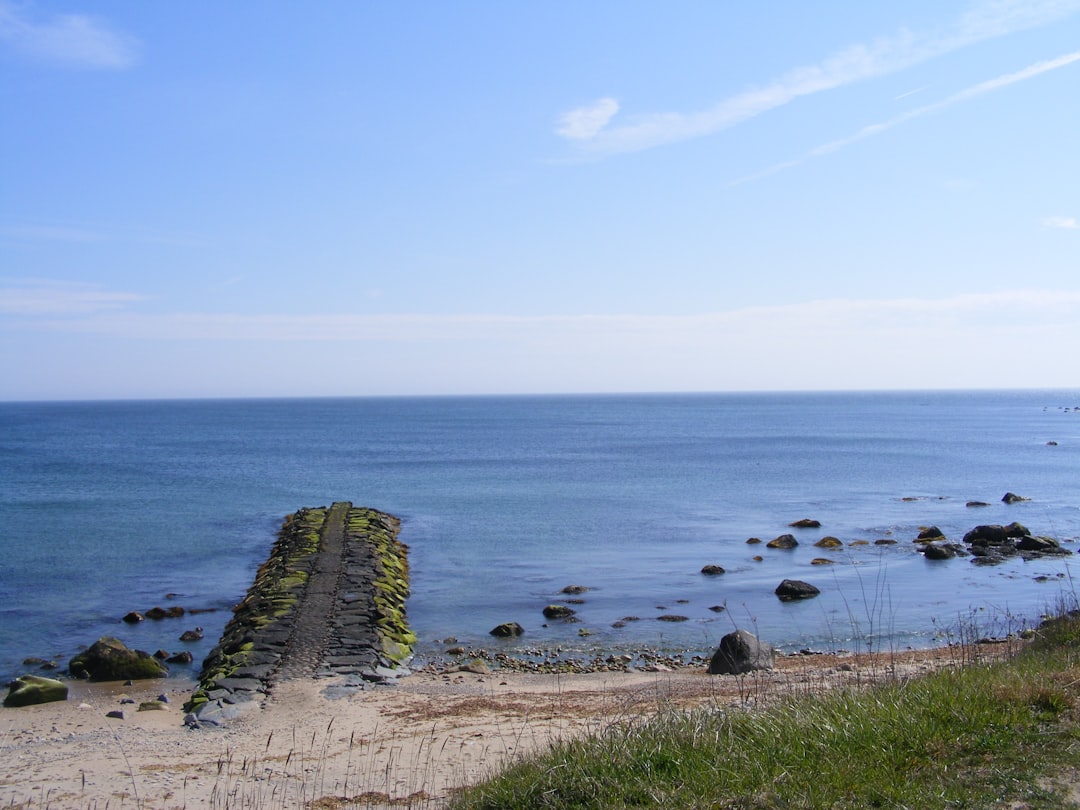
The most common way to reach the peninsula is to embark from the docks of the village of Les Trois-Îlets or from the marina area of Pointe du Bout, where small ferries and local boats operate. The crossing takes a few minutes but already offers a privileged view of the coast: you can see the colorful houses of the fishermen, the nets spread out to dry, and a few sailboats at anchor. The water is generally calm thanks to the natural protection of the bay.
Once on land, the peninsula can be explored on foot in less than half an hour. There are no notable tourist facilities, nor bars or ticket offices: it is an open space, with the lighthouse as the focal point and the sea on three sides. Bring water, especially during the central hours of the day when the sun reflects intensely on the white coral and there is not enough shade.
Practical tips for the visit
The best time to visit the Pointe du Bout lighthouse is early in the morning, preferably before 9:00 AM, when the light is soft and golden, the heat is still bearable, and the bay is lively with the movement of the first fishing boats. Avoid the central hours between 11:00 AM and 3:00 PM: the peninsula is unprotected and temperatures can be intense from November to April, the peak tourist season.
For the crossing by canoe or local boat, inquire directly at the port of Les Trois-Îlets: prices are reasonable and waiting times are generally short. Wear closed shoes or sandals with a sturdy sole to walk on the uneven coral. If you have time, combine the visit with a walk in the village of Les Trois-Îlets, where the parish church preserves the baptismal register of Joséphine de Beauharnais, a document that locals proudly display.


