



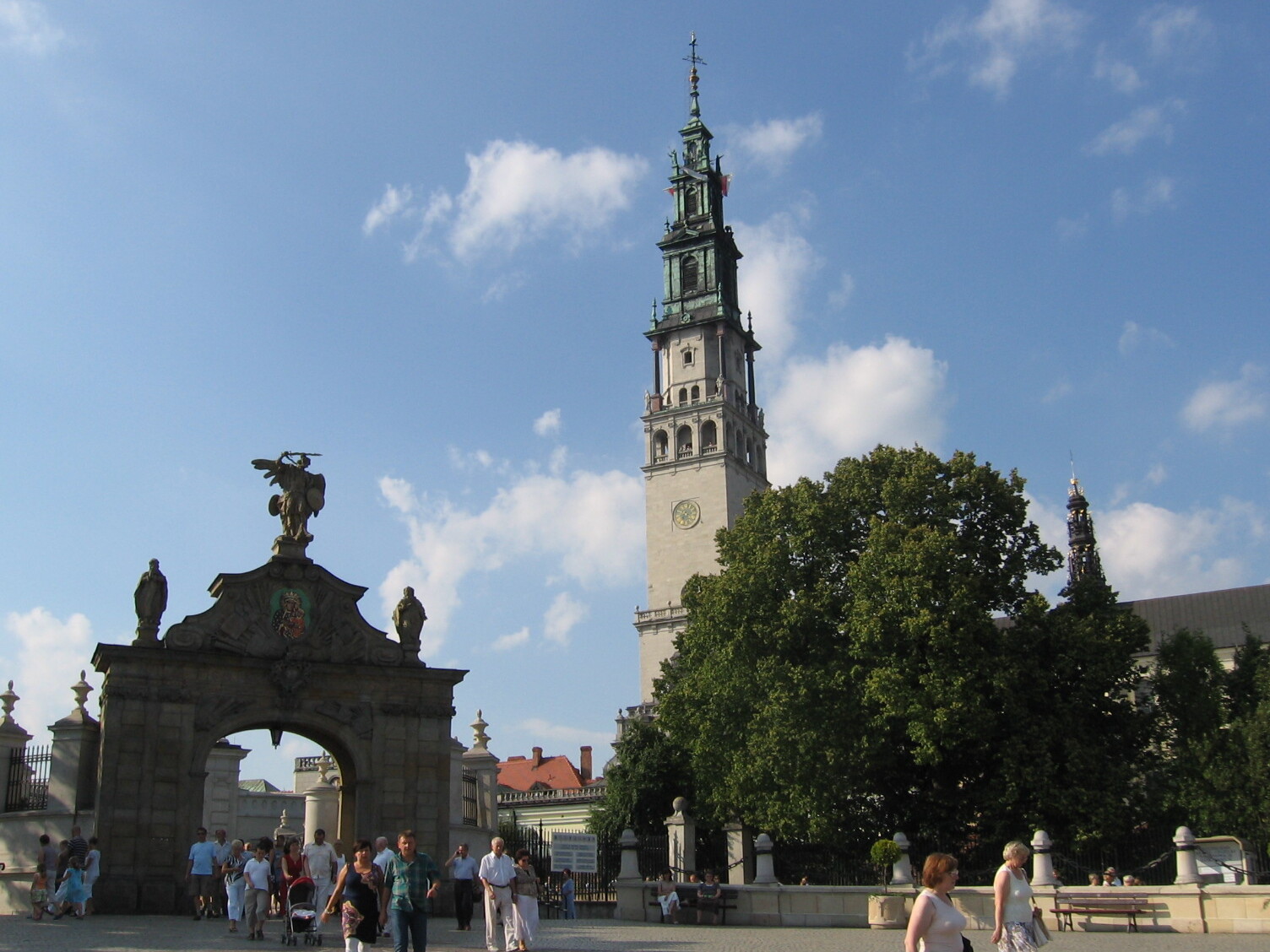
Nestled amidst the tranquil hills of Czestochowa, the Shrine of Jasna Gora, or Luminous Mountain, stands as a profound symbol of faith and resilience for millions. Each year, more than four million pilgrims journey to this sacred site, drawn by the allure of the revered Black Madonna, an icon believed to have been painted by St. Luke himself. This venerated painting has graced the sanctuary since 1382, making it a central figure in Polish spirituality and cultural history.
The origins of the shrine are steeped in legend and devotion. Established by Pauline monks who arrived from Hungary, Jasna Gora quickly became a focal point for Christian worship. The first recorded mention of the miraculous icon dates back to the 15th century, with tales of its healing powers circulating widely among the faithful. Throughout its history, it has endured various trials, including the Swedish Deluge in the 17th century, when the monks famously defended the sanctuary against invaders, further solidifying its status as a bastion of Polish identity.
Architecturally, the shrine is a stunning example of Mannerist and Baroque styles. The centerpiece is the grand basilica, adorned with intricate frescoes and ornate altars that reflect the artistic richness of its time. The Black Madonna resides in a beautifully decorated chapel, surrounded by silver votive offerings, where the faithful come to pay homage. This striking icon, with its dark complexion and enigmatic expression, serves as a reminder of the sacred and the mysterious, drawing visitors not only for its beauty but for its spiritual significance.
Local customs surrounding the shrine are vibrant, with the Feast of Our Lady of Czestochowa celebrated every year on August 26. This festival attracts thousands, who participate in processions, prayers, and communal gatherings, reinforcing the sense of community among pilgrims. The tradition of offering ex-voto—thanksgiving offerings for granted prayers—is deeply rooted here. Visitors may often see crutches, photographs, and other items left behind as tokens of gratitude for miraculous interventions.
Polish cuisine adds another layer to the experience of visiting Czestochowa. Local delicacies include pierogi, dumplings filled with various ingredients, and żurek, a sour rye soup often served with sausage. For those with a sweet tooth, makowiec, a poppy seed roll, is a must-try, especially during festive seasons. The flavors of the region reflect the rich agricultural heritage of Poland, and many local eateries provide a warm, hospitable atmosphere for pilgrims and tourists alike.
Among the lesser-known curiosities of Jasna Gora is the intriguing story of the monastery's secret tunnels. Legend has it that during times of invasion, monks used these underground passages to escape or transport valuables. Today, these tunnels remain largely unexplored, adding an air of mystery to the already storied history of the shrine. Additionally, the Black Madonna has been credited with numerous miraculous events, from healings to protection during wars, further cementing its status as a symbol of hope for the Polish people.
The best time to visit the Shrine of Jasna Gora is during the summer months, particularly in late August when the feast draws the largest crowds. However, for those seeking a quieter experience, consider visiting in the spring or early fall. It's advisable to plan ahead, especially during major religious events, as accommodations can fill quickly. Be sure to take time to explore the surrounding grounds, which are beautifully landscaped and provide a serene atmosphere for contemplation.
As you immerse yourself in the spiritual and cultural layers of Czestochowa, consider using the Secret World app to craft a personalized itinerary that highlights the rich tapestry of experiences this remarkable city has to offer.
