



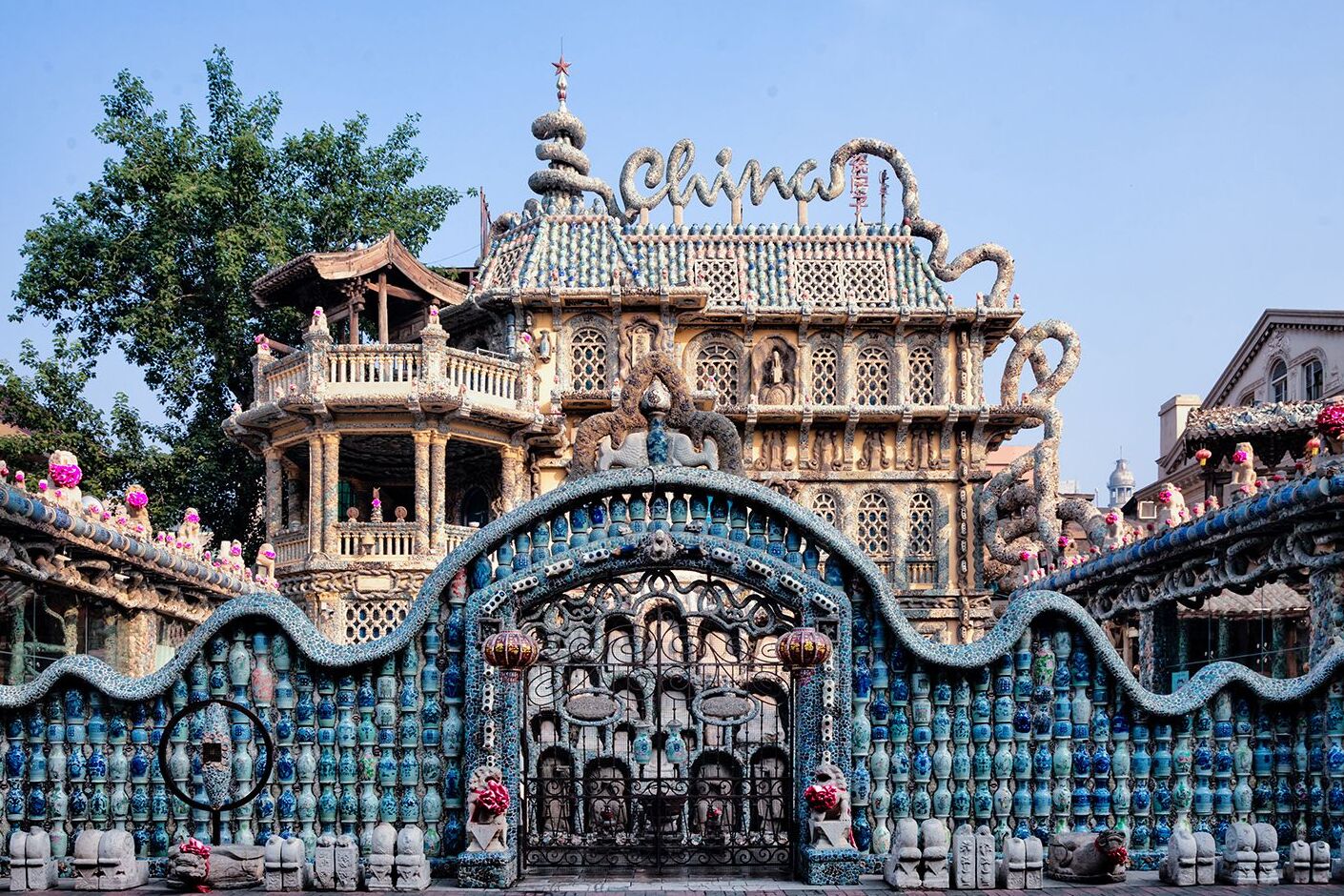
Nestled in the heart of Tianjin, the Porcelain House, also known as the House of China, is a stunning testament to both architectural brilliance and cultural heritage. As you stand before its vibrant facade on Chifeng Road in the Heping District, the sheer spectacle of colorful porcelain artfully cemented onto the building's exterior captivates visitors, creating a visual feast that is unlike anything else in the world.
The origins of the Porcelain House date back to 1920, when it was first constructed as a private residence. Its eclectic architectural style combines French aesthetics with influences of Italian design, particularly visible in the elegant corridors. The building spans an impressive 5,000 square meters (approximately 53,800 square feet), showcasing a unique blend of cultural influences that reflect Tianjin's rich historical tapestry.
In its early years, the house was home to Huang Rongliang, a contemporary Chinese diplomat, who infused it with personal touches and cultural significance. However, the building's fate changed dramatically in September 2002, when Zhang Lianzhi, a passionate businessman, artist, and collector, purchased it for CNY 30 million. With a vision to transform it into a landmark of Chinese culture, Zhang embarked on an ambitious project to adorn the house with thousands of pieces of porcelain, some dating back to the Ming and Qing dynasties.
By September 3, 2007, the Porcelain House opened its doors to the public, quickly becoming a symbol of Tianjin's cultural identity. The intricate decorations are not merely for aesthetic appeal; they tell stories of Chinese history, craftsmanship, and the artistic expression of porcelain, an art form that has been cherished for millennia.
Visitors to the Porcelain House are often enchanted by its interior, where porcelain embellishments continue to dazzle. The handrails, ceilings, and walls are adorned with exquisite pieces depicting traditional Chinese motifs and symbols of prosperity and good fortune. Each item has been meticulously placed, creating a harmonious blend of color and texture that resonates with the viewer. The house’s eclectic style serves not just as a visual delight but also as a conversation starter about the cultural exchange between East and West.
Beyond its architectural marvels, Tianjin is a city rich in culture and tradition. Visitors can immerse themselves in local customs, such as the Tianjin International Beer Festival, held annually, which celebrates the city’s vibrant nightlife and eclectic culinary scene. Traditional festivals like the Tianjin Lantern Festival showcase the artistry and folklore of the region, providing a deeper understanding of the local culture.
Culinary enthusiasts will find much to savor in Tianjin. The city is renowned for its unique dishes, including Goubuli Baozi (steamed buns filled with meat) and Tianjin Guobacai (a type of fried dough). These local delicacies reflect the city's culinary heritage, blending flavors and techniques that have been passed down through generations. While exploring the Porcelain House, consider indulging in a meal at one of the nearby restaurants to experience the full essence of Tianjin’s gastronomy.
For those seeking lesser-known curiosities, the Porcelain House has its share of surprises. Many visitors are unaware that the building houses over 400,000 pieces of porcelain—an astounding collection that includes not only decorative items but also utilitarian objects. Each piece has a story, and as you wander through the halls, you might discover hidden details, such as porcelain fragments from the Song dynasty or intricate mosaics that depict scenes from Chinese folklore.
As you plan your visit, the best time to experience the Porcelain House is in the spring and autumn months, when the weather is mild and conducive for exploration. Aim to arrive early in the day to avoid crowds and fully appreciate the intricate details of this architectural wonder. When inside, take your time to absorb the artistry and consider joining a guided tour to gain insights into the stories and significance behind each porcelain piece.
In conclusion, the Porcelain House in Tianjin is not just a building; it is a celebration of Chinese art, culture, and history. Its vibrant exterior and richly adorned interior invite visitors to wander and wonder, making it an essential stop for anyone exploring this fascinating city. For a personalized adventure in Tianjin, consider using the Secret World app to create a tailored itinerary that highlights the best of local attractions.
