
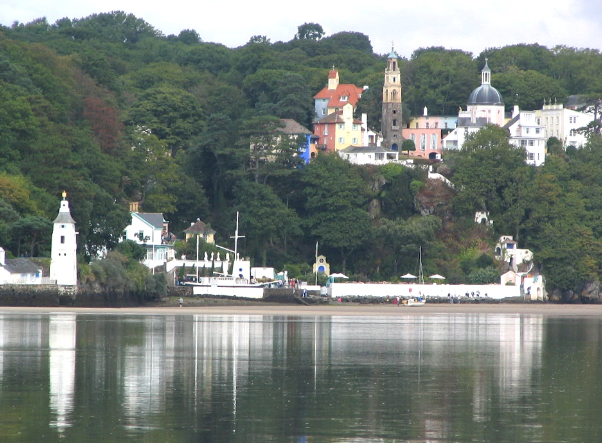

Portmeirion, nestled on the coast of North Wales, is an enchanting village that defies conventional architecture and embodies a unique vision of beauty and balance. Conceived by the visionary architect Clough Williams-Ellis between 1925 and 1976, Portmeirion is an exemplary model of how development can harmonize with nature. This idiosyncratic village not only captivates with its aesthetic charm but also serves as a testament to a profound architectural philosophy.
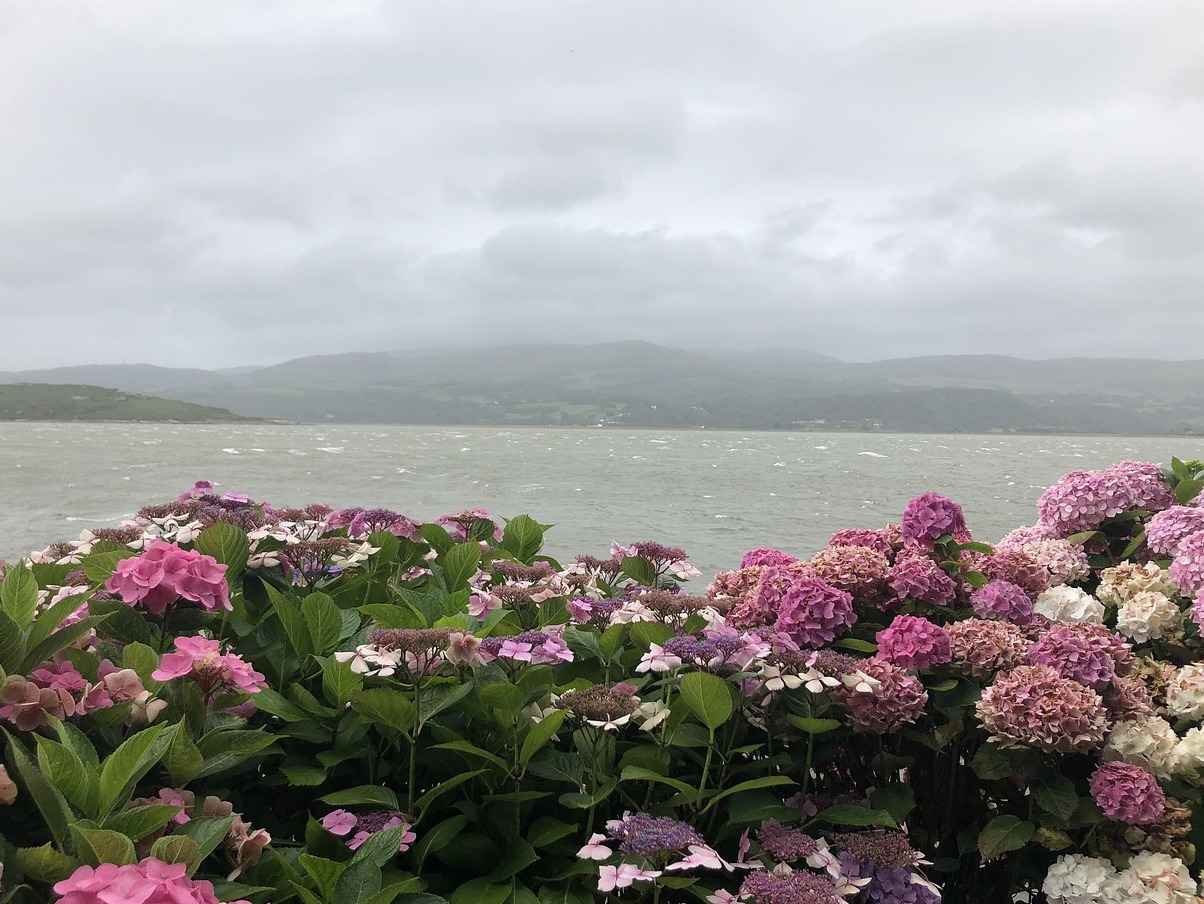
The history of Portmeirion is a tale of dedication and creative genius. Williams-Ellis, inspired by his travels and the enchanting allure of the Italian Riviera, embarked on a mission to demonstrate that a naturally stunning landscape could be enhanced with human-made structures without being marred. The result is a whimsical blend of Mediterranean and Baroque styles, infused with a playful touch of the Arts and Crafts movement. Each building is meticulously positioned to complement the lush greenery and breathtaking coastal vistas, creating a seamless interaction between architecture and nature.
Portmeirion's architecture is nothing short of a visual symphony. The village is a mosaic of vibrant colors and distinct styles, drawing inspiration from Italianate designs. Notable structures include the Pantheon, with its rotunda and striking dome, and the angular Town Hall, which exudes a quaint charm. The myriad of architectural details, from intricate stone carvings to vibrant frescoes, reflect Williams-Ellis's eclectic taste and artistic sensibility. It's no surprise that artists and filmmakers have found Portmeirion an irresistible muse; it famously served as the surreal backdrop for the 1960s cult TV series, The Prisoner.
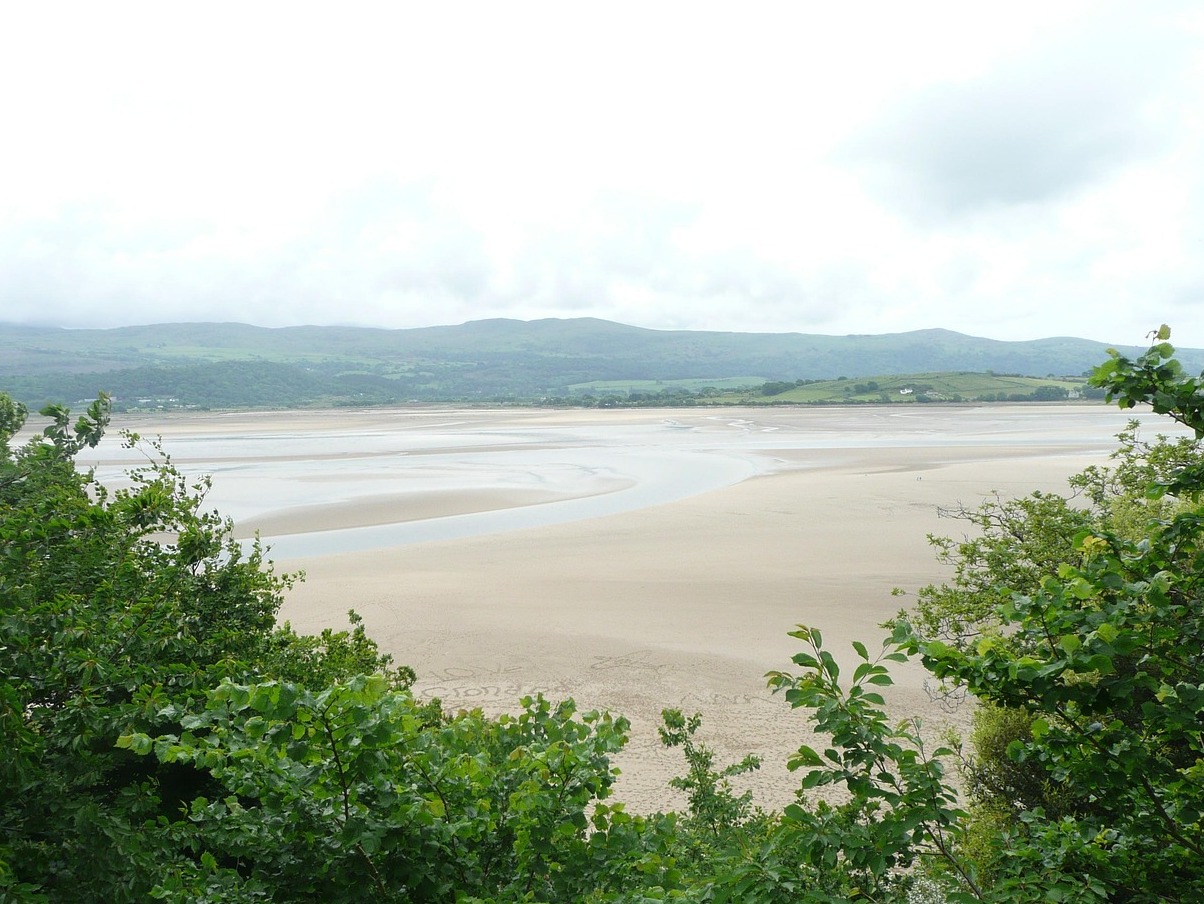
Culturally, Portmeirion is a lively hub of activity. The village hosts a variety of events and festivals throughout the year, including the vibrant Festival No.6, a boutique music and arts festival that celebrates creativity in all its forms. The festival showcases a mix of contemporary music, spoken word, and visual art, pulling in visitors from across the globe. Local customs and traditions are also celebrated with Welsh events that highlight the rich cultural tapestry of the region.
When it comes to gastronomy, Portmeirion offers a delightful taste of local Welsh cuisine. Visitors can savor traditional dishes like laverbread, a unique seaweed delicacy, and Welsh rarebit, a savory cheese-based dish. The village's restaurants often feature locally sourced ingredients, offering a fresh and authentic culinary experience. The Hotel Portmeirion serves as a culinary landmark, providing exquisite dining experiences with stunning views of the estuary.
For those curious about lesser-known aspects of Portmeirion, there are plenty of intriguing stories and hidden gems. One such curiosity is the village's intricate bell tower, which was cleverly constructed using salvaged materials from a demolished church. Additionally, the Grotto, a hidden garden tucked away from the main village, offers a peaceful retreat and a chance to marvel at the skillful landscaping that defines Portmeirion.
Practical information is essential for anyone planning a visit. The best time to explore Portmeirion is during the spring or early autumn when the weather is mild, and the gardens are in full bloom. Visitors should wear comfortable shoes, as the village's winding paths and staircases require a fair amount of walking. Be sure to set aside time to explore the woodlands and beaches that surround the village, offering breathtaking views and tranquil spots for reflection.
To truly immerse yourself in the enchanting world of Portmeirion, use the Secret World app to craft a personalized AI itinerary tailored to your interests.


