
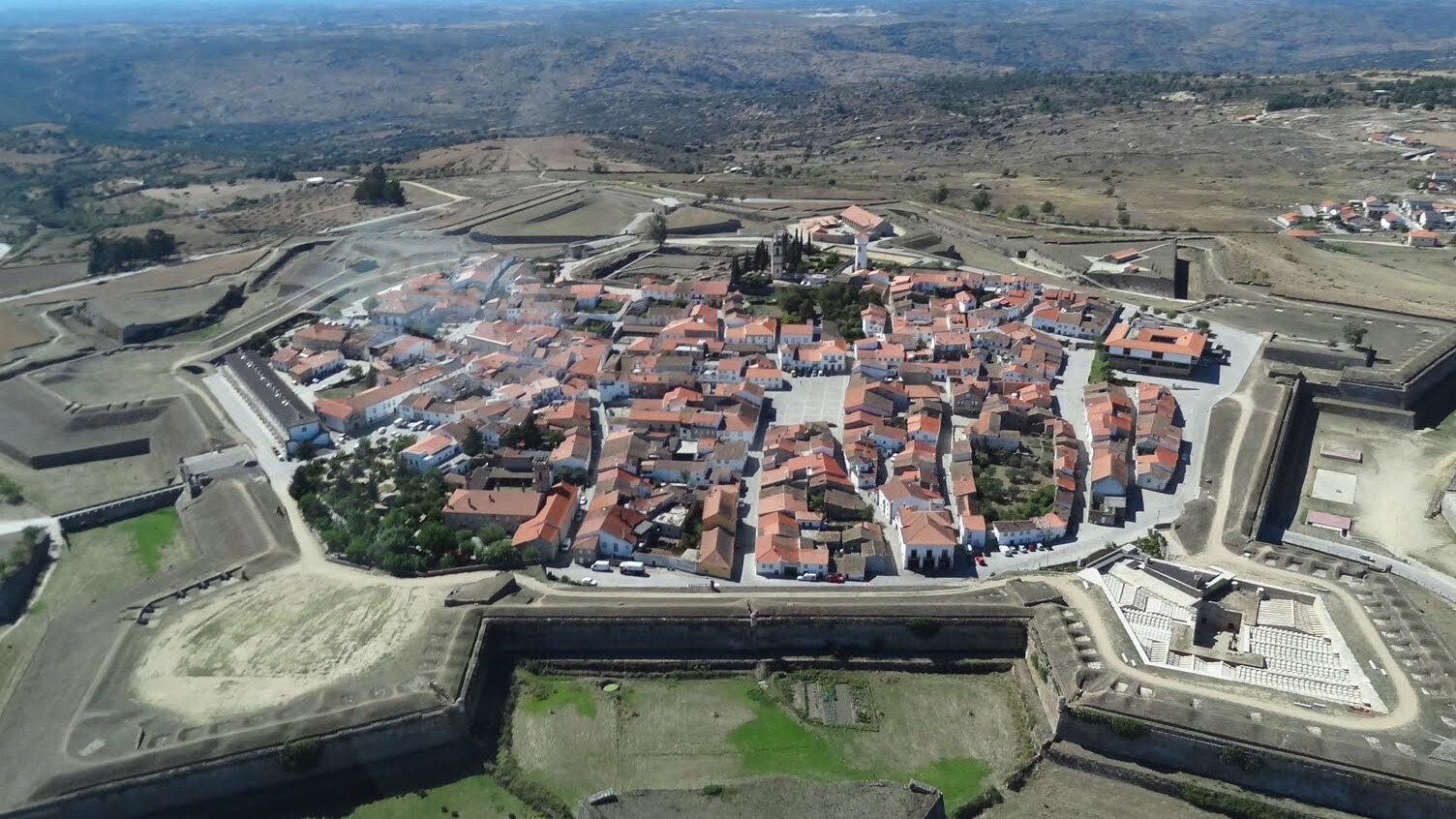

Nestled in the heart of Portugal, Almeida stands as a testament to the country’s storied past, its strategic position on the Spanish border making it a significant military stronghold since the 12th century. This charming village, perched on a vast high plain overlooking the Côa River, offers visitors a unique glimpse into Portugal's rich historical tapestry.
History and Origins
The origins of Almeida date back to the Palaeolithic, but its pivotal role in history began during the Arabic period when it was named "al mêda," meaning “the table.” This name is believed to reference the flat terrain, which provided an ideal location for settlement. During the 12th century, the village was transformed into a fortified stronghold, primarily to defend against invasions from Spain.
Notably, during the Peninsular War in the early 1800s, Almeida was the site of significant military engagements. The Battle of Almeida in 1810 saw British and Portuguese forces attempting to fend off the French. Although the town eventually fell to the French, the courage displayed by its defenders has become an enduring part of local lore. The remnants of its fortifications remain a striking symbol of resilience, with the well-preserved star-shaped fortress being a key highlight for visitors today.
Art and Architecture
The architectural style of Almeida is deeply influenced by its military history. The Almeida Fortress, constructed between 1769 and 1794, showcases Neoclassical design elements and is one of the most remarkable examples of military architecture in Portugal. Visitors can explore its impressive walls, bastions, and gates, which exhibit both functionality and beauty.
Inside the fortress, the Church of São Francisco stands out with its intricate baroque altarpiece and stunning azulejos—traditional Portuguese tiles—that narrate biblical stories. The blend of military utility and artistic expression in Almeida’s architecture reflects the town's historical significance and cultural heritage.
Local Culture and Traditions
Almeida is not only a historical site but also a vibrant community steeped in tradition. The village hosts several festivals throughout the year, celebrating its cultural identity. One of the most notable events is the Festa de São João, held in June, where locals engage in lively processions, music, and traditional dances. This festival serves as a reminder of the village's communal spirit and its commitment to preserving cultural practices.
Visitors can also experience the unique custom of Almeida’s Night of Fado, where the soulful sounds of this traditional Portuguese music echo through the cobblestone streets, often performed in intimate settings that invite both locals and travelers to share in the emotion of the songs.
Gastronomy
The culinary offerings of Almeida reflect its rich agricultural surroundings. Visitors should not miss trying queijo da Serra, a creamy cheese made from sheep's milk, often enjoyed with local bread. Another local specialty is bacalhau à brás, a dish made from shredded codfish, onions, and thinly sliced potatoes, bound together with scrambled eggs.
Pair your meal with a glass of Dão red wine, produced in the nearby Dão Valley, known for its robust flavor and aromatic notes, perfect for complementing the region's hearty dishes. The gastronomic experience in Almeida is a delightful journey through the flavors of Portugal.
Lesser-Known Curiosities
Beyond its historical significance, Almeida boasts several hidden gems that many travelers overlook. One such curiosity is the Cemetery of the French, which serves as a solemn reminder of the fallen soldiers from the Napoleonic Wars. Additionally, the local legend of the sumptuous table adorned with precious stones adds an air of mystique to the village. According to lore, this table once graced the very spot where Almeida now stands, symbolizing wealth and prosperity.
Another intriguing aspect is the Almeida Underground, a series of tunnels and chambers used for storage and as escape routes during sieges. While not all areas are accessible to the public, guided tours provide fascinating insights into these hidden pathways.
Practical Visitor Information
The best time to visit Almeida is during the spring and early autumn months, when the weather is mild and perfect for exploring the village’s historic sites. The local tourism office can provide maps and information on guided tours to enrich your visit.
As you wander through the fortress, be sure to look for the Civic Museum of Almeida, which houses artifacts and exhibits detailing the town’s rich history. Don’t forget to enjoy a leisurely stroll along the Côa River, where the serene landscape offers a peaceful retreat from the bustling historical sites.
For a truly personalized experience while exploring Almeida and beyond, consider using the Secret World app to plan your unique itinerary.


