
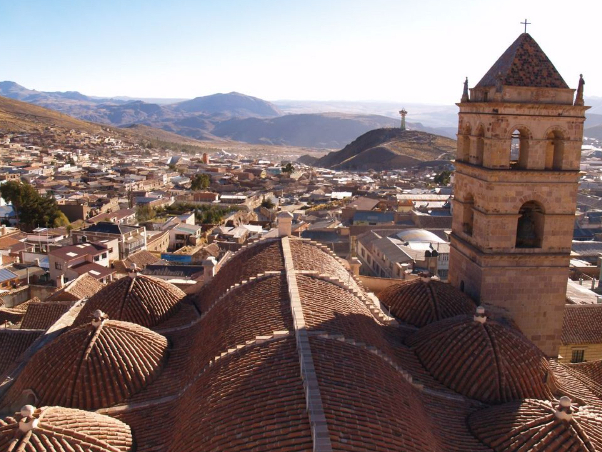

Perched high in the Andes at over 4,000 meters above sea level, Potosí is a city defined by its dramatic history and enduring legacy. Once the glittering jewel of the Spanish Empire, Potosí’s story began in 1545 with the discovery of the Cerro Rico silver mines. This "Rich Mountain" was so laden with silver that it seemed to defy belief, transforming the city into one of the wealthiest and most populous urban centers in the world. The boom attracted adventurers, opportunists, and laborers from across the globe, all drawn by the promise of prosperity.
The city's historical narrative is inextricably linked to its mines, which were worked by indigenous laborers under brutal conditions. The wealth extracted from Cerro Rico fueled the European economy, and some historians suggest that Potosí's silver may have financed Spain’s vast empire-building ventures. However, this wealth came at a terrible human cost, with countless lives lost in the hazardous conditions of the mines. This backdrop of wealth and exploitation is an essential part of understanding Potosí's past.
Walking through Potosí, one is immediately struck by its colonial architecture. The city is home to a number of impressive structures built during its peak of prosperity. The Casa de la Moneda, or Royal Mint, is a standout example. Constructed in the mid-18th century, it once housed the minting operations for the empire and now serves as a museum, offering a window into the city’s opulent past. The architecture here blends Renaissance and Baroque styles, with intricate facades and grand courtyards that speak to the city’s former glory. Inside, visitors can marvel at the massive wooden minting machines and the elegant frescoes that adorn the walls.
Potosí’s rich cultural tapestry is woven with vibrant traditions and celebrations. The city is known for its Carnaval de Potosí, a festival that bursts to life with music, dance, and colorful costumes. It's a time when locals celebrate their heritage with traditional dances like the Diablada and Morenada, both of which are deeply rooted in Andean mythology and history. The festival is a sensory feast, with the sound of brass bands echoing through the streets and the air filled with the scent of local delicacies.
Speaking of gastronomy, Potosí offers a taste of authentic Bolivian cuisine. Visitors should try sopa de maní, a hearty peanut soup, or salteñas, which are savory pastries filled with meat, potatoes, and spices. Another local specialty is api, a warm, sweet beverage made from purple corn, often enjoyed during the chilly evenings. These dishes reflect the region’s agricultural heritage and are integral to the local culinary identity.
While Potosí’s mines and architecture are well-documented, there are lesser-known stories that add depth to the city’s narrative. For instance, it is said that the phrase "worth a Potosí" was coined to describe something of immense value, highlighting the city’s legendary wealth. Moreover, beneath the city’s streets lies a network of tunnels, remnants of the mining era, which are mostly inaccessible today but whisper tales of the city's industrious past.
For those planning a visit, the best time to explore Potosí is during the dry season, from May to October, when the weather is milder. Due to its high altitude, visitors should acclimatize gradually to avoid altitude sickness. A tour of the Cerro Rico mines is a sobering yet insightful experience, offering a glimpse into the harsh realities faced by miners both past and present. However, it is crucial to choose a reputable guide who prioritizes safety and respects the miners’ working conditions.
A visit to Potosí is not just a journey through breathtaking landscapes but a poignant exploration of history, culture, and human endurance. The city stands as a testament to the complexities of colonialism, a place where the echoes of the past resonate through its streets and stories. Those who venture here will find a city that is both a relic of the past and a vibrant, living community that honors its heritage while looking to the future.


