
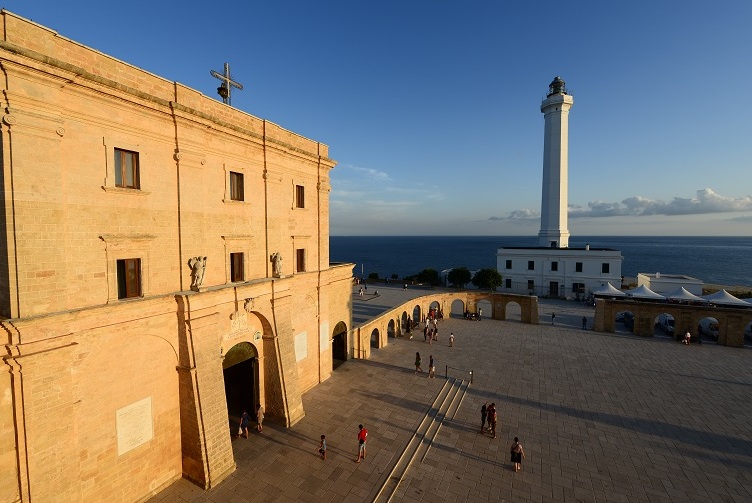

Nestled at the southern tip of the Salento peninsula, the Santa Maria de Finibus Terrae sanctuary in Santa Maria di Leuca stands as a sentinel over the meeting point of the Ionian and Adriatic seas. This sacred site, whose name translates to “Saint Mary of the Ends of the Earth,” is steeped in history and spirituality, drawing pilgrims and travelers alike to its stunning vistas and rich heritage.
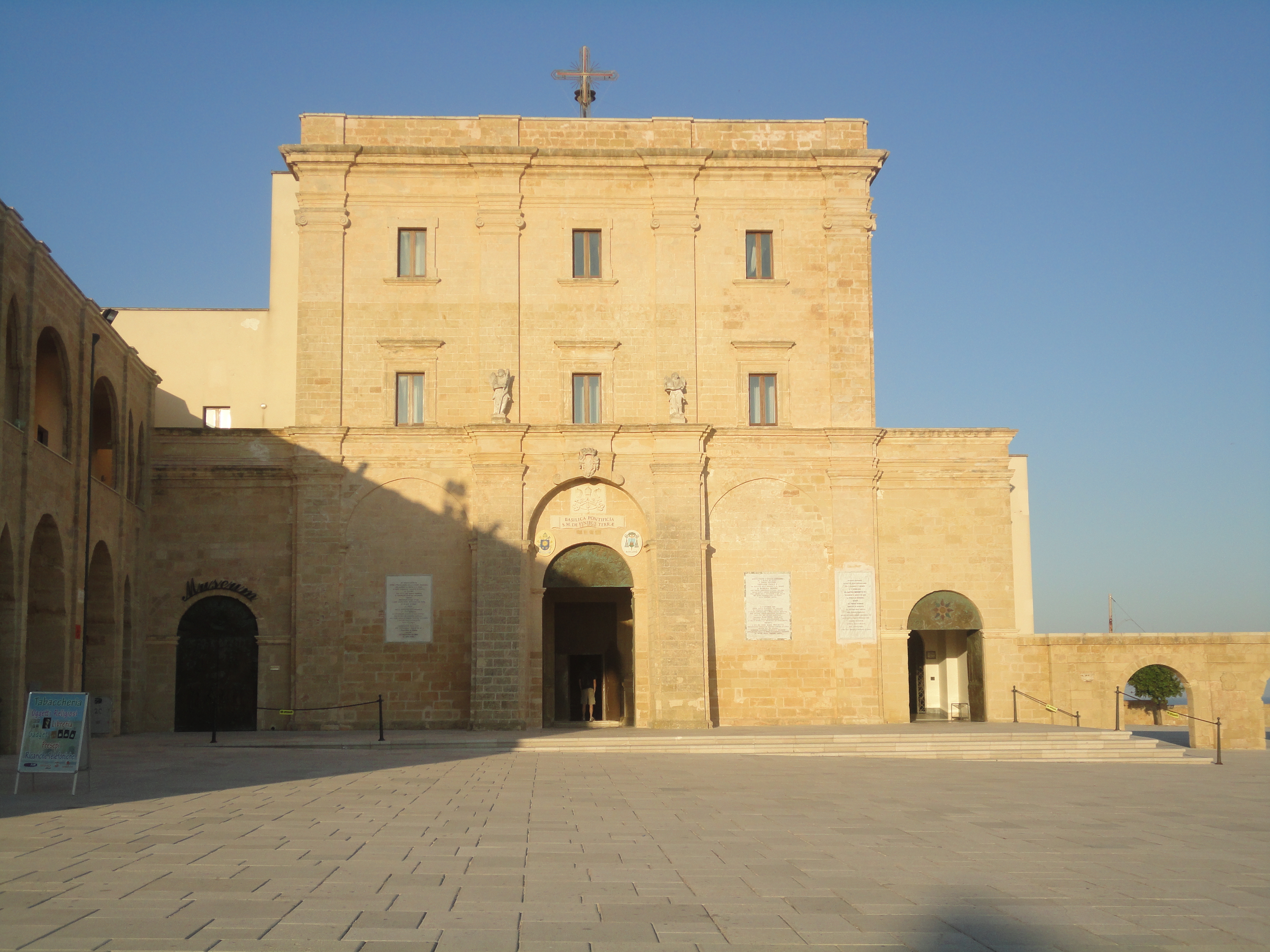
The origins of the sanctuary trace back to the dawn of Christianity, built upon the remnants of a pagan temple dedicated to Minerva, the Roman goddess of wisdom. According to local tradition, St. Peter himself landed here, arriving from Palestrina to spread the teachings of Christ. This pivotal moment in Christian history is commemorated by a grand Corinthian column erected in 1694, standing proudly in the square before the sanctuary. Over centuries, the sanctuary has weathered numerous assaults from Turkish and Saracen marauders, leading to its destruction and subsequent reconstruction. The current structure, completed in the 18th century, is the sixth iteration of the sanctuary, embodying resilience and faith.
Architecturally, the sanctuary is a breathtaking example of Baroque style, characterized by its intricate façade and dramatic interior. The exterior is adorned with ornate carvings, while the interior boasts stunning frescoes and a magnificent altar that draws the eye upward, evoking a sense of divine presence. Notable artworks include the Madonna de Finibus Terrae, a revered icon believed to protect sailors and fishermen, highlighting the sanctuary's deep connection to the sea and local maritime life. As of October 7, 1990, it has held the title of a minor basilica, a designation that honors its historical and spiritual significance.
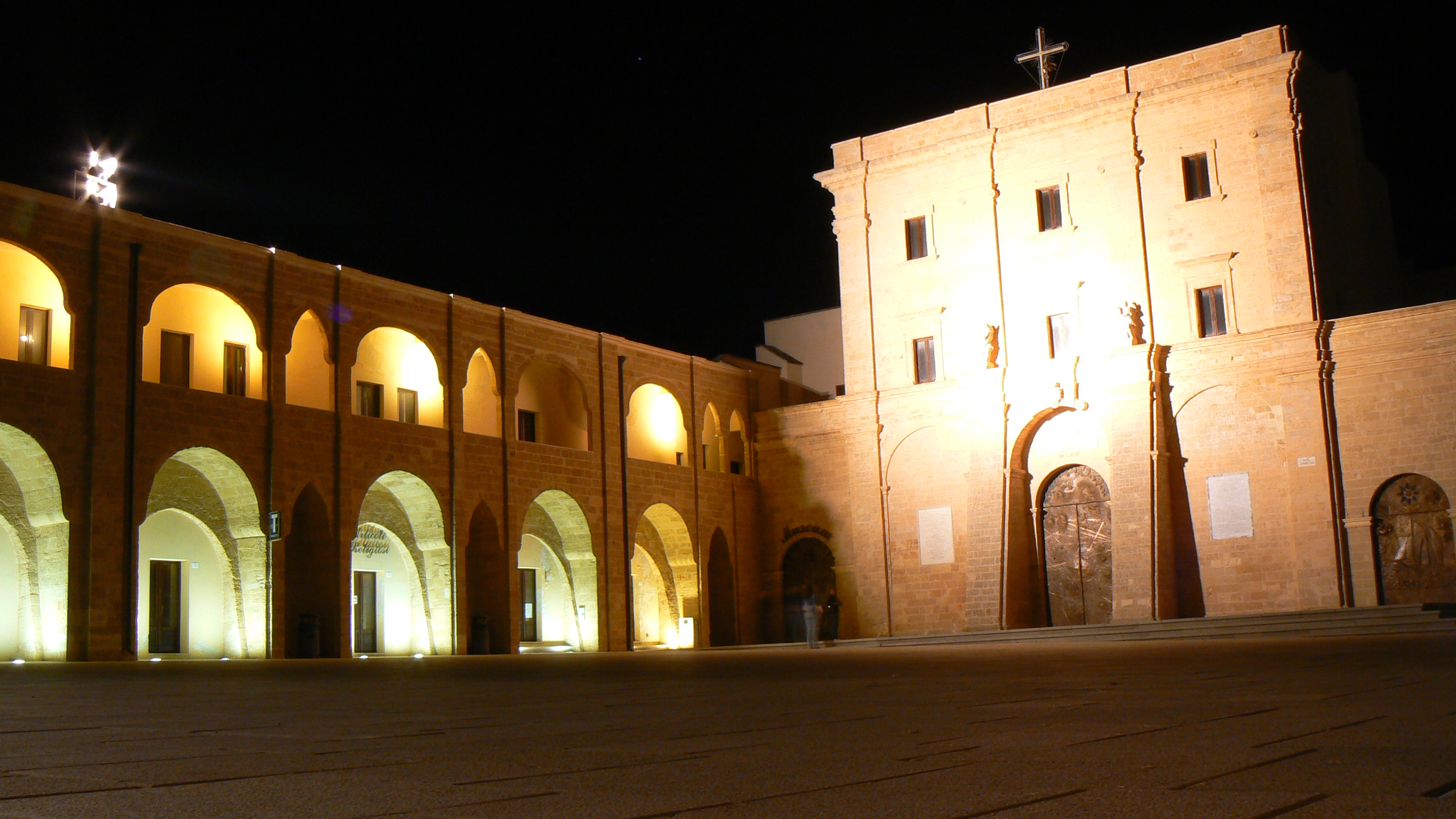
Local culture in Santa Maria di Leuca is vibrant and deeply intertwined with its religious traditions. One of the most celebrated events is the Feast of the Madonna de Finibus Terrae, held annually in early September. During this festival, the faithful participate in a colorful procession that winds through the town, culminating in a mass at the sanctuary. The atmosphere is electric, filled with music, laughter, and the aroma of traditional foods wafting through the streets.
Speaking of food, the local gastronomy is a delightful reflection of the region's agricultural bounty and coastal resources. Visitors can indulge in orecchiette pasta, often served with a rich tomato sauce and accompanied by seasonal vegetables. Fresh seafood is a staple here, with delicacies such as grilled octopus and sea urchin celebrated in many local restaurants. To wash it all down, savor a glass of Primitivo, a robust red wine that pairs beautifully with the region's hearty dishes.
While many come to admire the sanctuary's beauty, a few lesser-known curiosities often elude the average tourist. The area surrounding the sanctuary is dotted with mysterious lighthouses and ancient watchtowers, remnants of a time when coastal defense was paramount. Additionally, the nearby Cave of the Three Doors is steeped in legend, said to have been a hiding place for pirates and treasure seekers. The unique coastal geography, with its jagged cliffs and hidden coves, provides a stunning backdrop for exploration, inviting visitors to wander off the beaten path.
The best time to visit Santa Maria di Leuca is during the spring and early autumn months when the weather is pleasantly mild and the crowds are thinner. This allows for a more intimate experience at the sanctuary and the chance to engage with locals during traditional festivals. It’s advisable to arrive early in the day to enjoy the serenity of the sanctuary before the influx of tourists, and be sure to explore the surrounding area — the breathtaking coastal paths and tranquil beaches are not to be missed.
As you immerse yourself in the rich tapestry of history, art, and culture at Santa Maria de Finibus Terrae, consider using the Secret World app to craft a personalized itinerary that ensures you experience the very best of what this enchanting destination has to offer.


