



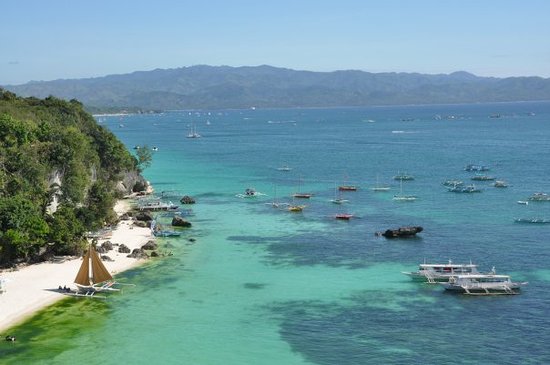
Nestled in the northern part of Boracay Island, Puka Beach offers a serene escape from the bustling crowds that often flood this tropical paradise. Known for its pristine sands and crystal-clear waters, Puka Beach, or *Yapak Beach* as it is formally known, invites visitors to explore its rich history and vibrant local culture.

Puka Beach boasts a unique name derived from the abundance of Puka shells that adorn its shores. These shells have been integral to the island's history, symbolizing a connection to the sea that dates back to ancient times. In the past, the local Aeta people, the indigenous settlers of Boracay, used these shells for decorative purposes and even as currency in trading with neighboring islands. As tourism grew, Puka shells became coveted souvenirs, contributing to the local economy and encouraging efforts to preserve the beach's natural beauty.
Architecturally, Puka Beach maintains a rustic charm. Unlike the more developed areas of Boracay, you'll find no towering resorts or sprawling complexes. Instead, the beach is lined with simple *nipa huts* and small, family-run establishments, offering a glimpse into traditional Filipino coastal life. The minimalistic structures blend seamlessly with the landscape, emphasizing the area's commitment to preserving its natural allure.

Culturally, Puka Beach embodies the spirit of Filipino hospitality and community. The locals, known for their warmth and friendliness, often engage visitors in stories and cultural exchanges. One of the notable cultural events on Boracay is the Ati-Atihan Festival, celebrated in January, which honors the island's indigenous Ati people. While the main festivities occur in Kalibo, echoes of the celebration reach Boracay, including Puka Beach, where locals and visitors alike partake in the vibrant displays of dance and music.
When it comes to gastronomy, Puka Beach serves as a delightful introduction to Filipino cuisine. Visitors can savor freshly caught seafood cooked to perfection, with dishes like grilled squid and adobo prawns being local favorites. For a refreshing treat, try the buko shake, a coconut-based beverage that perfectly complements the beach's tropical setting. The food here is often enjoyed with a side of breathtaking sunset views, making every meal a memorable experience.
One of the lesser-known curiosities of Puka Beach is its role as a nesting ground for sea turtles. Conservation efforts are in place to protect these gentle creatures, and lucky visitors might witness the enchanting sight of hatchlings making their way to the sea. Additionally, the beach's relatively undeveloped state makes it a great spot for spotting various species of birds and other wildlife, offering a more tranquil and intimate experience with nature.
For practical visitor information, the best time to visit Puka Beach is during the dry season, from November to April, when the weather is most favorable for beach activities. Arriving early in the morning or later in the afternoon can help you avoid the midday heat and larger crowds. While the beach is accessible by tricycle or boat from the main parts of Boracay, renting a motorbike can provide a more flexible way to explore at your own pace.
As you wander the shores of Puka Beach, keep an eye out for the intricately designed jewelry made from the eponymous shells. These pieces are not only beautiful souvenirs but also a direct contribution to the local artisans who craft them with great skill and tradition.
Puka Beach is more than just a picturesque locale; it is a testament to the enduring connection between the land, sea, and people of Boracay. By visiting this tranquil spot, you participate in a narrative that honors both the island's past and its sustainable future.
