



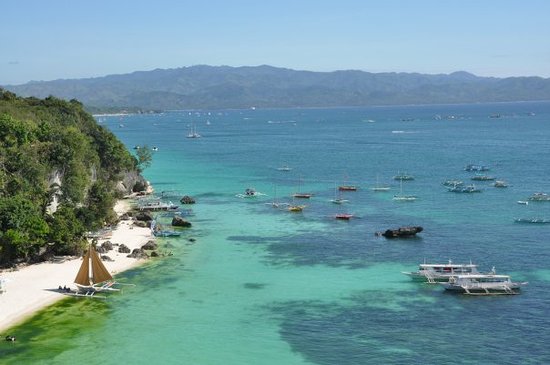
Nestled on the northern tip of the vibrant island of Boracay, Puka Beach in Yapak is a sanctuary of natural beauty and cultural intrigue, offering a serene escape from the island’s more bustling locales. Known officially as Yapak Beach, this stretch of coastline is famed for its coarse sand mixed with the remnants of crushed Puka shells, a feature that not only gives the beach its name but also connects it deeply to the island's heritage.

The history of Puka Beach is intrinsically linked to the indigenous Ati people, the earliest settlers of Boracay, who have lived on the island for centuries. These forests and shores were their home long before the island became a global tourism hotspot. The Ati have traditionally used the island's natural resources cautiously, maintaining a harmonious balance with their environment. The beach itself gained international attention in the 1970s when Jacques Cousteau, the famous French oceanographer, highlighted its unique shell-laden sands in his travels, sparking the interest of shell collectors worldwide.
When it comes to art and architecture, most of the structures around Puka Beach are understated, blending harmoniously with the natural environment. Unlike the more developed parts of Boracay, Puka Beach has avoided the influx of mega-resorts, preserving its rustic charm. The architecture here is predominantly nipa hut-style, constructed using local materials such as bamboo and nipa palm leaves, embodying the traditional Filipino approach to sustainable building. This simplicity allows for a focus on the natural beauty and tranquility of the surroundings, which is often captured in the work of local artists whose paintings and crafts reflect the vibrant colors and serene landscapes of the area.

Culturally, Puka Beach is a testament to the enduring traditions of Boracay's native communities. The Ati-Atihan Festival, celebrated annually in January, is a vibrant manifestation of local culture, with roots dating back to pre-colonial times. Though primarily held in Kalibo, the spirit of the festival permeates throughout the island, including Yapak. Visitors to Puka Beach might catch glimpses of the Ati-Atihan’s influence, with locals donning traditional costumes and performing age-old dances, celebrating their history and connection to the land.
The gastronomic offerings near Puka Beach are a delightful dive into Filipino cuisine. Seafood, freshly caught from the surrounding waters, features prominently in local dishes. Grilled lapu-lapu (grouper) or sinigang na hipon (shrimp in sour soup) are must-tries. Coconut-infused dishes, such as ginataang alimango (crabs in coconut milk), are popular, reflecting the abundance of coconuts in the region. Wash it all down with a refreshing glass of buko juice (coconut water), which is both a local staple and a perfect thirst-quencher on a hot day.
For those seeking lesser-known curiosities, Puka Beach offers a few hidden gems. One intriguing aspect is the beach’s role as a natural turtle sanctuary. While it is not widely publicized to protect these creatures, those visiting at the right time might witness the awe-inspiring sight of baby turtles making their way to the sea. Additionally, the kaleidoscope of colors at sunset is a spectacle in itself, often less crowded than other Boracay points, offering a more intimate experience.
Practical information is crucial for making the most of a visit to Puka Beach. The best time to visit is during the dry season, from November to May, when the weather is most favorable for beach activities. The beach is accessible by tricycle or motorcycle from the main areas of Boracay, with a scenic ride that sets the tone for a day of relaxation. Visitors should be prepared for minimal facilities, as the beach maintains its rustic appeal deliberately. Bring essentials like water, sunblock, and a picnic if you plan to stay for the day. Look out for the small stalls along the beach selling handcrafted jewelry made from puka shells, a perfect souvenir that supports local artisans.
Puka Beach in Yapak is more than just a beautiful spot in Boracay; it is a living museum of the island’s natural wonders and cultural richness. Whether you’re basking in its history, savoring local flavors, or simply enjoying the serene beauty, Puka Beach is a destination that promises an authentic and enriching experience.
