
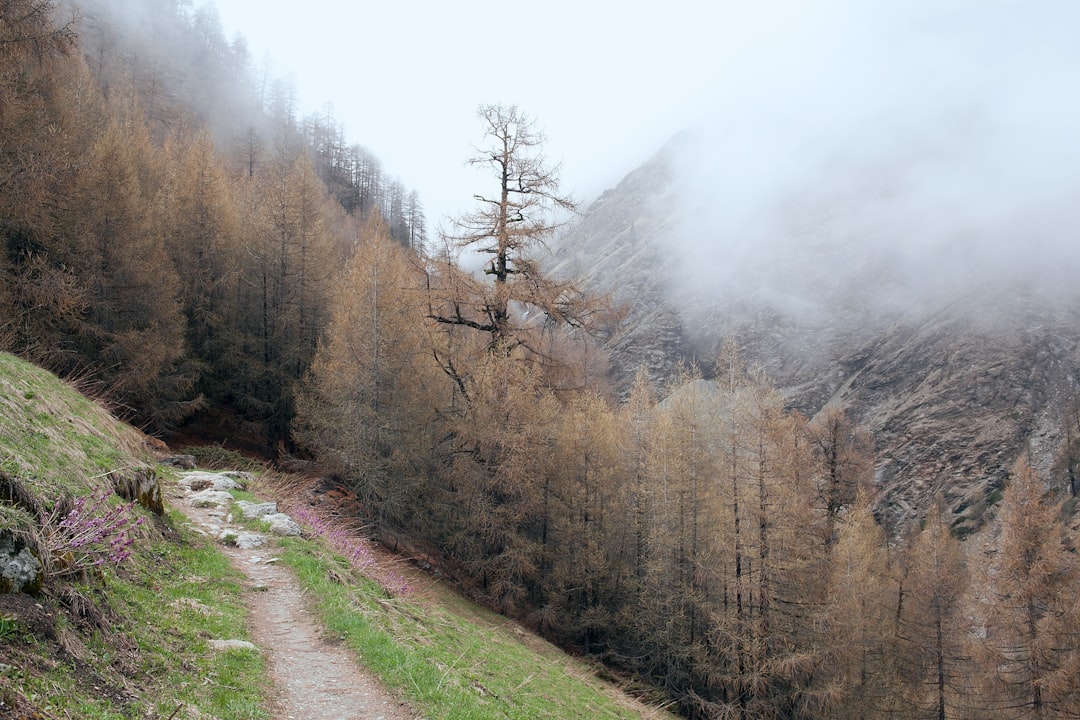

At 5:45 in the morning, the path leading to Preikestolen is enveloped in almost total silence. The footsteps on the granite rocks resonate clearly in the cold air, and the light has not yet reached the ridge. Those who climb at this hour — before six, before the tour buses drop off their passengers at the Preikestolenhytta parking lot — find something rare: the edge of the cliff almost deserted, with the Lysefjord beginning to light up from below, as if the light were emerging from the water itself.
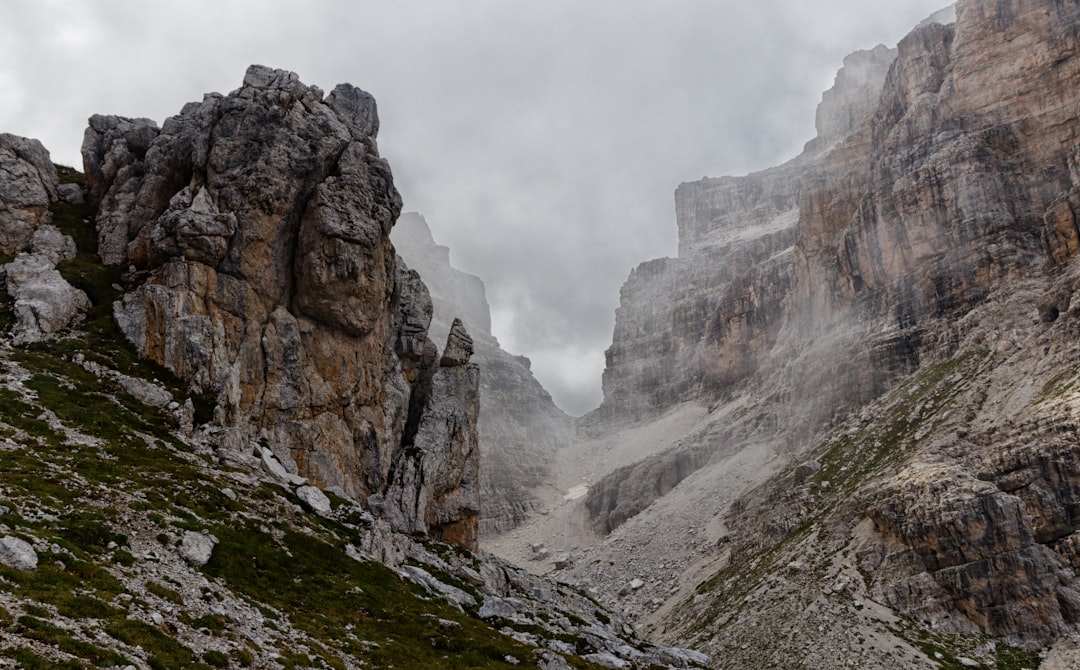
Preikestolen, known in English as Pulpit Rock, is a natural granite platform located 604 meters above the level of the Lysefjord, in the municipality of Forsand in the Rogaland region of Norway. The platform measures about 25 meters by 25 meters and is the result of millennia of glacial erosion that has fractured the rock along vertical lines of weakness. It is not a human creation, it has not been modified, it has no railings: it is simply a block of stone that juts out into the void above one of the deepest fjords in Norway.
The light of the alpenglow and the colors of granite
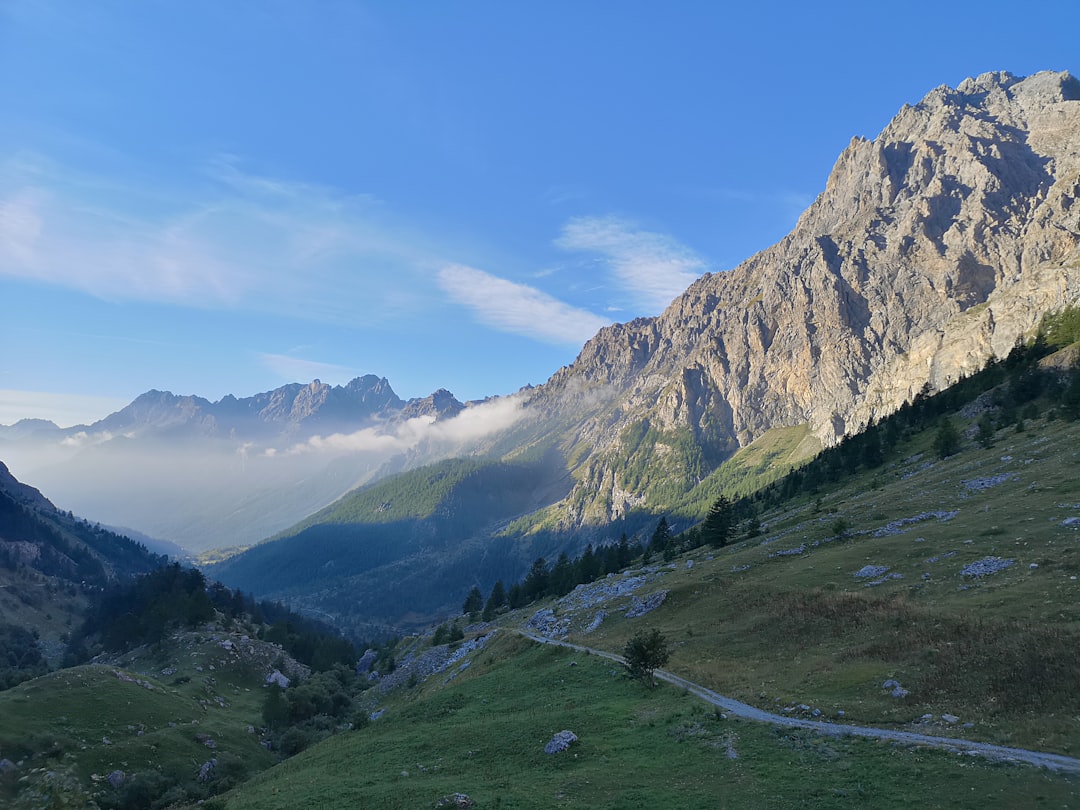
Those who arrive before dawn witness a chromatic transformation that midday photographs do not show. In the hour before sunrise, the granite of the platform shifts to shades of dark amber and burnt orange. This phenomenon — called alpenglow — occurs when the low-angle sunlight strikes the rocky surfaces, enhancing the iron minerals present in the stone. The Lysefjord below you appears at that moment like a strip of molten metal, with reflections changing from minute to minute.
At noon, with the sun high, the same rock appears gray and uniform, and the fjord becomes a flat blue-green ribbon. The difference is substantial: the slanting light of dawn reveals the texture of the stone, the cracks, the ochre hues that direct light completely flattens. For those who want to photograph or simply see the place in its most dramatic version, the morning hour is not an option but a fundamental choice.
The path: how difficult is it really
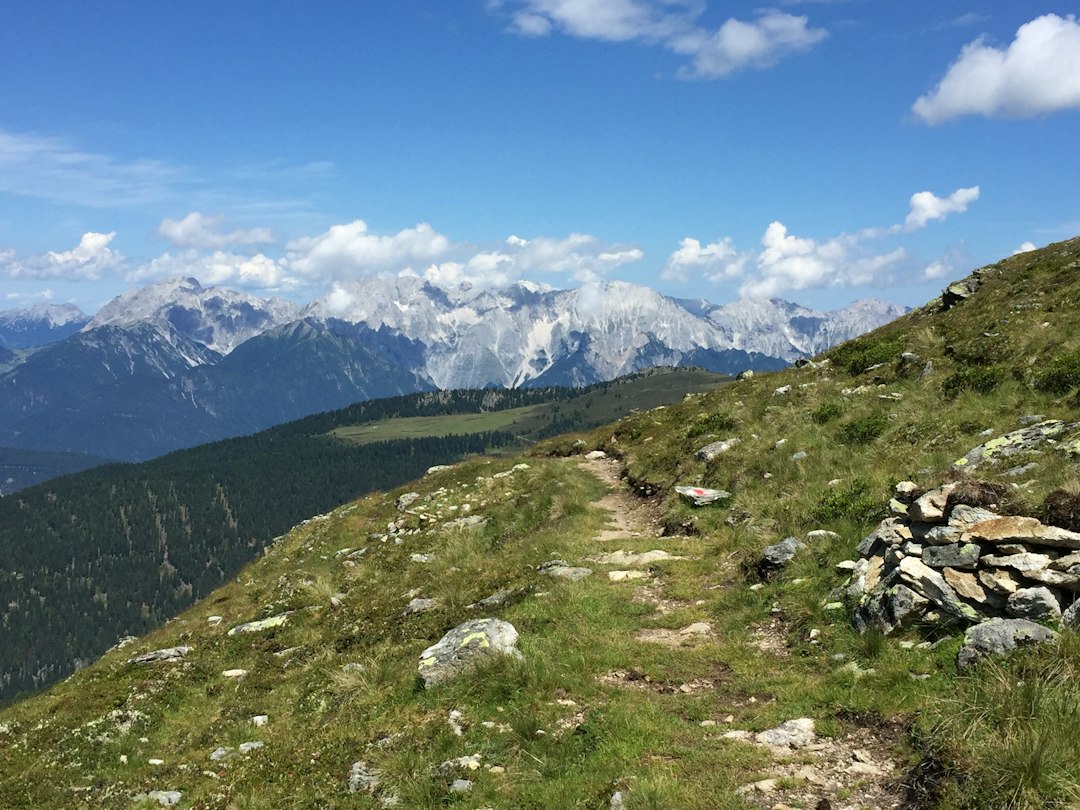
The trail starts from the parking lot of Preikestolenhytta, accessible by car from Stavanger via the ferry that crosses the Høgsfjord between Stavanger and Tau — a crossing of about 40 minutes. From Tau, you continue by car for about 17 kilometers to the parking lot. The walking route is about 8 kilometers round trip, with a positive elevation gain of about 330 meters. The average time to complete is 4-5 hours total, including the stop at the top.
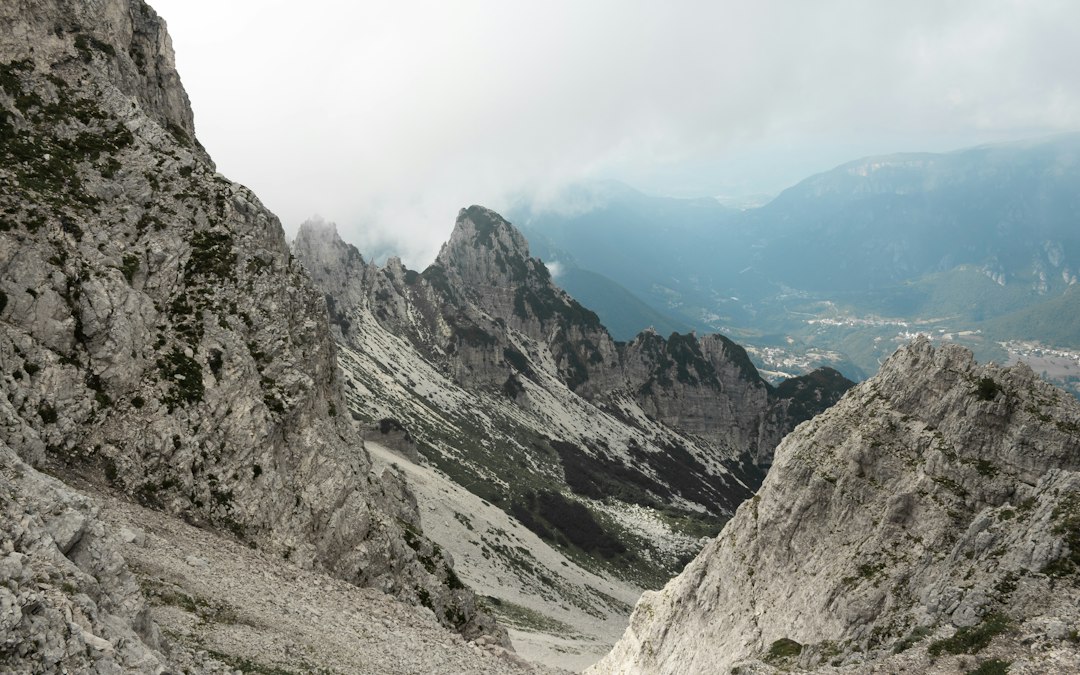
The trail is not technically difficult, but it requires hiking shoes with a sturdy sole: wet granite is slippery, and some sections cross marshy areas where stone slabs have been placed to facilitate passage. In the summer months — from June to August — the trail is frequented by tens of thousands of people each day, making the final platform crowded during peak hours. Starting before six in the morning means finding the summit with only a few dozen people at most, often less.
What can be seen from the platform
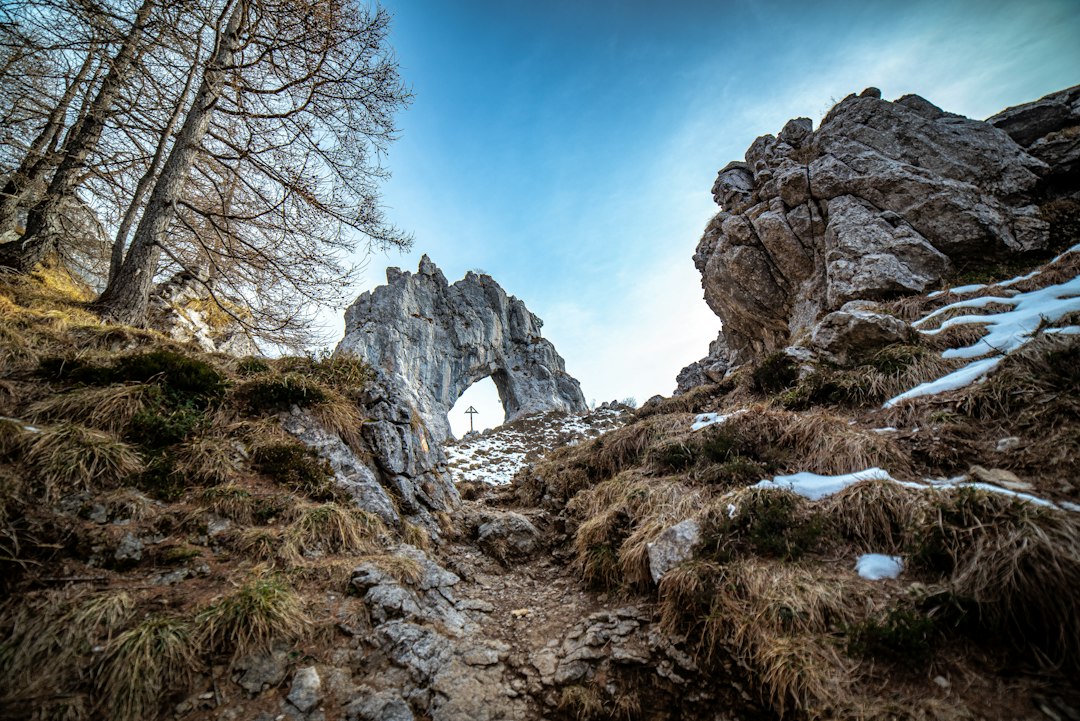
From the platform, the Lysefjord stretches for about 42 kilometers in an east-west direction. The walls of the fjord drop almost vertically into the water, and at certain points the depth of the fjord exceeds 400 meters. Looking down, you can see the cruise ships traveling through the fjord — from the Preikestolen they appear as miniature objects, which gives an immediate and physical sense of height.
On the edge of the platform, there are visible cracks that run through the granite: these are real fractures that geologists monitor periodically, although current projections indicate that the rock is stable on human timescales. Many visitors sit with their feet dangling into the void — there is no formal prohibition — but the feeling of being 604 meters up without any protections is something that the body registers very concretely.
Practical tips for organizing the visit
The best time to visit Preikestolen is between May and September, when the trail is free of snow and conditions are safe. In winter, the path is only passable with appropriate equipment and knowledge of local weather conditions. Parking at Preikestolenhytta is paid — about 200 Norwegian crowns for a car — and during the summer months it fills up quickly: arriving by 5:30 in the morning guarantees a spot and allows you to start the ascent in near-darkness, with the light growing during the hike.
Bringing enough water is essential: there are no supply points along the trail. The temperature at the top can be significantly lower than at the base, and the wind on the edge of the platform is often strong even on summer days. A second thermal layer in the backpack is a precaution that almost all morning visitors find useful.


