


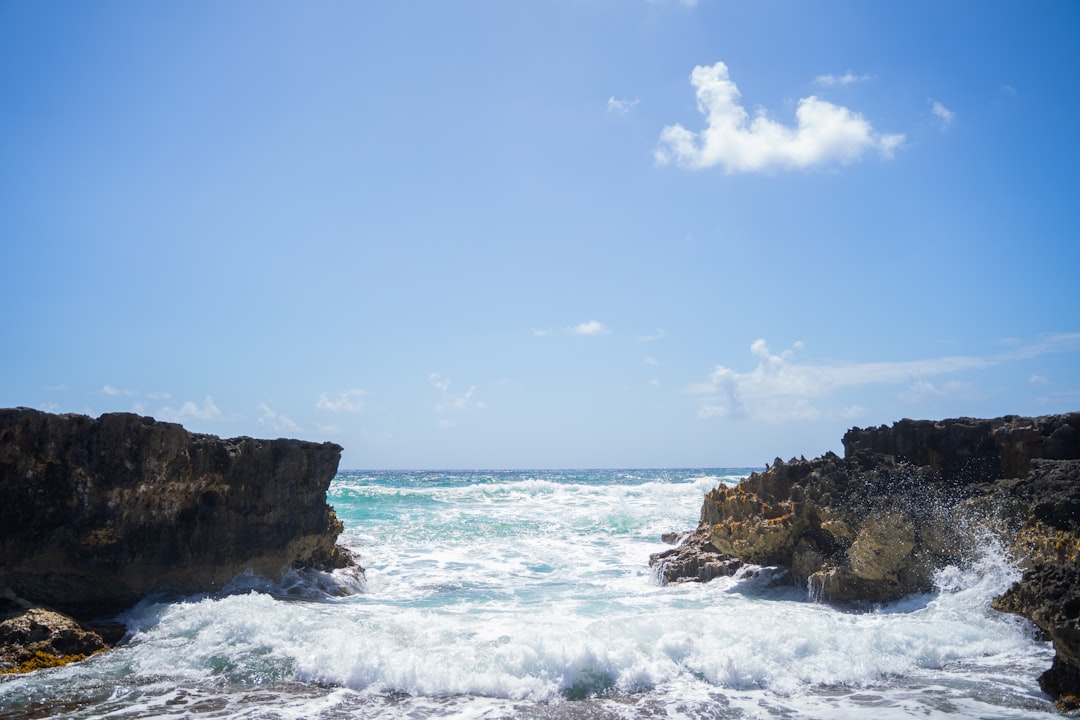
The sea changes color at least four times before touching the shore. From the deep blue of the open ocean, it shifts to the intense turquoise of the waters just above the coral reef, then turns to emerald green in the sandy bottoms, and finally lightens to a milky white where the waves break on the edges of the emerging coral. This chromatic spectacle is the first thing noticed upon arriving at Punta Sur Eco Beach Park, the natural park that occupies the southern tip of the island of Cozumel, in the Caribbean Mexico.
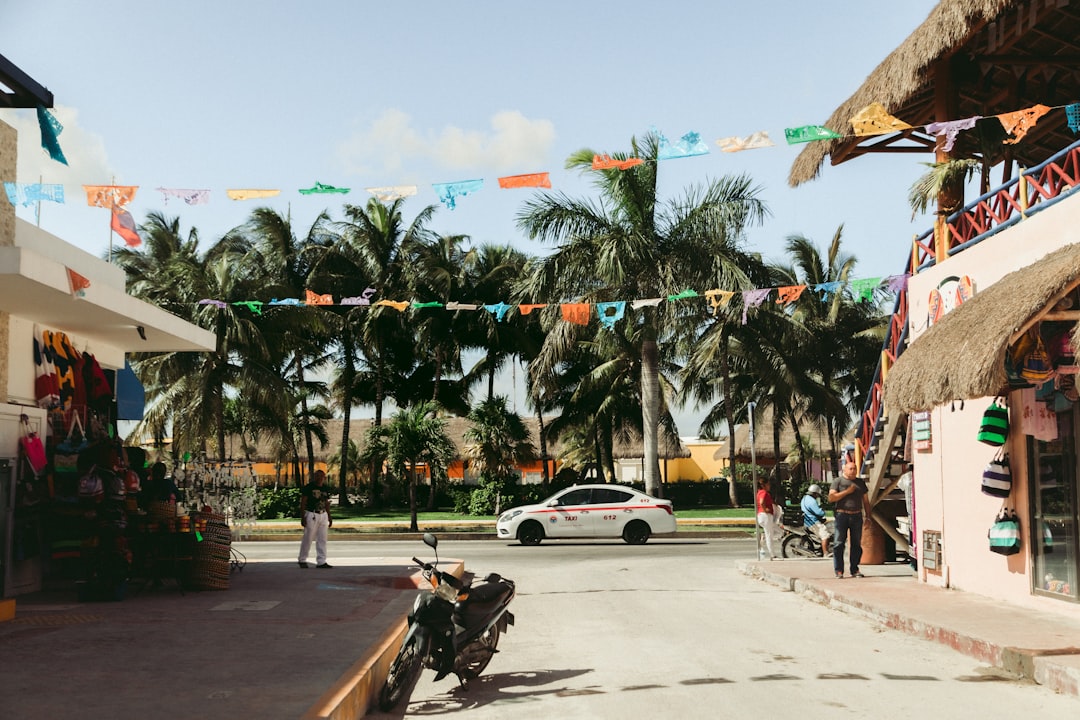
We are far from the equipped beaches of the island's center, from the lined-up sun loungers and cocktails served directly in the water. Here the landscape is raw, almost hostile in its beauty: the coast is jagged with coral formations emerging from the light sand, the wind almost always blows with a certain insistence, and the tropical vegetation reaches the edges of the beach leaving no room for accommodations. It is one of the few coastal stretches of Cozumel that remain in a state close to the original.
A protected ecosystem at the edge of the sea

The park extends over approximately 247 hectares in the southernmost part of Cozumel and includes not only the Atlantic coast but also an inland lagoon, Laguna Colombia, and a second lagoon called Laguna Chankanaab, separated from the mainland by strips of mangroves. These wetlands are essential habitats for numerous species of migratory and resident birds, easily observable in the early morning hours along the trails that line the lagoons.
The main beach of the park is unlike any other in Cozumel: the sand is white but mixed with coral fragments, giving it an irregular texture and a slightly pinkish hue at certain times of the day when the afternoon light hits it obliquely. One cannot swim carefreely everywhere — the Atlantic currents are strong and the seabed is dotted with coral formations, requiring caution — but the view of the water from the shore is among the most spectacular on the entire island.
The lighthouse and the maritime history of Cozumel
Within the park stands the Celarain Lighthouse, a white tower built in 1900 that has guided vessels along this dangerous coast for over a century. The lighthouse is still operational and represents one of the most recognizable visual landmarks of the southern tip. It is possible to climb to the top — the structure has about 134 steps — and from there the view encompasses the entire eastern coast of the island, with the sharp contrast between the dark blue of the open sea and the turquoise strip above the coral reef. Next to the lighthouse is a small museum dedicated to navigation and local maritime history, featuring period nautical instruments and documents that recount the shipwrecks that have occurred in these waters.
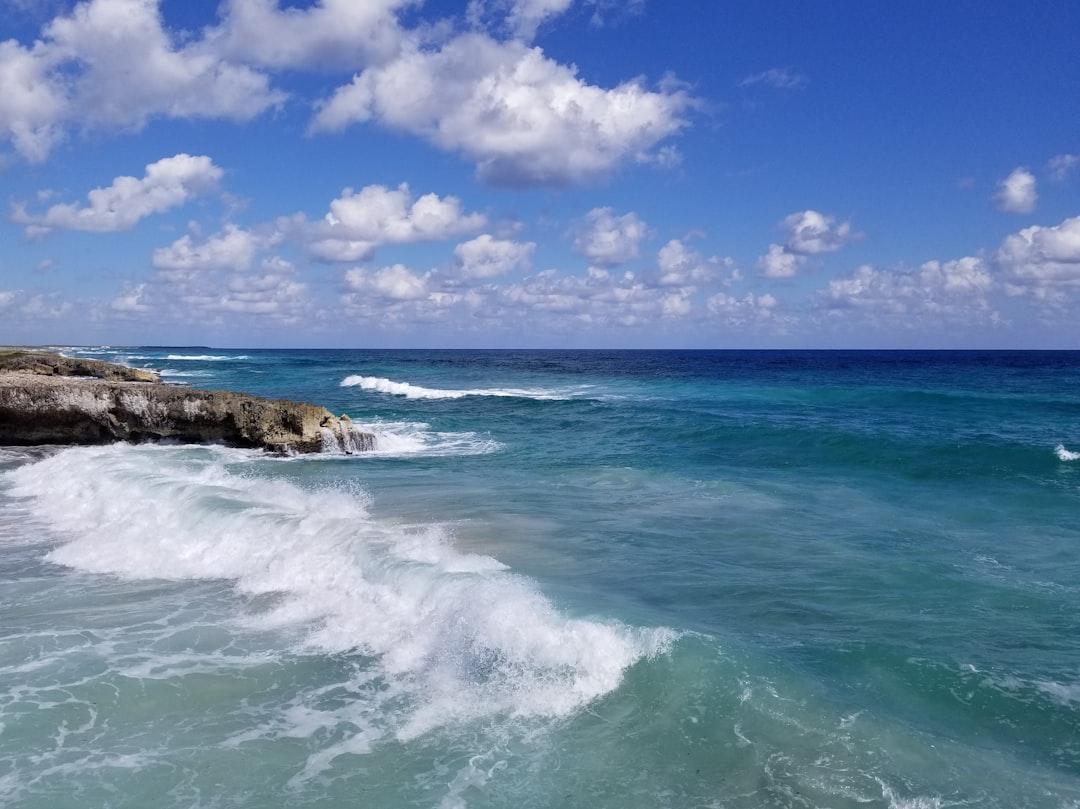
The location of the lighthouse is not random: the southern tip of Cozumel has historically been one of the most treacherous stretches of sea in the Yucatán Channel, crossed by powerful currents that have caused numerous incidents over the centuries. Even today, looking at the sea from this position, one can clearly perceive the difference between the choppy waters of the Atlantic and the relative calm of the Caribbean side of the island.
The iguanas and the fauna of the park
One of the most unexpected aspects of Punta Sur is the massive presence of wild iguanas (Iguana iguana), which populate the coastal vegetation in surprising numbers. This is not a sanctuary in the strictest sense of the term — the iguanas live freely in their natural habitat — but the park actively protects this population that has decreased in other areas of the island due to urbanization. Approaching the edges of the vegetation, it is common to encounter large specimens, even over a meter in length, completely at ease with human presence.
In addition to iguanas, the park is home to American crocodiles in the internal lagoon, numerous species of birds including herons, flamingos passing through during migrations, and a rich marine fauna visible even from the shore on calm sea days.
How to visit Punta Sur: practical information
The park can be reached by traveling along the eastern coastal road of Cozumel heading south, about 16 kilometers from the center of San Miguel. The road is paved but narrow, and the scooter ride — a typical mode of transport on the island — takes about 30-40 minutes from the port. The entrance fee is around 180-200 Mexican pesos per adult, subject to seasonal variations.
The best time to visit is in the early morning, preferably before 9:00 AM: the light is more favorable for photography, the heat is bearable, the animals are more active, and organized groups have not yet reached the park. Allow at least three hours to visit the beach, climb to the lighthouse, and walk the lagoon trails. Bring plenty of water — refreshment points inside are limited — and closed shoes for walking on the coral sections.


