



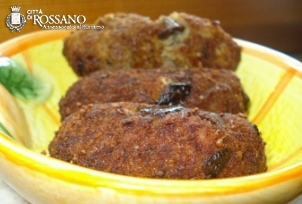
Nestled in the heart of Calabria, Rossano is a hidden gem that brims with history, culture, and culinary delights. As you wander through its narrow streets, the aroma of Polpette di Melanzane (eggplant meatballs) wafts invitingly from local kitchens, a testament to the town's rich gastronomic heritage.
The origins of Rossano trace back to ancient times, with its history deeply intertwined with the Byzantine Empire. Known as Rossano Byzantium, the city was a significant center of power and culture during the Middle Ages. The Codex Purpureus Rossanensis, an extraordinary 6th-century illuminated manuscript, is a testament to this era. This UNESCO World Heritage site, housed in the Diocesan Museum, is one of the most remarkable artifacts of early Christian art, showcasing the city’s historical significance.
Rossano's architecture is a visual narrative of its diverse past. Walking through its streets, you'll encounter Byzantine churches, such as the Cattedrale di Maria Santissima Achiropita, with its stunning frescoes and intricate mosaics. The influence of various cultures is also evident in the town’s urban planning, where narrow alleys open into unexpected piazzas, offering glimpses of the past at every corner.
The cultural tapestry of Rossano is as vibrant as its history. Local festivals like the Festa della Madonna Achiropita in August provide a window into the town’s traditions. This festival, dedicated to the town’s patron saint, features religious processions, music, and traditional dance, drawing visitors into the heart of Calabrian life. The celebration is a blend of solemnity and festivity, reflecting the community’s deep-rooted spiritual and cultural values.
Rossano's culinary scene is a delightful reflection of its agricultural bounty. The Polpette di Melanzane is a beloved dish, emblematic of the region’s use of fresh, local ingredients. Eggplants, a staple of Calabrian cuisine, are transformed into these savory meatballs, often flavored with pecorino cheese, breadcrumbs, and fresh herbs. This dish, like many others from Rossano, highlights the simplicity and richness of Southern Italian cooking. Pair it with a glass of Cirò, a robust local red wine, and you have a meal that tells a story with every bite.
Beyond its historical and culinary appeal, Rossano offers lesser-known curiosities that intrigue those willing to explore further. The Liqurizia Amarelli Museum is dedicated to the town's famous licorice production, a tradition dating back to the 18th century. Here, visitors can learn about the intricate process of licorice-making and taste the unique flavors that have made Amarelli a household name across Italy.
For practical tips, the best time to visit Rossano is in the spring or early autumn. The weather is pleasantly mild, ideal for exploring both the historical sites and the surrounding countryside. Transportation within the town is best on foot, allowing you to fully appreciate its charming streets and hidden corners. Don't miss the chance to visit local markets, where fresh produce and artisanal goods reflect the region’s rich agricultural heritage.
In Rossano, every corner tells a story, and each dish offers a taste of history. Whether you're exploring its ancient roots, marveling at its architectural beauty, or savoring its culinary creations, Rossano is a destination that captivates the senses and enriches the soul.
