



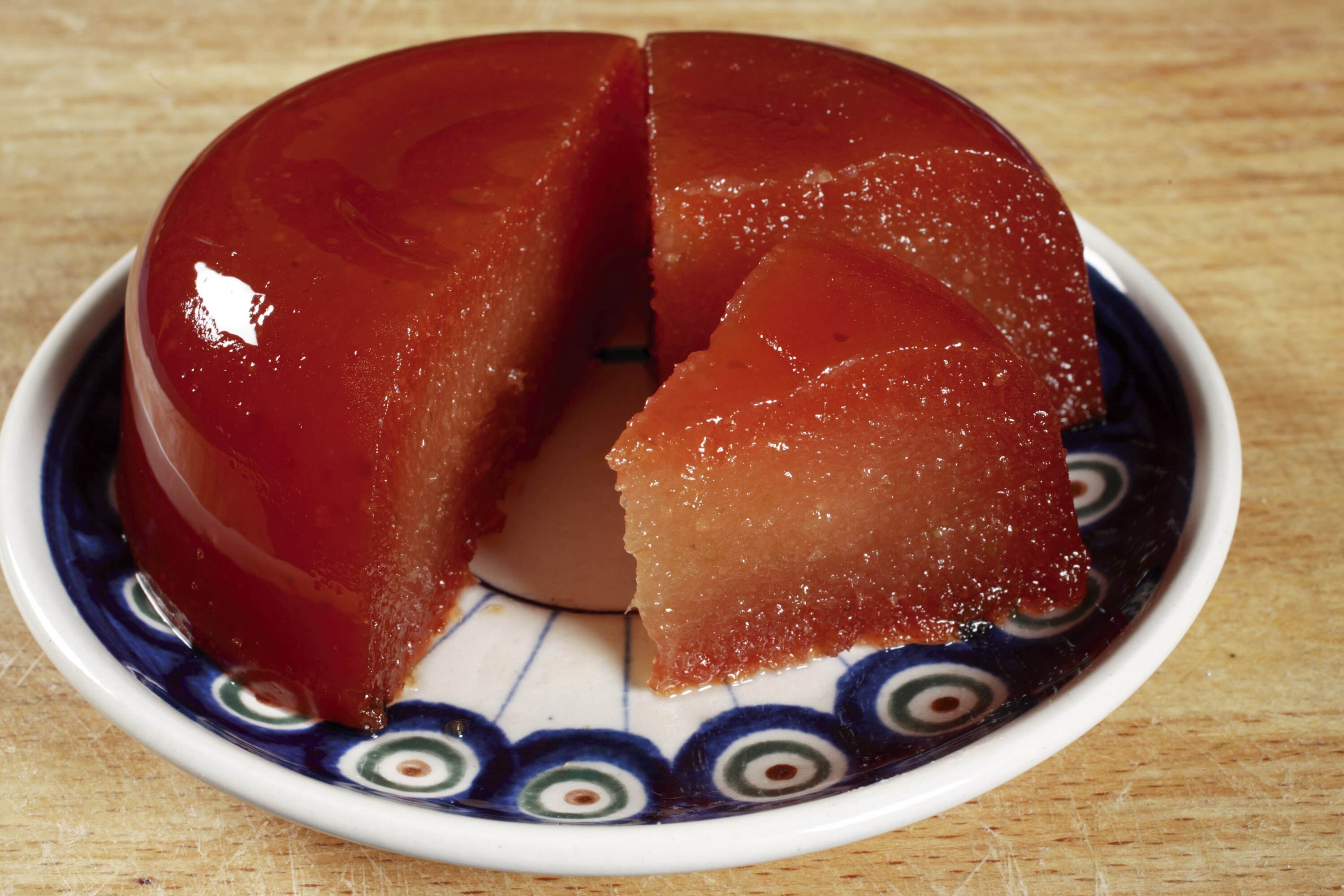
In the heart of Abruzzo, a region steeped in history and culinary tradition, the quince—or Cydonia vulgaris—stands out not just as a fruit but as a symbol of the rich agricultural heritage that defines this area. Renowned for its tartness and aromatic qualities, quince has been transformed into sweet jams and pastes, particularly the beloved cotognata, which has a storied place in local cuisine.
The origins of quince cultivation can be traced back to ancient civilizations. In Greece, it was often associated with love and fertility, while the Romans regarded it as a prized fruit, praising its astringent properties. The De re Rustica, a seminal work by Columella from the 1st century AD, includes early recipes that highlight the significance of quince in preservation methods, showcasing how this fruit has been valued for centuries.
As we delve into the rich tapestry of Abruzzo's past, it’s fascinating to note that quince was once utilized in various medicinal practices. Ancient remedies often included quinces for their digestive properties, and this tradition of using the fruit in both culinary and health aspects has persisted through the ages. By the 1600s, quince began to be paired with must—grape juice that has not yet fermented—creating a sweeter preserve that paved the way for modern recipes. The introduction of refined sugar in the 18th century revolutionized quince preservation, leading to the delightful jams and conserves we enjoy today.
The architectural landscape of Abruzzo is as varied as its culinary offerings. The region is dotted with medieval castles, ancient churches, and charming villages, many of which reflect the artistry and craftsmanship of bygone eras. Notable structures include the Castello Piccolomini in Celano, a stunning example of Gothic architecture, and the Basilica di Santa Maria di Collemaggio in L’Aquila, an exquisite representation of Romanesque style adorned with intricate frescoes.
The culture of Abruzzo is deeply intertwined with its agricultural traditions. Festivals celebrating the quince and other local produce are common, particularly in autumn when the fruit is harvested. One such event is the Sagra della Cotognata, held annually in various towns, where visitors can sample different variations of quince paste and jam while enjoying traditional music and dance. These festivals not only celebrate the fruit but also strengthen community bonds, showcasing the region’s pride in its culinary heritage.
Quince is not just a staple of local jams; it plays a vital role in the broader gastronomic landscape of Abruzzo. The fruit is often paired with local cheeses, enhancing their flavors with its tartness. Additionally, quince-infused liqueurs and spirits can be found, further exemplifying the region's resourcefulness in utilizing its produce. The combination of quince with pecorino cheese creates a delightful contrast, making it a favorite among local food enthusiasts.
One lesser-known curiosity about quince is its historical use in creating fragrant pomanders, a practice dating back to the Middle Ages. These aromatic balls, made from quince and spices, were used to scent homes and ward off unpleasant odors, a testament to the fruit's versatility beyond the culinary realm. Moreover, despite its tangy flavor when raw, quince has been revered for its ability to enhance other dishes, a quality that many visitors overlook when exploring local cuisine.
For those wishing to explore the wonders of Abruzzo and its quince heritage, the best time to visit is during the autumn months, particularly from September to November. This is when the quince is in season, and local festivals paint the towns in vibrant colors, filled with laughter and the sweet aroma of cooking quince. It’s advisable to visit local markets where you can interact with producers and sample fresh quince products.
When exploring, keep an eye out for artisan producers who still use traditional methods, such as cooking quince in copper pots, which enhances the final product's flavor and texture. Many small-scale producers offer workshops where you can learn the art of quince preservation firsthand, making for an unforgettable experience.
As you plan your journey to the heart of Abruzzo, consider using the Secret World app to curate a personalized itinerary that highlights the unique flavors and rich traditions of this enchanting region.
