
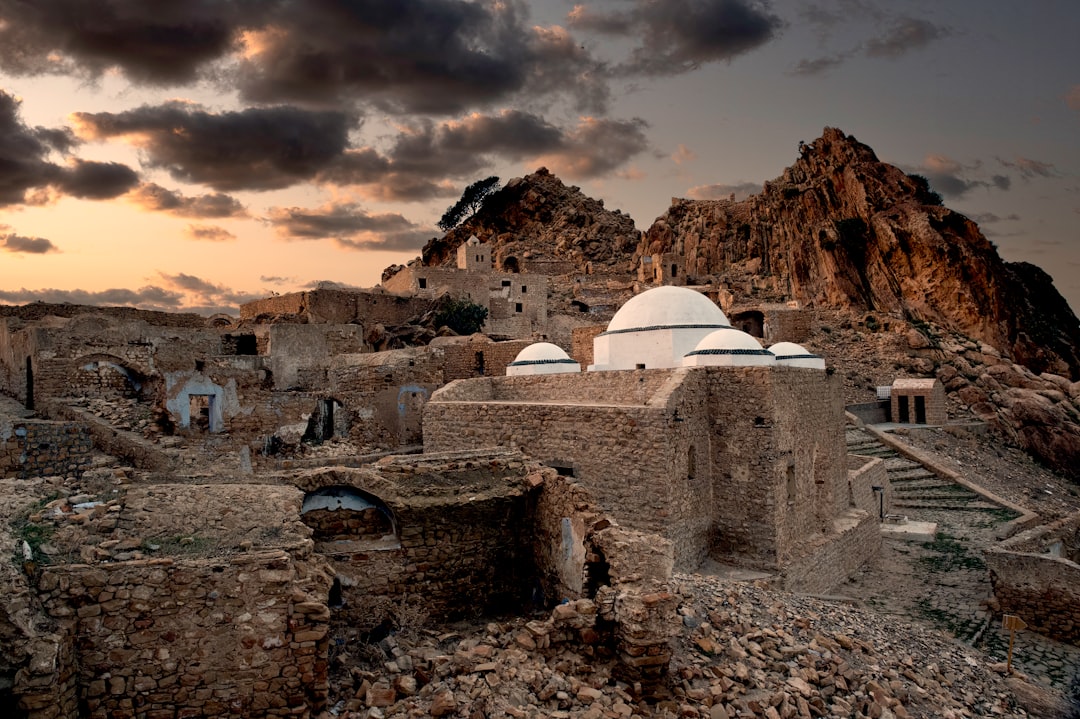

In the heart of the Jordanian desert, just a few kilometers from the city of Amman, stands Quseir Amra, a fascinating castle that tells stories of a distant era. Built between 723 and 743 AD during the reign of Walid Ibn Yazid, a future Umayyad caliph, this site is an extraordinary example of early Islamic architecture and art. Its historical significance is such that it has been recognized as a UNESCO World Heritage site.

Quseir Amra is not just a castle, but a royal retreat devoid of military functions, designed as a place for leisure and relaxation. The current structure, which preserves only a part of the original complex, is a small cabin that offers a glimpse into the aristocratic life of the time, with architectural and decorative elements that amaze visitors.
History and Origins

The origins of Quseir Amra date back to a period of great expansion and cultural development of the Umayyad Empire. Built at the behest of Walid II, the castle served as a refuge for the nobility, away from the political tensions of the cities. The choice of location, in a desert area, reflected the desire for isolation and tranquility, typical of royal residences of the time.
The castle is characterized by simple yet elegant architecture, with a rectangular layout that included an audience hall, hydraulic structures, and a hammam. The latter is one of the oldest examples of a Turkish bath in the Islamic world, testifying to the sophistication and importance of bathing culture in the medieval era.
Elements to Observe
One of the most fascinating features of Quseir Amra is its frescoes, which mainly adorn the ceilings of the internal rooms. These works of art depict scenes of hunting, dancing, and portraits of rulers, as well as the representation of the Jonah cycle, a rare theme in Islamic decoration. The vibrant colors and intricate details of these paintings offer a unique insight into the life and beliefs of the era.
Moreover, the Turkish bath, with its well-preserved structures, allows visitors to imagine the social and hygienic practices of the Umayyad nobility. The presence of decorative and architectural elements, such as columns and arches, adds another level of interest to this historical site, making it a must-visit for history and art enthusiasts.
Why It Is Interesting Today
Today, Quseir Amra represents not only an important tourist attraction but also a symbol of Jordan's rich cultural heritage. Its inclusion in the World Heritage list underscores the importance of preserving these historical sites, which offer a tangible connection to the past. The artistic beauty of the frescoes and the architecture of the castle continue to amaze visitors, making it a landmark for scholars and tourists alike.
In an era where globalization tends to homogenize cultures, Quseir Amra reminds us of the importance of valuing and preserving historical and artistic specificities. Visiting it means immersing oneself in a fascinating history and discovering the roots of a civilization that has profoundly influenced the world.
Practical Information for Visitors
For those wishing to visit Quseir Amra, it is advisable to plan the visit in advance, considering that the site is about 100 kilometers from Amman. It can be reached by car or by participating in organized tours that include other attractions in the region. A visit to the castle takes a couple of hours, allowing for exploration of the rooms and admiration of the frescoes at a leisurely pace.
It is important to bring water and sun protection, as the desert climate can be extremely hot, especially in the summer months. Finally, for those looking to deepen their cultural experience, the Secret World app offers useful information and insights about the places to visit, making each exploration even richer and more meaningful.


