



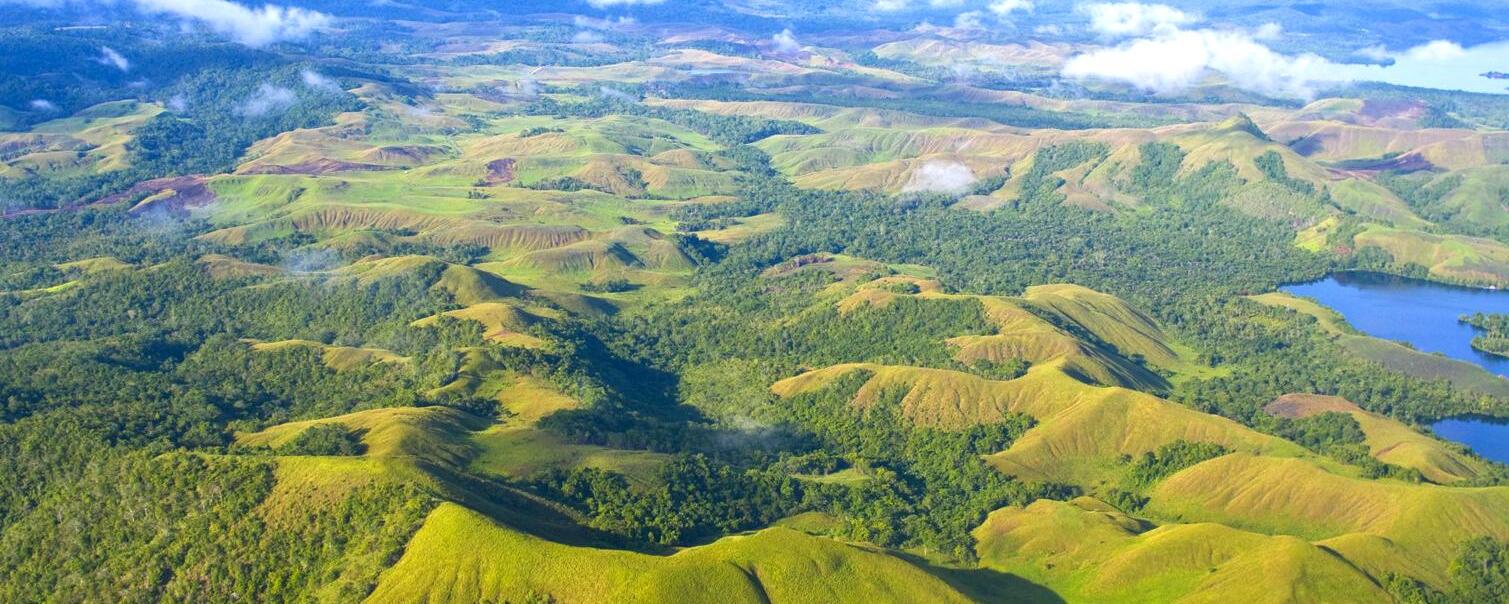
In the heart of Papua New Guinea lies Rabaul, a city steeped in a rich tapestry of history and natural beauty. Known for its stunning landscapes dominated by the towering Tavurvur volcano, Rabaul is a portal into a world where ancient traditions intersect with a tumultuous past.
History and Origins
The history of Rabaul is as vibrant as its surroundings. Originally inhabited by the Tolai people, the area has been significant for thousands of years. European contact began in 1767 when British explorer Samuel Wallis anchored nearby, marking the beginning of a series of explorations that would eventually lead to colonial interest.
In the late 19th century, Rabaul became the capital of German New Guinea, a position it held until World War I when Australian forces seized control. Following the war, it became the capital of the Australian protectorate of the New Guinea Territory. However, the city's most dramatic chapter unfolded during World War II. On January 23, 1942, Japanese forces captured Rabaul, transforming it into a pivotal military base in the Pacific theater. The city was heavily bombed by Allied forces, leading to significant destruction.
The most cataclysmic event in Rabaul's history occurred in 1994, when the Tavurvur volcano erupted, burying much of the city under ash and forcing a mass evacuation. Today, the remnants of this volcanic eruption serve as a poignant reminder of nature's power and the resilience of its inhabitants.
Art and Architecture
Rabaul’s architecture reflects a blend of colonial influences and indigenous styles. The remnants of pre-eruption buildings, such as the St. Francis Xavier Catholic Church and the Rabaul Historical Society Museum, showcase the ornate craftsmanship of the early 20th century. The museum, in particular, is a treasure trove of artifacts, including items from the German colonial era and World War II.
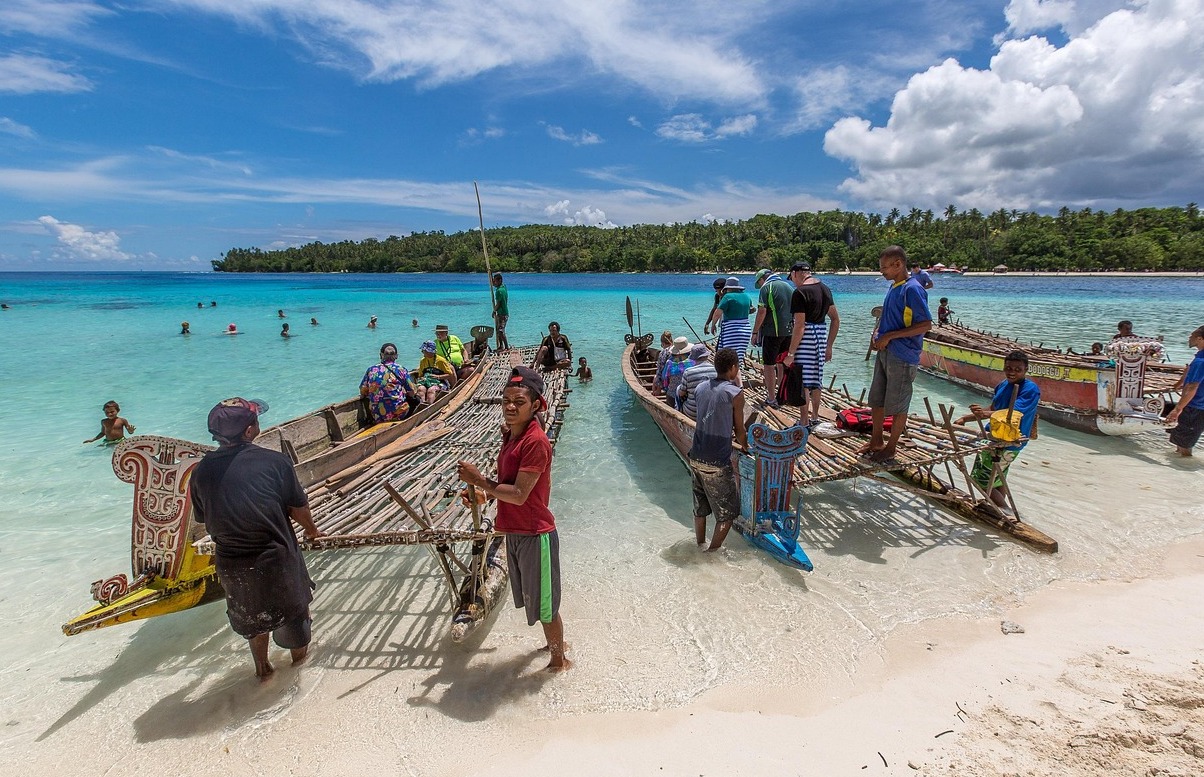
Art in Rabaul is often expressed through vibrant Tolai carvings and traditional masks, which are integral to local ceremonies and storytelling. Artists continue to keep these traditions alive, creating works that encapsulate the spirit of the land and its people.
Local Culture and Traditions
The culture of Rabaul is a rich amalgamation of Tolai customs and influences from its colonial past. Traditional ceremonies, such as the kundu dance, are central to community life, celebrating significant events like weddings and harvests. The Tulait Festival, a vibrant cultural event held annually, showcases local music, dance, and art, drawing visitors from all over the region.
Rabaul's people are known for their hospitality, often inviting visitors to partake in local customs, including traditional feasts that emphasize community and sharing. The importance of storytelling is deeply embedded in the culture, with oral histories passed down through generations.
Gastronomy
Rabaul's culinary scene is a reflection of its cultural diversity. Local cuisine is heavily based on fresh ingredients sourced from the land and sea. Kukui, a traditional dish made from yam or taro, is often served at celebrations, while mumu, a method of cooking meat and vegetables underground, is a must-try for visitors.
Seafood is abundant, with dishes featuring fish, crabs, and shellfish prepared in various styles. The influence of Asian cuisine is also evident, with local markets offering a fusion of flavors that delight the palate. For a refreshing drink, try koko, a traditional beverage made from fermented coconut sap.
Lesser-Known Curiosities
While many tourists flock to the more well-known attractions, Rabaul holds hidden gems waiting to be discovered. One such curiosity is the Japanese tunnels, remnants from World War II that still exist beneath the city. These tunnels served as hiding spots and supply routes for Japanese soldiers and can be explored with a local guide.
Another intriguing aspect is the Rabaul Queen, a ferry that tragically sank in 2012, claiming numerous lives. This incident remains a significant part of local maritime history and serves as a reminder of the region's vulnerability.
Practical Visitor Information
The best time to visit Rabaul is during the dry season, from May to October, when the weather is more favorable for exploration. Travelers should be prepared for occasional rain, even during the dry season, as the region's tropical climate can be unpredictable.
Accommodation options range from guesthouses to more upscale hotels, with many offering stunning views of the volcanoes. It's advisable to connect with local guides who can provide invaluable insights into the area's history and culture while ensuring a safe and enriching experience.
As you wander through this captivating city, don't miss the chance to explore the vibrant markets filled with local crafts, savor the culinary delights, and immerse yourself in the stories that shape Rabaul's identity.
For a truly personalized experience in this enchanting destination, consider using the Secret World app to plan your itinerary.
