
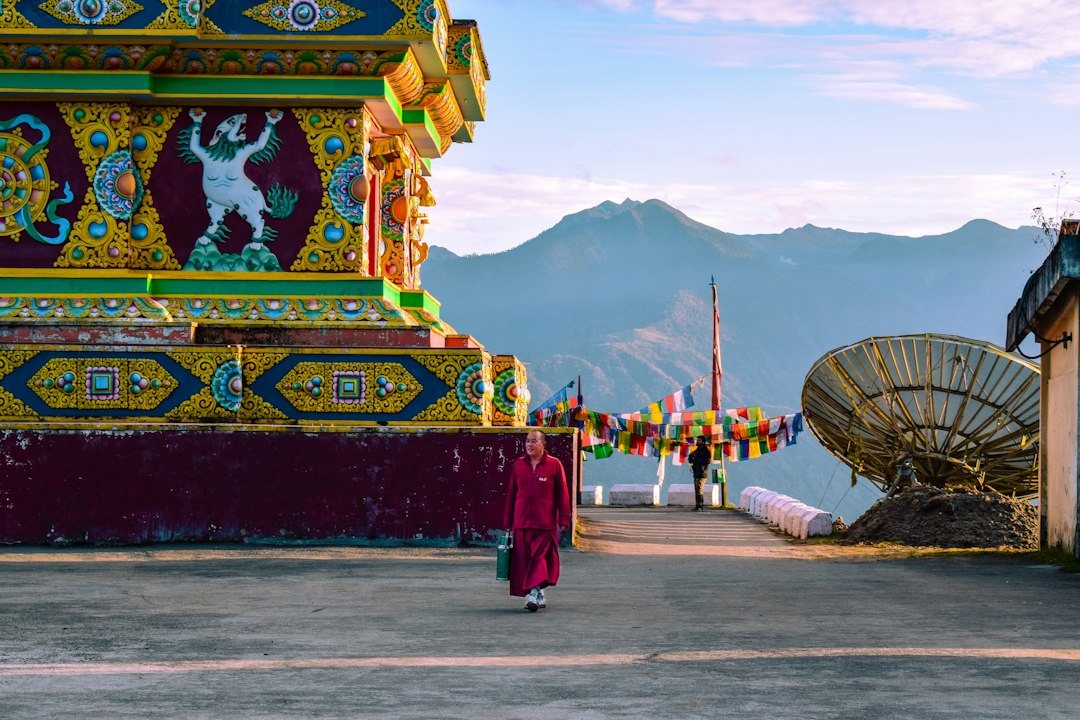

The ochre-colored walls emerge from nowhere, as if pushed out of the earth by an ancient force. Around, a marshy plateau extends towards horizons of snow-capped peaks, and the silence is so dense it seems like solid matter. Rangdum Gompa rises at 3657 meters above sea level, on an isolated promontory between Kargil and the Zanskar valley, in eastern Ladakh. There is no village in the immediate vicinity, no traffic noise, nothing to distract from the visual impact of this Tibetan Buddhist monastery that has withstood two centuries of Himalayan winters.
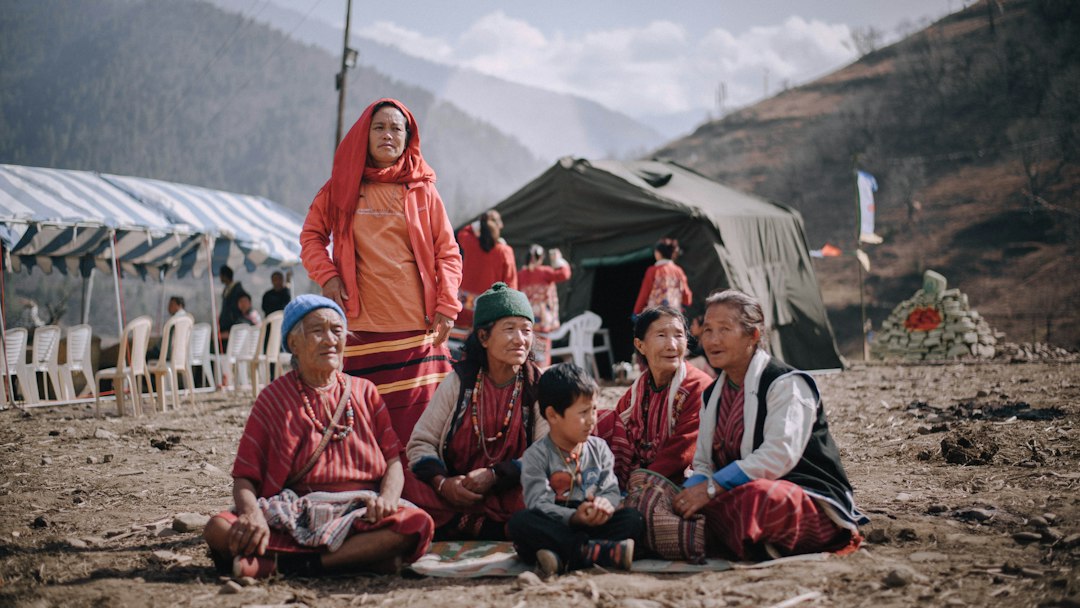
Founded around the 18th century and belonging to the Gelugpa school of Tibetan Buddhism — the same tradition as the Dalai Lama — Rangdum Gompa is today maintained by an active monastic community that partly relies on the Rangdum Gompa Cultural & Welfare Society for the management and preservation of the site. The monastery is not a museum artifact: it is a living place, where monks mark the hours with prayers and ceremonies, and where the architecture itself tells a story of adaptation and resilience.
The structure: how to read the architecture of Rangdum
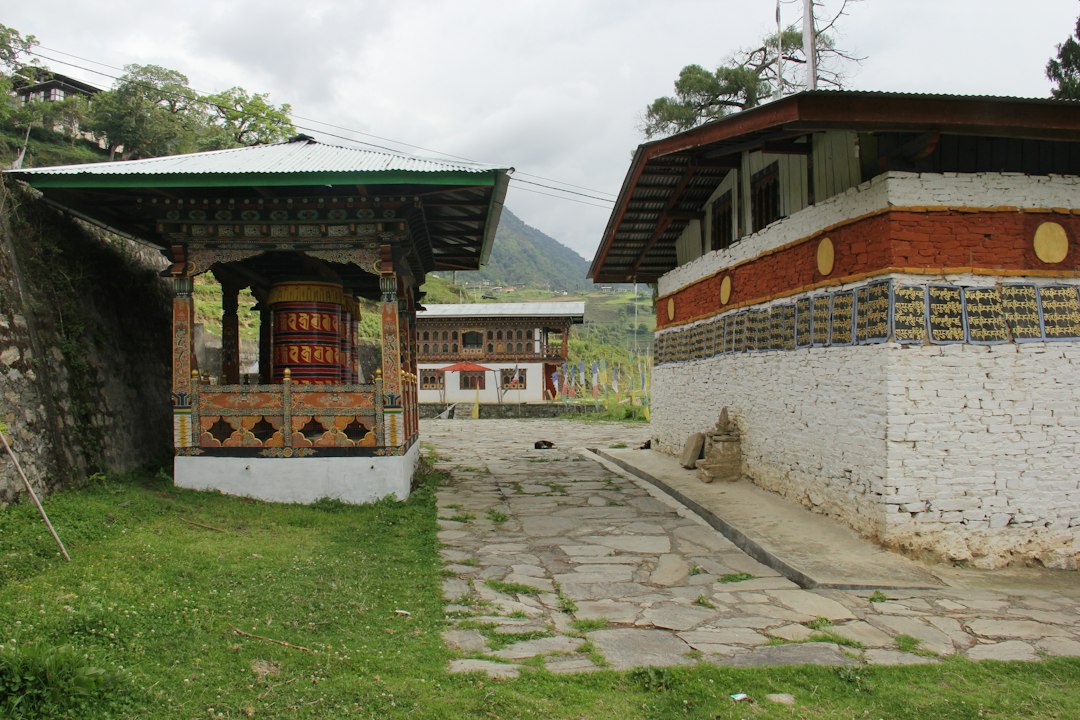
Approaching the gompa on foot, following the path that rises from the plateau, is the best way to understand the constructive logic of the place. The main building is a compact mass of stone and dried mud, plastered white on the towers and ochre on the load-bearing walls. This bicolor scheme is not decorative: it responds to a precise Tibetan symbolic hierarchy, where white indicates purity and red-ochre signals the sacred space of the chapels and prayer halls.
All around the main complex are numerous chorten — the votive structures in the shape of stupas that in Tibetan tradition mark places of spiritual power. In Rangdum, the white chorten stand out against the sky with an almost unreal clarity, amplified by the absence of vegetation and the high-altitude light, which eliminates half-tones and makes every shape sharper. Visitors to the site can closely observe the painted decorations on the doors of the internal chapels: figures of protective deities painted with mineral pigments, according to an iconographic tradition that dates back to the great monasteries of central Tibet.
The landscape as an architectural element
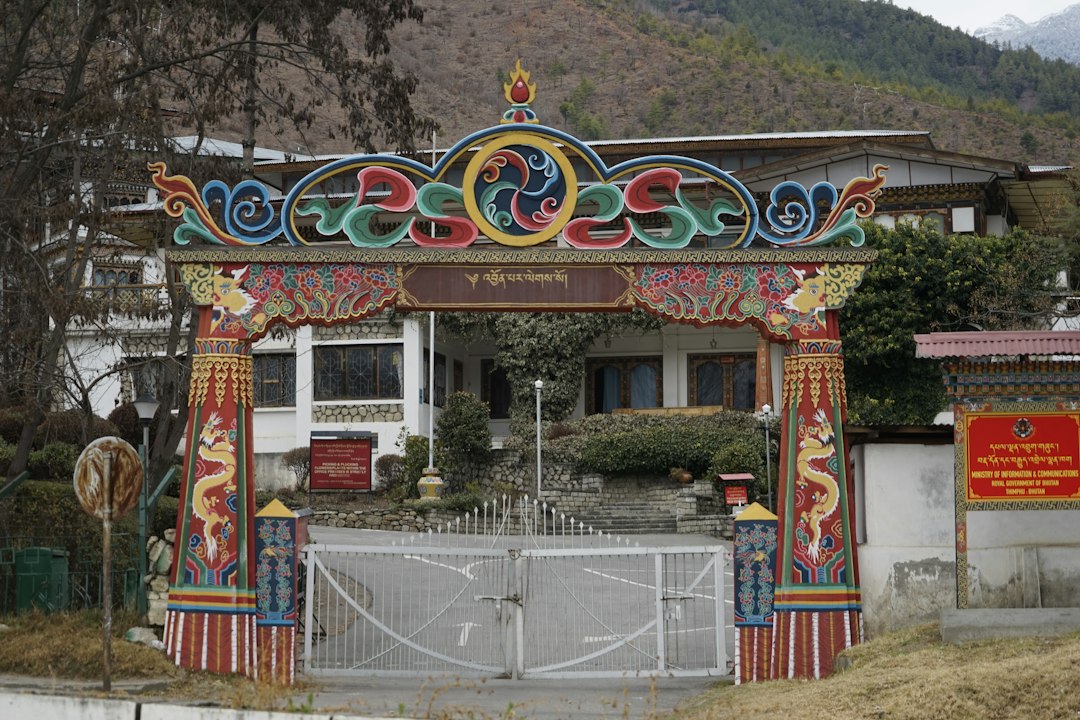
In Rangdum, it is impossible to separate architecture from the natural context, because the builders of the monastery never did. The promontory on which the gompa stands was chosen precisely: it visually dominates the entire plain, is naturally defended on three sides by steep slopes, and orients the main openings towards the mountain ranges that surround the valley. In winter, when the snow completely isolates the area for months, the monastery becomes a self-sufficient island: this extreme condition has shaped every construction choice, from the thick walls that accumulate heat during the day to the flat roofs that allow for snow collection to be melted for water.
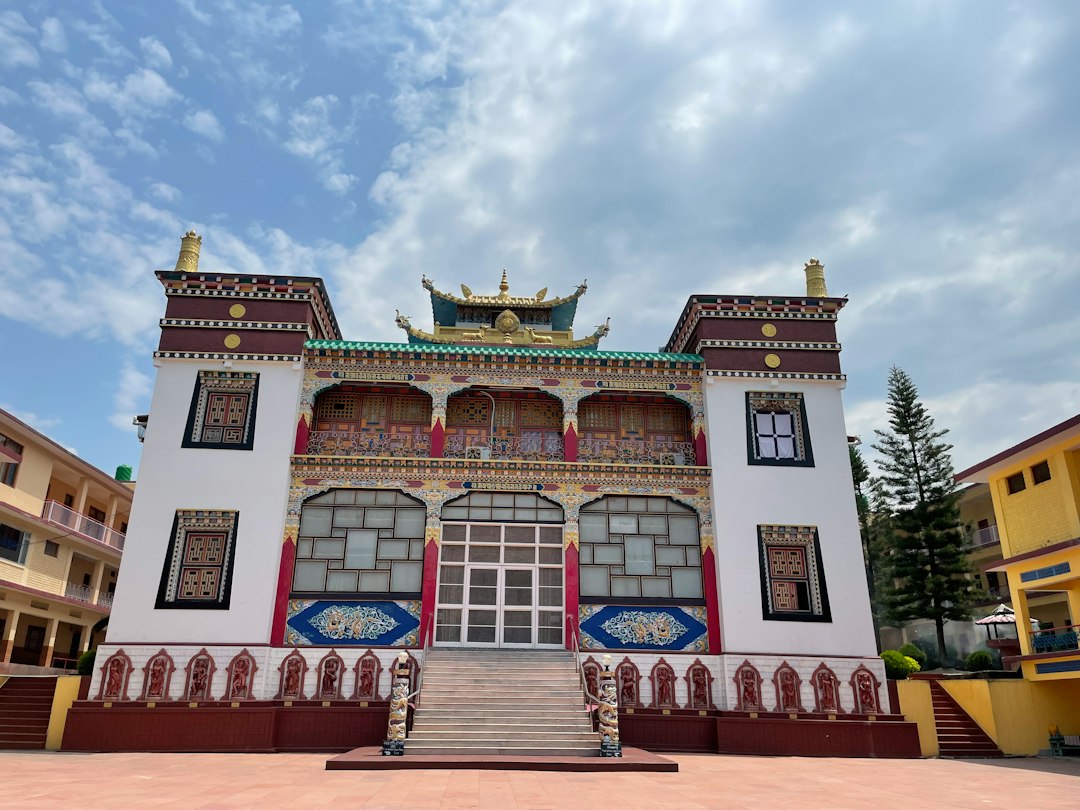
The marshy plateau that surrounds Rangdum, traversed by small streams and dotted with yellow grasses in the summer season, amplifies the feeling of isolation while simultaneously creating an extraordinary chromatic contrast with the ochre and white structures of the monastery. It is this combination — human geometry against natural chaos — that makes Rangdum one of the most photographically powerful landscapes in all of Ladakh.
How to Visit Rangdum Gompa
Rangdum can be reached by traveling along the state road that connects Kargil to Padum, the capital of Zanskar. The monastery is located about 130 kilometers from Kargil, on a road that crosses the Pensi La pass. The stretch is passable by car or jeep during the summer months, generally from June to October: outside of this window, weather conditions make the road impractical or dangerous. There is no standardized entrance fee, but it is customary to leave a donation to the monastic community.
The best time to visit is early in the morning, when the slanting light enhances the architectural volumes and the snow-capped peaks in the background are still free of haze. Plan for at least two hours to calmly explore the main complex, the surrounding chortens, and the paths that lead up to the promontory. If possible, stay overnight near Rangdum the evening before: the sunset over the monastery, with the ochre walls turning red under the fading light, is an experience that justifies the trip by itself.
Why the architecture of Rangdum deserves attention
In an era when many Himalayan religious sites are being restored with modern materials that alter their character, Rangdum still maintains a remarkable material coherence. The visible construction techniques — the local stone masonry, the clay-based plasters, the wooden details of the windows — belong to a craft tradition that has been passed down for generations without interruption. Observing these details up close means reading a story of Himalayan vernacular architecture that no manual can convey with the same effectiveness.
Rangdum is not a famous monastery in the conventional sense of the term. It does not appear on the covers of general guides, is not served by mass organized tours, and does not offer elaborate accommodation facilities. It is precisely this geographical and tourist marginality that preserves its architectural integrity and atmosphere: a place where architecture and landscape still speak the same ancient language.


