



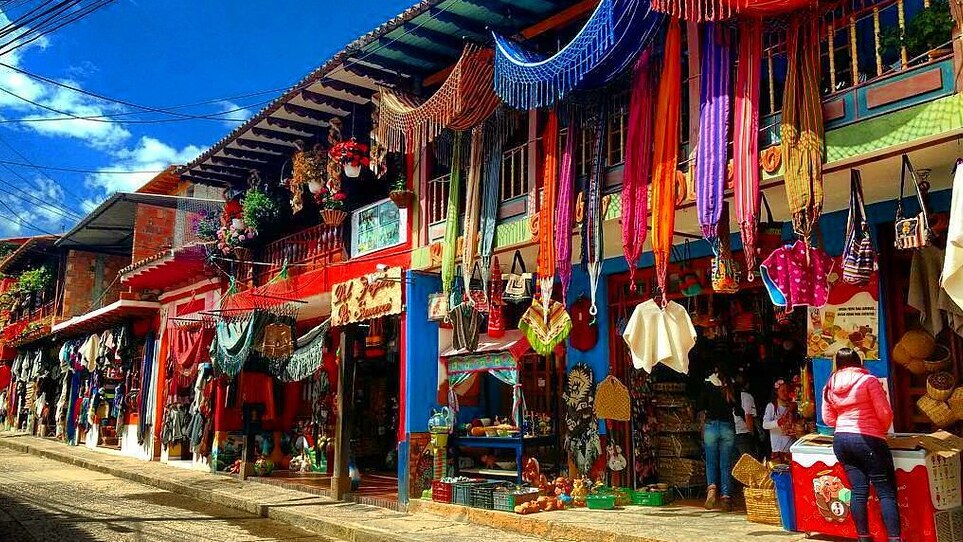
Nestled in the lush hills of Colombia's Boyacá department lies Ráquira, a vibrant town renowned as the country's pottery capital. While the towering steeple of the Iglesia de San Antonio de Padua dominates the skyline, it is the artisan community that truly animates the streets, where the colorful hues of hand-crafted pottery tell stories of tradition, creativity, and resilience.
### History and Origins
The roots of Ráquira can be traced back to pre-Columbian times when indigenous communities, particularly the Muisca, inhabited the region. Known for their craftsmanship, the Muisca created intricate pottery that formed part of their daily life and rituals. The town was officially founded on August 5, 1600, by Spanish settlers, and its name is derived from the indigenous word "raquira," meaning "place of the stones."
Throughout the 18th and 19th centuries, Ráquira flourished as a significant center for pottery, largely due to the abundance of clay in the region. The establishment of the nearby Chocontá River facilitated the transport of goods, allowing local artisans to share their creations beyond the town. Today, this historical legacy continues to thrive, with generations of families passing down their techniques and skills.
### Art and Architecture
Wandering through the colorful streets of Ráquira, visitors are greeted by an eclectic mix of colonial architecture and vibrant murals. The houses, adorned with bright colors and intricate designs, reflect the artistic spirit of the town. The Iglesia de San Antonio, a stunning example of colonial religious architecture, features a striking baroque facade that captures the eye.
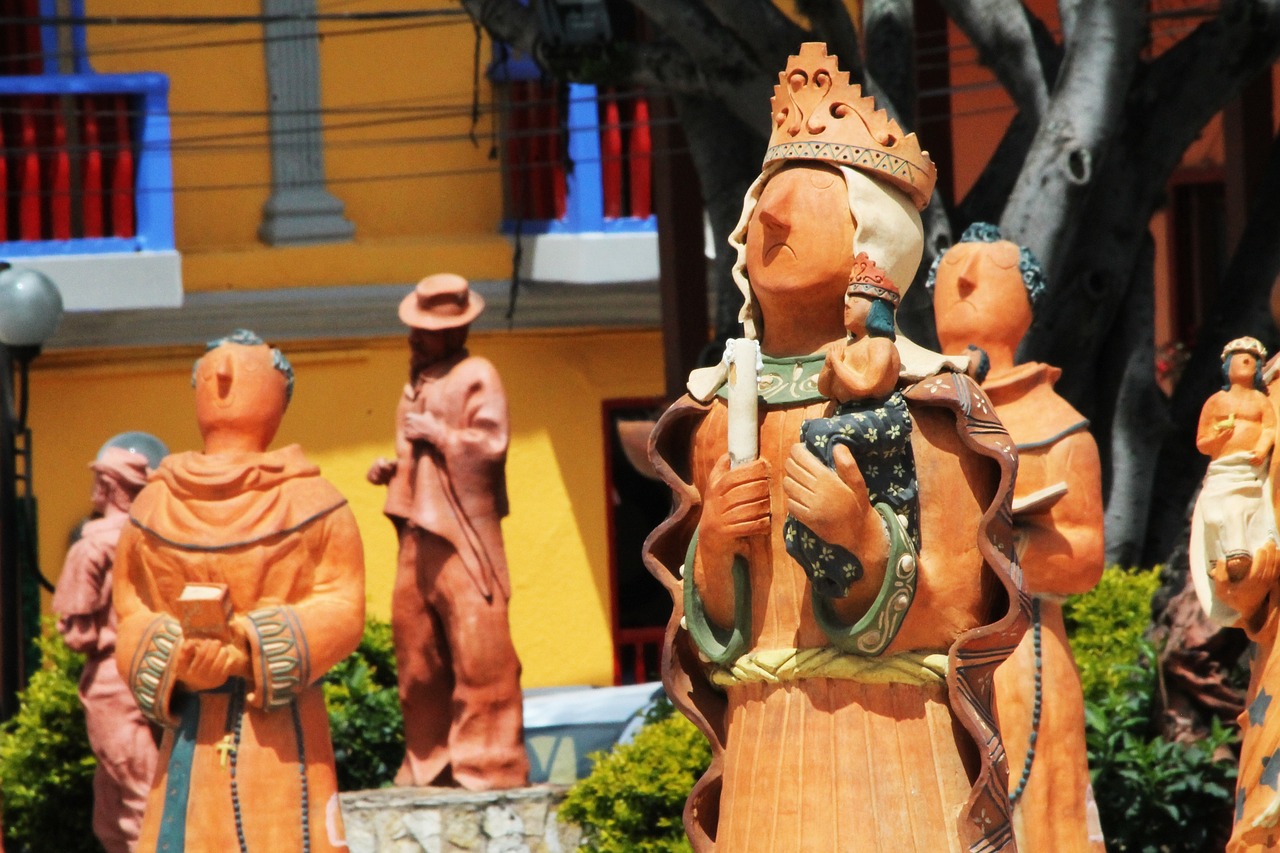
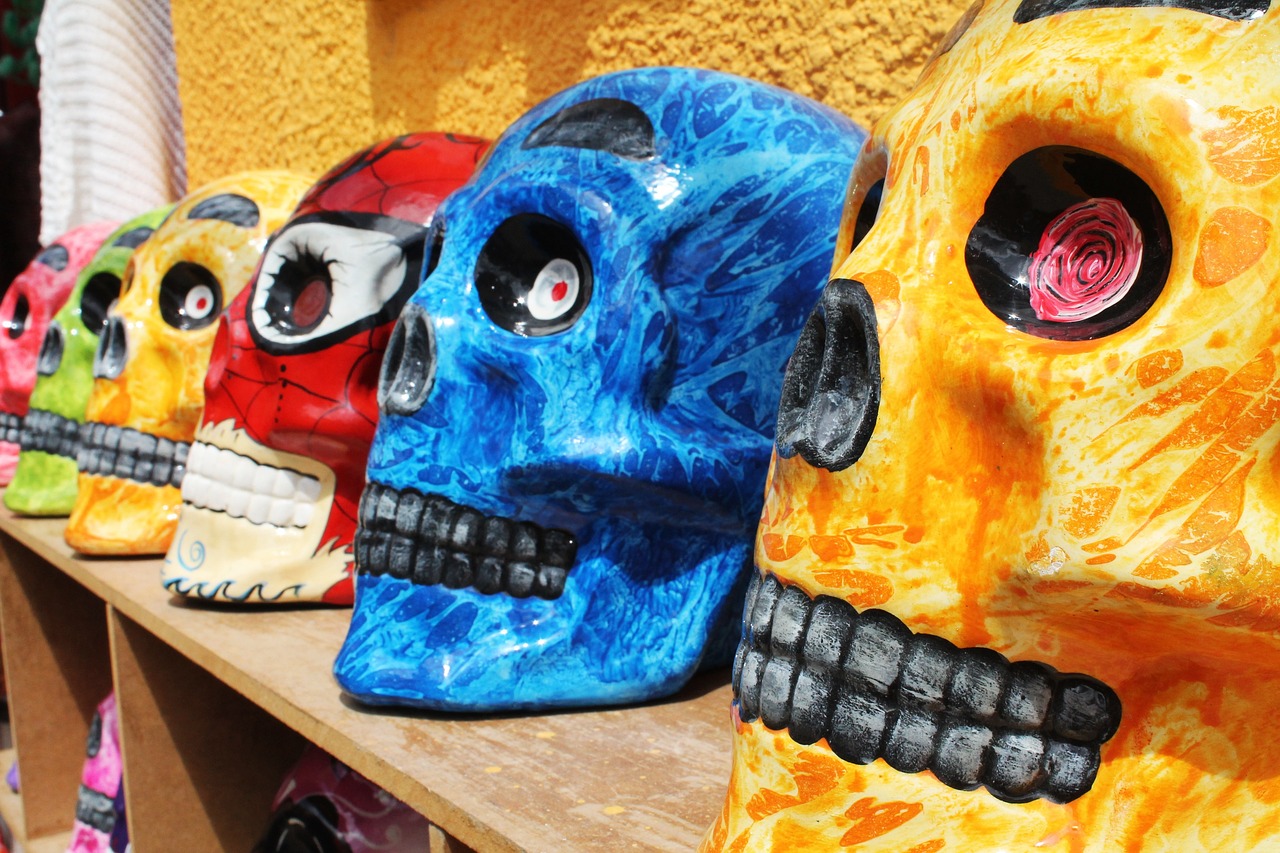
The pottery itself is a canvas for artistic expression, showcasing a wide range of styles from traditional Talavera to contemporary designs. Artisans use techniques that have been refined over centuries, often incorporating local flora and fauna into their work. Noteworthy pieces include the whimsical "ollas," or cooking pots, and decorative items such as candelabras and figurines that embody local culture.
### Local Culture and Traditions
Culture in Ráquira is vibrant and deeply rooted in tradition. The town is known for its Sunday market, where locals gather to sell their pottery alongside fresh produce, textiles, and other crafts. This bustling marketplace is a sensory delight, filled with the sounds of laughter and the aroma of traditional Colombian foods.
Festivals play a significant role in the town's cultural calendar, with events such as the Festival of the Pottery held in July. During this vibrant celebration, artisans showcase their work, and visitors can participate in workshops, learning the art of pottery-making firsthand. Such events not only celebrate local talent but also foster a sense of community and pride among residents.
### Gastronomy
The culinary scene in Ráquira is a reflection of its rich agricultural surroundings. Typical local dishes include ajiaco, a hearty chicken soup made with potatoes and herbs, and bandeja paisa, a platter that features beans, rice, avocado, and chicharrón. For those with a sweet tooth, arequipe (a type of caramel spread) often finds its way into desserts, adding a delightful touch to local pastries.
Wash it all down with a glass of aguapanela, a refreshing drink made from panela (unrefined cane sugar) dissolved in water, often served with cheese. Visitors should also seek out the local chicha, a traditional fermented corn drink that has been enjoyed by indigenous communities for centuries.
### Lesser-Known Curiosities
While many tourists flock to the main streets of Ráquira, there are hidden gems that often go unnoticed. One such curiosity is the "Casa de la Cultura," a cultural center that showcases the works of lesser-known artisans and hosts temporary exhibitions. Here, visitors can gain insight into the lives and stories of the creators behind the pottery.
Additionally, the town is home to a unique tradition known as "el alfarero viajero," or the traveling potter. This involves artisans traveling to different regions to showcase their skills and sell their wares, creating a bridge between cultures and sharing the artistry of Ráquira with the wider world.
### Practical Visitor Information
The best time to visit Ráquira is during the dry season, which typically runs from December to March. This period not only offers pleasant weather but also coincides with various local events and markets. When exploring the town, take time to converse with artisans, as many are eager to share their stories and knowledge.
Be sure to look for unique pieces that resonate with you—each item carries a piece of the town’s history and culture. Bargaining is common at markets, so don’t hesitate to negotiate a fair price for one-of-a-kind treasures.
As you plan your trip, consider downloading the Secret World app to create a personalized itinerary that ensures you experience the best of Ráquira and its vibrant artisan community.
