
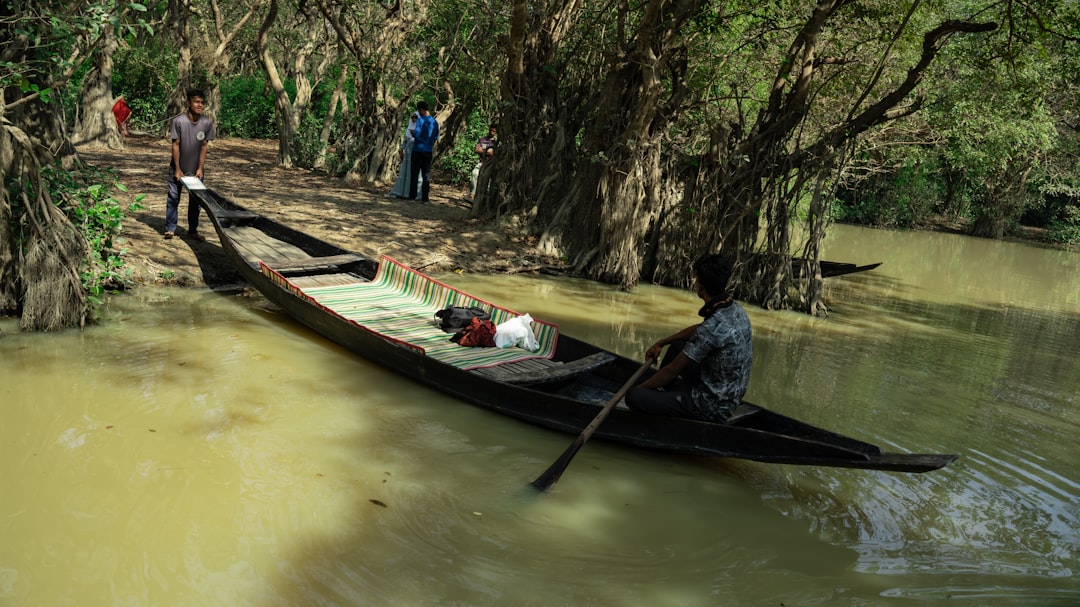

The water reaches halfway up the trunks of the trees, and the boat glides silently among the submerged roots. In Ratargul, in the Sylhet region, in northeastern Bangladesh, the monsoon season transforms a floodplain forest into something completely different: a green and aquatic maze where Hijal (Barringtonia acutangula) and Koroch (Pongamia pinnata) trees emerge from the water like the columns of a submerged cathedral. There is nothing like it anywhere else in Bangladesh.
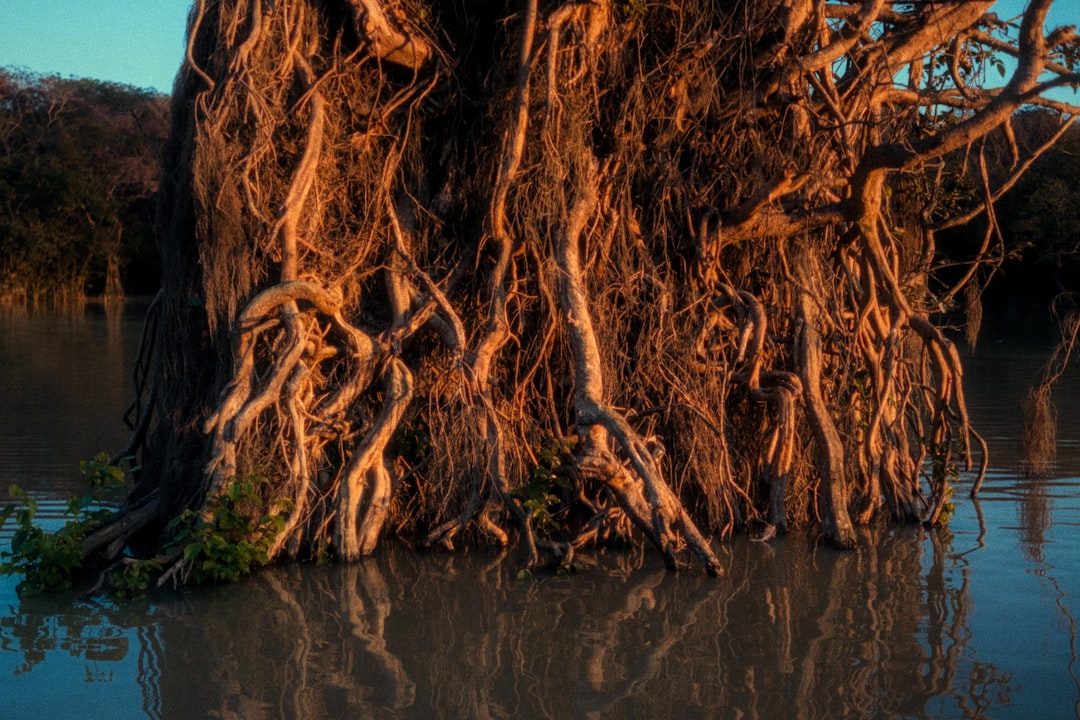
Ratargul is the only freshwater swamp forest in the country, located near Gushainpur, about 26 kilometers from the city of Sylhet. It covers an area of about 3,325 hectares, a significant portion of which is completely flooded between June and October, when the Gowain River and monsoon rains raise the water level by several meters. It is during those months that the place reveals its most extraordinary nature.
An ecosystem that lives on water

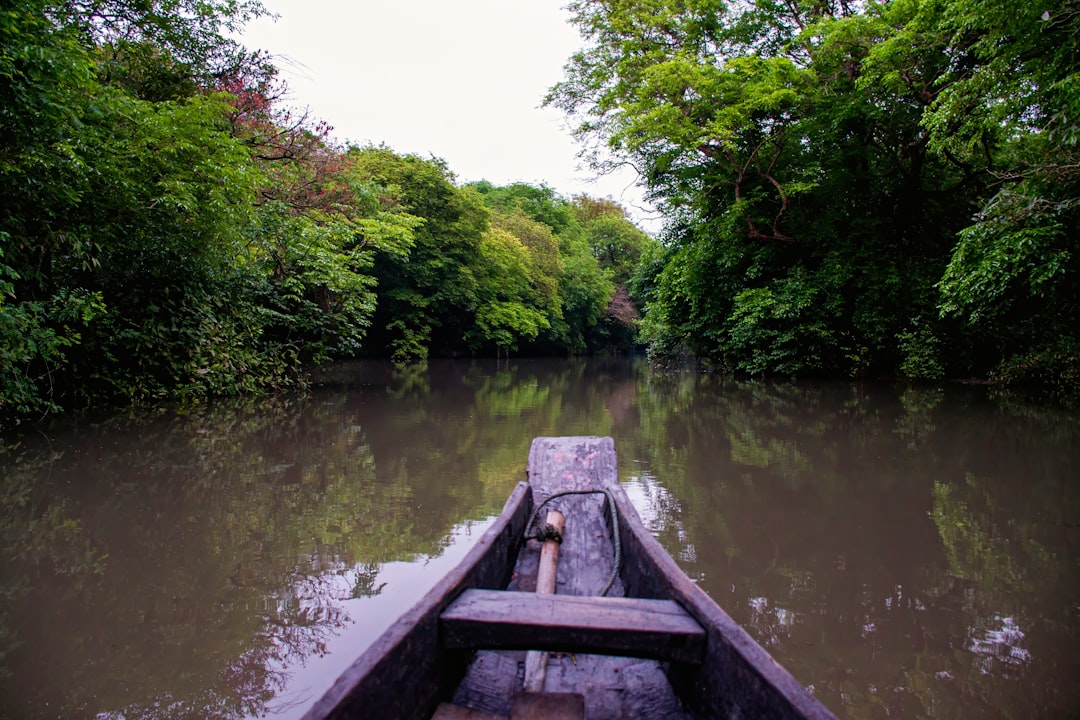
Navigating among the trees of Ratargul during the peak of the rainy season means moving within an environment that seems suspended between two worlds. The canopies of the Hijal close above the boat forming a natural vault, while ferns and moss cover every reachable branch. Light filters in irregularly, creating deep shadowy areas alternating with bright patches where the water reflects the green of the vegetation.
The fauna is discreet but present. Kingfishers — several species of Alcedo are documented in the area — appear as blue flashes among the branches. Rhesus monkeys move high among the foliage, and during the quieter hours, it is possible to observe freshwater turtles sunbathing on the emerging trunks. The ecosystem is protected: Ratargul is classified as a forest reserve under the management of the Bangladesh Forest Department.
How to get there and how to visit
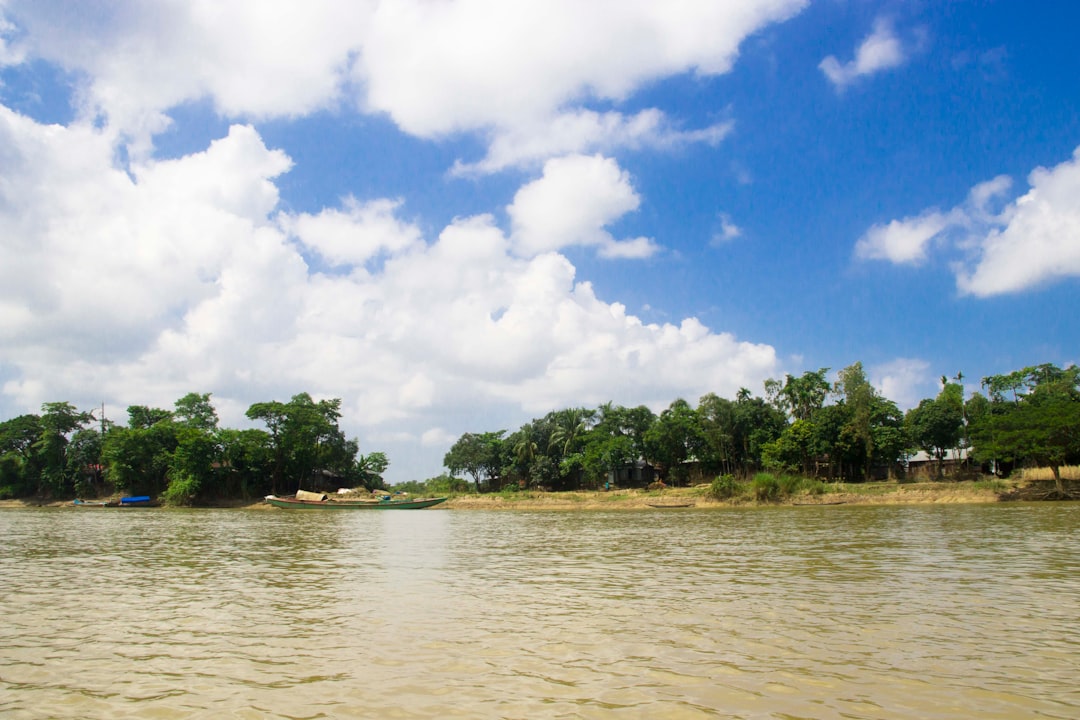
The logistical starting point is Sylhet, reachable by train from Dhaka in about six to seven hours or by plane with domestic flights. From Sylhet, you take a CNG (motorized three-wheeled rickshaw) or a taxi to the village of Gushainpur, a journey that takes about an hour. At the local dock, wooden rowboats or small motorboats are rented that take you into the forest: the local boatmen know the canals better than any map, and relying on them is the most sensible choice as well as the most respectful for the local economy.
The most important practical advice: visit Ratargul between July and September to find the water level at its highest. In the dry months, between January and March, the forest is almost completely dry and the experience is radically different — less spectacular visually, although interesting for observing the flora. Arriving early in the morning, preferably by 8:00 AM, allows you to enjoy the best light for photography and to avoid the crowds of groups that arrive during the central hours of the day, especially on weekends.
Water as the protagonist of the landscape
What makes Ratargul different from any other natural destination in Bangladesh is the physical relationship between water and vegetation. It is not a lake with trees on the shore, nor a river with forest on the banks: here, water literally penetrates into the forest, and the forest grows within the water. The Hijal trees, in particular, have developed adaptations that allow them to survive months of partial submersion, with roots that tolerate the anaerobiosis of flooded soil.
Looking down from the boat, one sees the dark water, colored by the tannins released from decomposing vegetation — a phenomenon similar to that of the black waters of the Amazon, although on a much smaller scale. Looking up, one sees the intertwined branches and the canopies touching each other. The feeling is of being inside something, not in front of something.
Why the trip is worth it
Ratargul is not a place equipped for mass tourism. There are no accommodations within the reserve, the restrooms are what you would expect in a rural area of Bangladesh, and communication with the boatmen requires a few words of Bengali or the mediation of a guide. But it is precisely this simplicity that is part of the value of the place.
Those who arrive here with realistic expectations and a spirit of adaptation find something rare: a functioning ecosystem, not staged for visitors, where natural processes — seasonal flooding, tree growth, animal movements — continue regardless of human presence. Ratargul is one of the few places in South Asia where you can sit on a wooden boat, in the middle of a flooded forest, without hearing anything but the call of a kingfisher.


