
← Back

Ravine of Las Vacas

Barranco de las Vacas, Las Palmas, Spagna ★★★★☆ 514 views
Frey Lobotka
Barranco de las Vacas
🏆 AI Trip Planner 2026

Get the free app

Discover the best of Barranco de las Vacas with Secret World — the AI trip planner with 1M+ destinations. Get personalized itineraries, hidden gems and local tips. Free on iOS & Android.

🧠 AI Itineraries 🎒 Trip Toolkit 🎮 KnowWhere Game 🎧 Audio Guides 📹 Videos
Scan to download iOS / Android
Scan for AppGallery Huawei users

About Ravine of Las Vacas

Ravine of Las Vacas - Barranco de las Vacas | Secret World Trip Planner

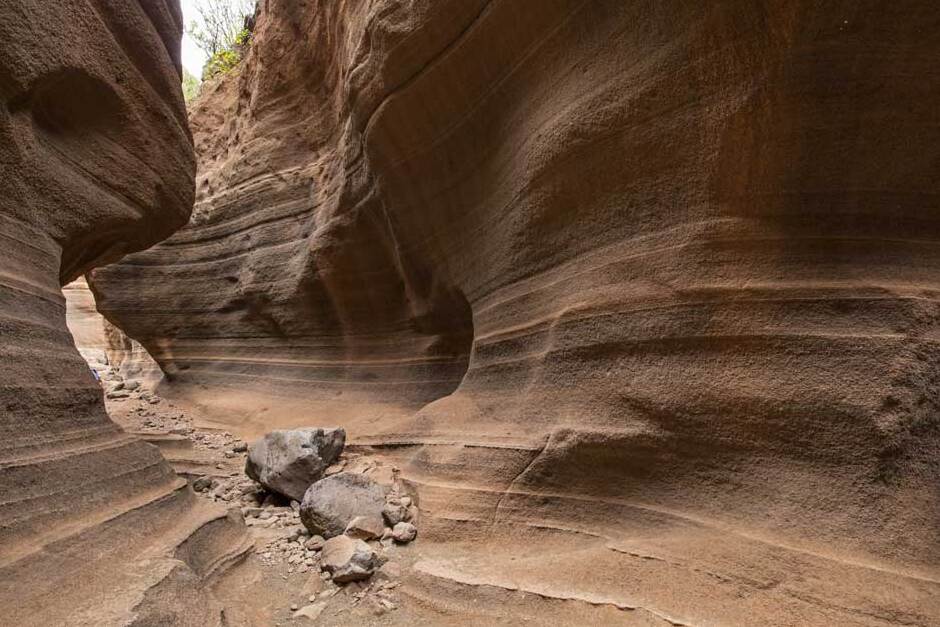
The Ravine of Las Vacas is a hidden gem nestled in the stunning landscape of Gran Canaria, beckoning nature lovers and photographers alike with its mesmerizing rock formations known as Tobas de Colores. As you traverse this enchanting canyon, it’s easy to forget the bustling world beyond its rugged walls, immersing yourself in the tranquility of this geological wonder.

### History and Origins

The history of the Ravine of Las Vacas is deeply intertwined with the natural forces that shaped it. Formed during the Miocene epoch, around 23 million years ago, the ravine was carved out by the relentless forces of wind and water, creating a small canyon that once served as a riverbed. The ancient Canarii, the indigenous people of Gran Canaria, likely used these ravines for shelter and navigation, although much of their history remains shrouded in mystery due to the lack of written records.

The municipality of Agüimes, where the ravine is located, has a rich history that dates back to the 15th century, when the island was conquered by the Crown of Castile. The area saw the establishment of agricultural practices, which led to the development of local culture and architecture, blending indigenous and Spanish influences. The ecological significance of the ravine has been recognized more recently, making it a focal point for environmental education and tourism.

### Art and Architecture

While the Tobas de Colores are the main attraction, the surrounding landscape also features traditional Canarian architecture. The whitewashed houses of Agüimes, with their wooden balconies and colorful flower pots, provide a charming backdrop to the natural beauty of the ravine. The contrast between human-made structures and the rugged geological formations creates a fascinating dialogue between nature and civilization.

Artistic significance can also be found in the local artisans who draw inspiration from the ravine’s unique colors and shapes. Visitors may encounter handmade crafts that reflect the vibrant hues of the canyon, from pottery to textiles, encapsulating the essence of this extraordinary landscape.

### Local Culture and Traditions

The culture surrounding the Ravine of Las Vacas is rich and vibrant, characterized by a blend of indigenous traditions and Spanish influences. Fiestas are an essential part of life in Agüimes, with events like the Fiesta de San Juan celebrated in June, featuring bonfires, music, and dance. These gatherings foster a sense of community and allow visitors to experience the local way of life.

Another significant event is the Carnaval held in February, where the streets come alive with colorful parades, elaborate costumes, and lively music. These festivals often incorporate traditional Canarian folklore, offering a glimpse into the island’s past.

### Gastronomy

Exploring the culinary scene in Agüimes is a delightful experience that complements a visit to the Ravine of Las Vacas. The region is known for its papas arrugadas (wrinkled potatoes) served with mojo sauce, a staple of Canarian cuisine. This dish reflects the island’s agricultural heritage and is often enjoyed alongside fresh seafood.

Another must-try is gofio, a traditional flour made from roasted grains, which is utilized in various local recipes, including desserts and stews. Pair your meal with a glass of Canarian wine or locally brewed cerveza for an authentic taste of the island.

### Lesser-Known Curiosities

While many visitors flock to the Tobas de Colores, fewer know about the hidden gems that lie within the ravine. One such curiosity is the natural tunnel that leads into the canyon, which adds an element of adventure to the experience. The light filtering through the rock formations creates an ethereal atmosphere, perfect for photography.

Local legends also add a layer of intrigue to the ravine. Some believe that the colors of the rocks are remnants of ancient spirits, adding a mystical quality to the landscape. These stories, passed down through generations, highlight the cultural significance of the ravine beyond its natural beauty.

### Practical Visitor Information

The best time to visit the Ravine of Las Vacas is during the spring and autumn months when the weather is mild and the landscape is particularly vibrant. Early mornings or late afternoons are ideal for photography, as the sunlight casts dramatic shadows on the rocks.

There are two main entrances to the ravine, both located between kilometers 14 and 15. The first entrance offers a longer, easier route that leads you down into the valley, while the second is shorter but steep, demanding a bit more effort. Parking is limited, so look for a dirt recess near a stone bridge to leave your car.

As you explore the canyon, take the time to appreciate the intricate rock formations and the serene environment. Whether you’re an avid hiker or a casual visitor, the Ravine of Las Vacas promises an unforgettable experience.

To enhance your trip and discover more hidden treasures, consider using the Secret World app for a personalized AI itinerary.

🗺 AI Trip Planner 2026

Plan your visit to Barranco de las Vacas

Suggested itinerary near Ravine of Las Vacas

MAJ+
500.000+ travelers worldwide
  1. 🌅
    Morning
    Ravine of Las Vacas
    📍 Barranco de las Vacas
  2. ☀️
    Afternoon
    Secret World vs Wanderlog in Gran Canaria 2026: Which is Best?
    📍 7.5 km · Barranco de las Vacas
  3. 🌆
    Evening
    Roque Nublo,one of the largest natural rocks in the world.
    📍 15.3 km · Barranco de las Vacas

Buy Unique Travel Experiences

Powered by Viator

See more on Viator.com

Explore nearby · Barranco de las Vacas

Frequently Asked Questions

Tobas de Colores are mesmerizing rock formations that are the main attraction of the Ravine of Las Vacas in Gran Canaria, known for their stunning geological features and unique colors. These formations showcase the natural artistry created by millions of years of geological processes, making them a photographer's paradise and a must-see for nature lovers.
The Ravine of Las Vacas was formed during the Miocene epoch, approximately 23 million years ago, through the relentless forces of wind and water carving out a small canyon. It was originally a riverbed that has been shaped by these natural geological processes over millions of years, creating the stunning landscape visible today.
The ravine holds deep historical significance as it was likely used by the ancient Canarii, the indigenous people of Gran Canaria, for shelter and navigation, though much of their history remains mysterious. Additionally, the ravine is located in the municipality of Agüimes, which has a rich history dating back to the 15th century when the island was conquered by the Crown of Castile.
Beyond the stunning geological formations, you can admire traditional Canarian architecture in Agüimes, including charming whitewashed houses with wooden balconies and colorful flower pots. These structures create a fascinating contrast with the rugged ravine landscape, showcasing the blend of human civilization and natural beauty that characterizes the area.
Yes, the Ravine of Las Vacas is an excellent destination for photographers, as it features mesmerizing rock formations and unique geological colors that inspire both local artisans and visitors. The combination of the striking Tobas de Colores and the traditional Canarian architecture of surrounding towns provides endless opportunities for capturing both natural and cultural elements.
