
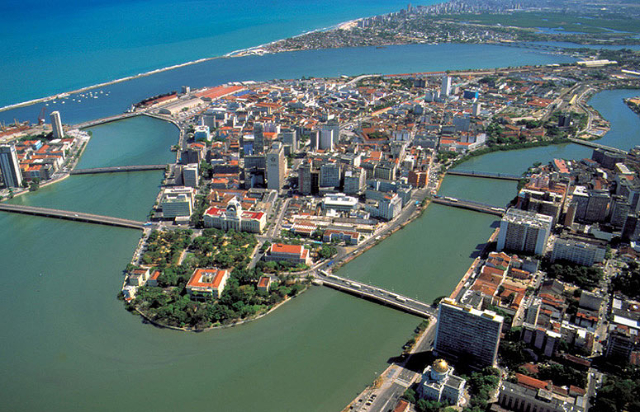

Nestled along Brazil’s northeast coast, Recife, the capital of Pernambuco, is a city that vibrates with history, culture, and natural beauty. Known affectionately as the “Venice of Brazil,” Recife's intricate network of waterways and over 50 bridges weave through a tapestry of urban life and colonial heritage, creating a setting as poetic as it is picturesque.
Founded in 1537, Recife's origins are deeply entwined with its strategic location as a port city. Its name, meaning "reef" in Portuguese, nods to the coastal reefs that protect its shores. Throughout the 17th century, the city was a hotbed of conflict and change, enduring Dutch invasions and subsequent rule under the leadership of Maurício de Nassau. His tenure marked a period of urban and cultural development, introducing infrastructure and cultural institutions that laid the groundwork for modern Recife. By 1654, the Portuguese reclaimed the city, and Recife continued to flourish as a vital trade center.
The cityscape of Recife is a feast for the eyes, boasting an eclectic mix of colonial and modern architecture. The Old Town, known as Recife Antigo, is a living museum of baroque churches, such as the Kahal Zur Israel Synagogue, the oldest in the Americas, and the striking Capela Dourada with its opulent gold-leaf interiors. Contemporary architecture finds its expression in the iconic Ponte Maurício de Nassau and the Torre Malakoff, a remnant of the city's cosmopolitan past.
Artistry is woven into the very fabric of Recife, with the Instituto Ricardo Brennand housing a vast collection of European and Brazilian art, nestled within a castle-like setting. The city is also home to the vibrant Carnaval de Recife, a celebration that rivals Rio's in its exuberance and authenticity, featuring the world-famous Galo da Madrugada parade, a riot of color and sound that fills the streets each February.
Cultural traditions in Recife are rich and varied, influenced by indigenous, African, and European heritages. Frevo, a frenetic dance accompanied by brass music, is emblematic of the city’s lively spirit and is a staple at local festivals. Meanwhile, Maracatu, a performance blending African rhythms with Portuguese theatrical traditions, offers a deeper glimpse into Pernambuco’s cultural identity.
Gastronomy is another pillar of Recife’s allure, offering flavors as diverse as its history. Visitors can savor the bolo de rolo, a rolled cake resembling a Swiss roll, or indulge in caldinho de sururu, a hearty mussel broth infused with local spices. The streets are alive with vendors selling tapioca, a versatile dish made from cassava flour, often filled with coconut or cheese. To wash it all down, a glass of freshly pressed caldo de cana (sugarcane juice) is a must.
For those seeking the city’s hidden gems, consider exploring the Paço do Frevo, a museum dedicated to the iconic dance, or the Oficina Brennand, a surreal art space featuring the works of local artist Francisco Brennand. The city’s love for cinema can be discovered at the Cinema São Luiz, a beautifully preserved theater showcasing both local and international films.
To truly appreciate Recife, plan your visit during the dry season from September to March, when the weather is ideal for exploring its outdoor attractions. While navigating the city, make use of the efficient VLT light rail or explore on foot, especially in the pedestrian-friendly Recife Antigo. Always be on the lookout for spontaneous street performances or pop-up food stalls, which offer a genuine taste of local life.
Recife is more than just a city of bridges; it is a bridge itself, linking past and present, tradition and modernity. Whether you are wandering through its historical streets, indulging in its culinary delights, or dancing to the beat of frevo, Recife promises a rich and unforgettable journey through the heart of Brazil.


