
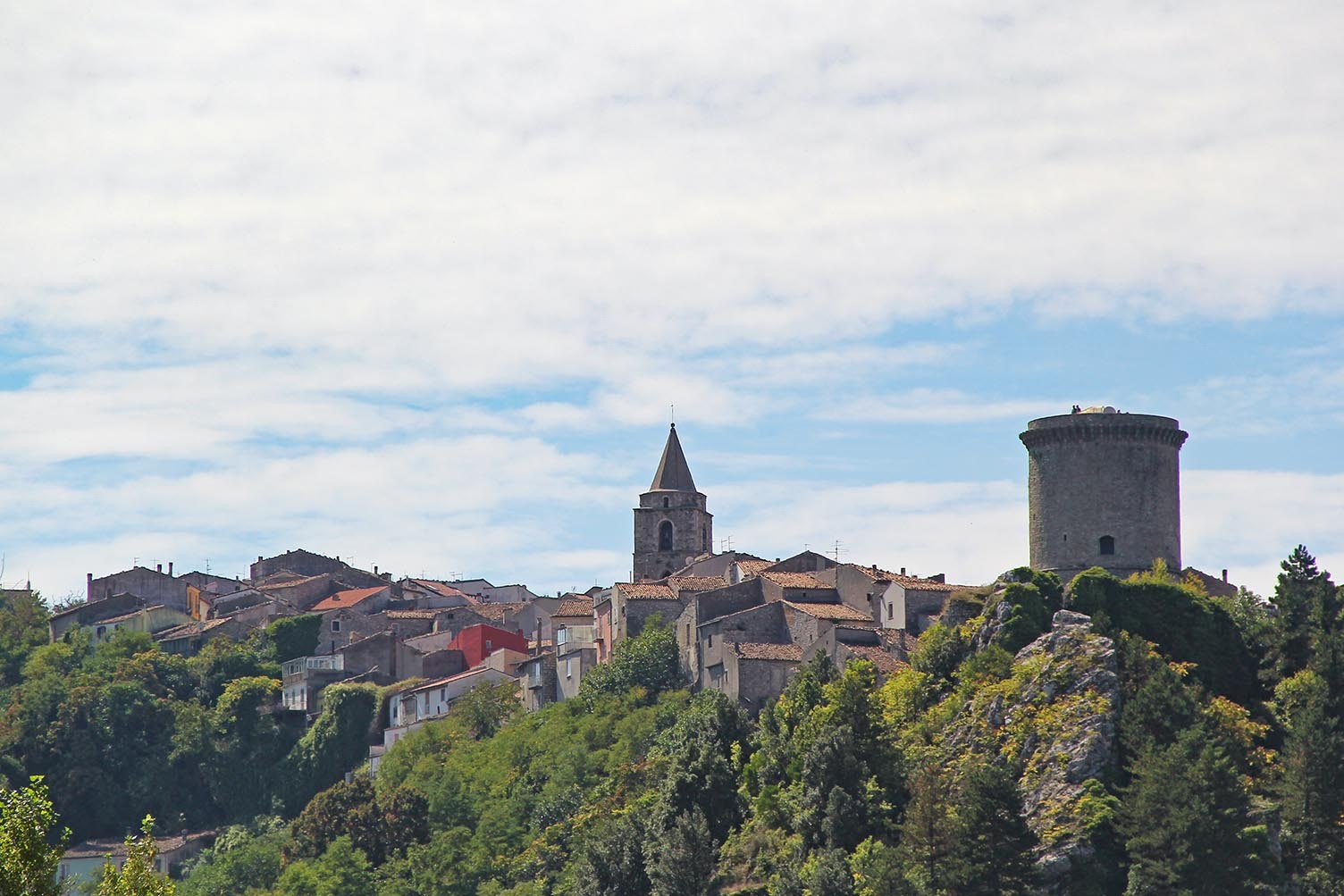

Nestled in the heart of the Fortore Valley, Riccia stands as a testament to the passage of time, where history, culture, and nature intertwine in a spectacular dance. With its scenic hills, lush olive groves, and fields of golden wheat, Riccia is not only a feast for the eyes but also a treasure trove of historical significance.
History and Origins
The origins of Riccia can be traced back to the ancient Samnites, a formidable group that inhabited this region before the Roman conquest. The town itself was officially founded in the 11th century and has since witnessed a tapestry of events that shaped its character. Throughout the Middle Ages, Riccia flourished due to its strategic location, acting as a waypoint for merchants and travelers navigating the rugged terrains of southern Italy.
Key historical events include the Battle of Riccia in 1799, which marked a significant moment during the Italian Wars of Independence. This battle not only exemplified the town's military significance but also its unwavering spirit. Over the centuries, Riccia has been governed by various noble families, including the Colonna, who left an indelible mark on its architectural landscape.
Art and Architecture
The architectural charm of Riccia is a blend of medieval fortifications and Renaissance elegance. Strolling through the narrow, winding streets, visitors are greeted by the Church of Santa Maria delle Grazie, a stunning example of ecclesiastical architecture. Its imposing tower and intricate facade draw admiration, while the precious artworks housed within tell stories of faith and artistry.
A highlight of Riccia's artistic heritage is the Church of the Annunziata, renowned for one of the most beautiful portals in Molise. Adorned with delicate columns and exquisite bas-reliefs, this church captures the essence of local craftsmanship. The 13th-century lions guarding the portal of the Church of the Assunta further enhance the town's medieval allure, inviting visitors to ponder the artistry and symbolism of bygone eras.
Local Culture and Traditions
Riccia's culture is rich and vibrant, deeply rooted in its traditions and customs. One of the most significant events on the local calendar is the Grape Festival, celebrated on the second Sunday of September. This lively festival transforms the town into a tapestry of colorful carts adorned with scenes of traditional country life, all beautifully decorated with grapevines and clusters of grapes.
During the festival, the streets come alive with the sounds of music and the rhythm of folk dances, as locals and visitors alike indulge in the region's finest wines and culinary delights. The sense of community during this celebration is palpable, as families come together to honor the harvest and share their cultural heritage.
Gastronomy
The gastronomy of Riccia is a reflection of the land’s bountiful offerings. The region is famous for its Montepulciano d'Abruzzo and Sangiovese wines, both of which perfectly complement the local cuisine. Dishes such as cavatelli with wild mushrooms and agnello alla cacciatora (hunter-style lamb) showcase the flavors of the region, while the rich olive oil produced from local groves adds a distinctive touch to many meals.
Don’t miss out on the opportunity to savor scrippelle ‘mbusse, a traditional dish made from thin crepes filled with cheese and served in broth. The blend of ingredients and the cooking techniques passed down through generations reveal the deep-rooted culinary heritage of Riccia.
Lesser-known Curiosities
Riccia is not just about its stunning architecture and gastronomy; it also harbors lesser-known stories waiting to be uncovered. One such curiosity is the Magazeno, an ancient building that houses the Museum of Arts and Popular Traditions. Here, visitors can explore a fascinating collection of ancient working tools and everyday objects that reflect the daily lives of Riccia's ancestors.
Additionally, local folklore is rich with tales of saints and mythical creatures, with many residents sharing stories of San Rocco, the town's patron saint, who is believed to protect the local populace from diseases. These narratives add an enchanting layer to the town's already vibrant tapestry.
Practical Visitor Information
For those planning a visit to Riccia, the best time to experience its charm is during the Grape Festival in September, when the town is at its most lively and colorful. However, spring and early autumn also offer delightful weather, perfect for exploring the picturesque landscapes and historical sites.
When wandering through Riccia, be sure to take your time. Explore the narrow streets, interact with locals, and indulge in the regional cuisine. Don’t forget to sample the local wines as you soak in the panoramic views of the surrounding valleys.
With its rich history, stunning architecture, and vibrant culture, Riccia is a hidden gem waiting to be discovered. Whether you’re drawn by the allure of its past or the warmth of its community, this enchanting town promises an unforgettable experience. For a personalized journey through Riccia’s treasures, consider using the Secret World app to craft your ideal itinerary.


