



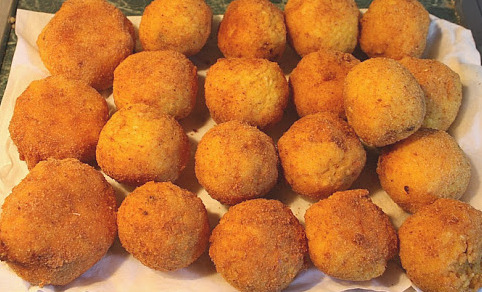
In the heart of Sicily, where sun-kissed landscapes meet vibrant culinary traditions, lies the beloved arancino—a culinary masterpiece that embodies the essence of Sicilian cuisine. Known as arancini di riso, these rice balls have earned their place in the annals of Italian gastronomy, officially recognized by the Ministry of Agricultural, Food and Forestry Policies. With a history steeped in ancient traditions, arancini are more than just a snack; they are a testament to Sicily's rich cultural heritage.
The origins of arancini can be traced back to the Arab occupation of Sicily in the 9th century, when rice was introduced to the island. The name "arancino" itself is derived from the Italian word for orange, "arancia," owing to the snack's round shape and golden hue when fried. Traditionally filled with a mixture of saffron-infused rice, meat, and peas, arancini evolved over the centuries, becoming a staple at celebrations and family gatherings. By the 19th century, these delectable treats had secured their place in Sicilian homes, often served during festive occasions such as Easter and Saint Lucia's Day.
Visiting Sicily is akin to stepping into a living museum, where art and architecture narrate the island's multifaceted past. The Baroque architecture of cities like Palermo and Catania reflects the island’s opulent history, with stunning churches and palaces that showcase intricate designs and religious iconography. Notable artworks can be found in the Palermo Cathedral, which features elements from various architectural styles, including Norman and Gothic. The Catacombs of the Capuchins in Palermo offer a haunting glimpse into the past, where thousands of mummified remains tell stories of Sicilian life and death.
Local culture thrives on traditions that celebrate community and heritage. Festivals play a crucial role in Sicilian life, with events like the Festa di Santa Rosalia in Palermo drawing crowds from all over the island. This vibrant celebration features colorful processions, traditional music, and, of course, an abundance of food. During the Sagra del Arancino in various towns, locals gather to showcase their unique recipes, competing for the title of the best arancino, while sharing stories that keep their culinary customs alive.
In addition to the iconic arancini, Sicilian gastronomy is rich with flavors and local products. The island is renowned for its citrus fruits, particularly the Sicilian orange, and the infamous caponata, a sweet and sour eggplant dish that speaks to the island's agricultural bounty. Marsala wine, produced in the coastal town of the same name, complements many Sicilian dishes, while cannoli, with its creamy ricotta filling, serves as a sweet ending to any meal.
While many tourists flock to the well-trodden paths, some fascinating curiosities about arancini remain lesser-known. For instance, in the town of Palermo, you might encounter the "arancina al burro," a variation filled with béchamel sauce and ham, which is a local favorite. Additionally, the shape of arancini varies significantly across the island—while they are typically round in Palermo, in Catania, they are more often shaped like a pear. This regional diversity showcases the creativity and pride of Sicilian cooks, who infuse their personal touch into this beloved dish.
For those planning their visit, the best time to experience Sicilian cuisine is during the spring and fall when the weather is mild and local produce is at its peak. Exploring open-air markets in cities like Catania and Palermo offers a sensory feast, where the aromas of fresh produce and sizzling arancini fill the air. To truly appreciate Sicilian culture, seek out family-run trattorias away from tourist traps, where recipes have been passed down through generations and the warmth of hospitality is palpable.
As you wander through the sun-drenched streets of Sicily, don’t miss the chance to savor an arancino fresh out of the fryer, its crust golden and crispy, the filling warm and savory. Whether you prefer the classic meat-filled version or a more contemporary offering like pistachio, each bite tells a story of the land it comes from.
To craft a personalized adventure that weaves together the rich tapestry of Sicilian culture and cuisine, consider using the Secret World app to plan your itinerary.
