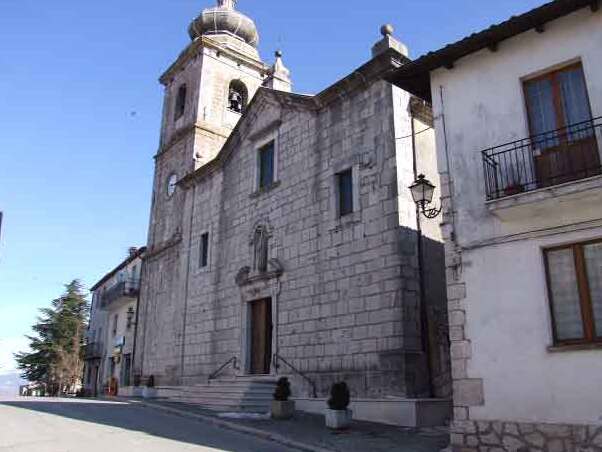

Nestled in the heart of Rionero Sannitico, the Church of San Bartolomeo Apostle stands as a testament to resilience and artistic beauty. Founded in 1557, this sacred space embodies a rich tapestry of history, art, and culture, inviting visitors to delve deeper into the local heritage.
### History and Origins The Church of San Bartolomeo Apostle was constructed in 1557, during a time when the region of Molise was flourishing. The church's establishment coincided with the rise of the Catholic Reformation, which aimed to revitalize the church's influence in Italy. Over the centuries, the church has witnessed numerous events that shaped its destiny.
One of the most significant occurrences was the devastating earthquake of 1805, which caused a collapse of the original structure. This calamity marked a turning point in the church's history. The rebuilding effort that followed was remarkable, funded largely by American emigrants who had roots in the area. Their contributions, both financial and emotional, reflect the enduring connection that Rionero Sannitico has with its diaspora.
### Art and Architecture The architecture of the Church of San Bartolomeo Apostle is emblematic of the Renaissance style, characterized by its Latin cross shape. Inside, visitors are greeted by the grandeur of three naves, elegantly separated by two rows of imposing columns. This design not only enhances the church's aesthetic appeal but also creates a sense of sacred space, inviting reflection and reverence.
Significant artistic elements adorn the interior. The statue of the Creator is a focal point, embodying divine artistry. The altar of St. Bartholomew the Apostle is intricately designed, celebrating the patron saint of the church. Visitors can also appreciate the marble balustrade and the inlaid wooden choir, which showcase the craftsmanship of local artisans. Additionally, two tombstones within the church commemorate notable figures from the area's history, providing a tangible link to the past.
### Local Culture and Traditions The culture surrounding Rionero Sannitico is deeply intertwined with its religious heritage. The Feast of St. Bartholomew, celebrated each year in late August, is a vivid showcase of local customs. The festival features traditional music, dance, and culinary delights, drawing both locals and visitors alike. During this time, the church becomes a focal point for the community, highlighting the importance of faith and tradition in everyday life.
In addition to religious celebrations, the village is known for its warm hospitality. Locals take pride in sharing their customs and stories, making visitors feel welcomed and part of the community. Exploring the village’s narrow streets, one can often hear the echoes of laughter and music, a testament to the vibrant life that continues in this historic setting.
### Gastronomy No visit to Rionero Sannitico is complete without indulging in its culinary offerings. The region is known for its rustic, hearty dishes that reflect the agricultural heritage of the area. Cavatelli, a traditional pasta made from flour and water, is a local favorite, often served with rich sauces featuring seasonal vegetables or meats.
Another highlight is the pecorino cheese, a staple in many local dishes. This cheese complements various antipasti platters and pairs beautifully with the region's robust wines. Don’t miss trying salsiccia, a flavorful sausage that captures the essence of Molise's gastronomy. For dessert, pizzelle, a traditional waffle cookie, is a delightful treat that locals often enjoy during celebrations.
### Lesser-Known Curiosities While many visitors may focus on the church itself, there are intriguing stories and hidden gems in and around Rionero Sannitico. One lesser-known fact is that the church houses a hidden crypt, which was used historically for burials. This crypt adds an air of mystery and depth to the church’s history.
Moreover, the church’s construction materials were sourced locally, a practice that is not only eco-friendly but also ties the church to the landscape. The use of local stone reflects the community's connection to its environment, further enriching the narrative of the church’s history.
### Practical Visitor Information The best time to visit Rionero Sannitico is during the late spring or early autumn. These seasons offer pleasant weather, perfect for exploring the village and participating in local festivities. When visiting the church, take time to appreciate not just the architectural beauty but also the serene atmosphere that invites contemplation.
For those planning a visit, it’s advisable to check local schedules for the Feast of St. Bartholomew or other cultural events to enhance your experience. Don’t forget to explore the surrounding countryside, which offers stunning views and hiking opportunities.
A visit to Rionero Sannitico is more than just a trip to a historical site; it’s an opportunity to connect with a vibrant community and its rich heritage.
To truly make the most of your journey, consider using the Secret World app to craft a personalized itinerary for your visit to this enchanting village.
