



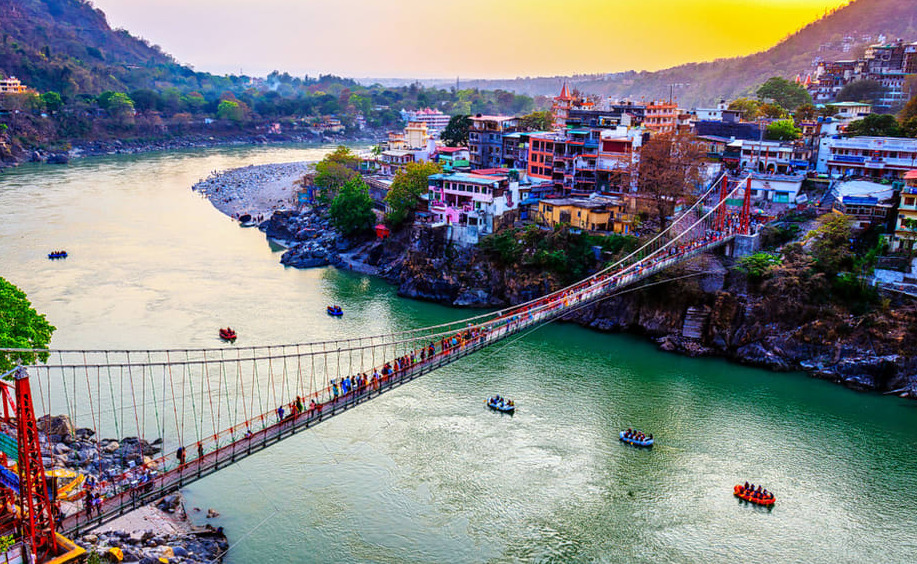
Lakshman Jhula, a breathtaking suspension bridge spanning the sacred Ganges River, serves as a vital link in the enchanting town of Rishikesh, India. Situated approximately 5 kilometers northeast of the main city, it not only connects the northern and eastern parts of Rishikesh but also embodies the rich tapestry of the region’s history and culture. Completed in 1929, Lakshman Jhula stands as a testament to the engineering marvels of its time, symbolizing both the spiritual significance and the vibrant life of the area.
### History and Origins The lore surrounding Lakshman Jhula is as ancient as the river it crosses. According to local legend, the bridge is named after Lakshman, the younger brother of Lord Rama, who is said to have crossed the Ganges at this very location while searching for his wife, Sita. The area around Rishikesh has been a pilgrimage site for centuries, attracting sages and seekers alike due to its proximity to the sacred Himalayas. Though the current structure dates back to the early 20th century, the spiritual significance of the site is deeply rooted in Hindu mythology and practices, making it a revered place for devotees.
### Art and Architecture Lakshman Jhula is a marvel of British colonial architecture, featuring intricate ironwork that stands out against the backdrop of the lush green hills. The bridge is approximately 450 feet long and is suspended by steel cables, presenting an awe-inspiring view of the Ganges below. Its design allows for pedestrian traffic, making it a bustling thoroughfare for locals and tourists alike. The artistic significance of the bridge extends to the nearby temples, such as the Ram Jhula, which showcases traditional Indian architectural elements, with colorful murals and sculptures that narrate tales from Hindu epics.

### Local Culture and Traditions The bridge is not merely a means of crossing the river; it is the heart of Rishikesh’s cultural landscape. Daily life here is interwoven with rituals and traditions, as devotees flock to the banks of the Ganges for aarti ceremonies and meditation at the many ashrams nearby. The town celebrates various festivals with fervor, notably Maha Shivratri and Ganga Dussehra, during which the bridge is adorned with lights and flowers, enhancing its ethereal beauty. As evening falls, the tranquil sounds of chanting and the gentle lapping of the river create an atmosphere of serenity, inviting visitors to reflect and connect with the divine.
### Gastronomy No visit to Rishikesh is complete without indulging in the local cuisine. The area is famous for its vegetarian fare, in line with the spiritual ethos of the town. Must-try dishes include aloo paratha (stuffed flatbread), chole bhature (spiced chickpeas with fried bread), and paneer tikka (grilled cottage cheese). Don’t miss the opportunity to sip on masala chai or fresh fruit juices from local vendors lining the bridge. For those with a sweet tooth, jalebi and ladoo are delectable treats that offer a glimpse into the culinary traditions of the region.
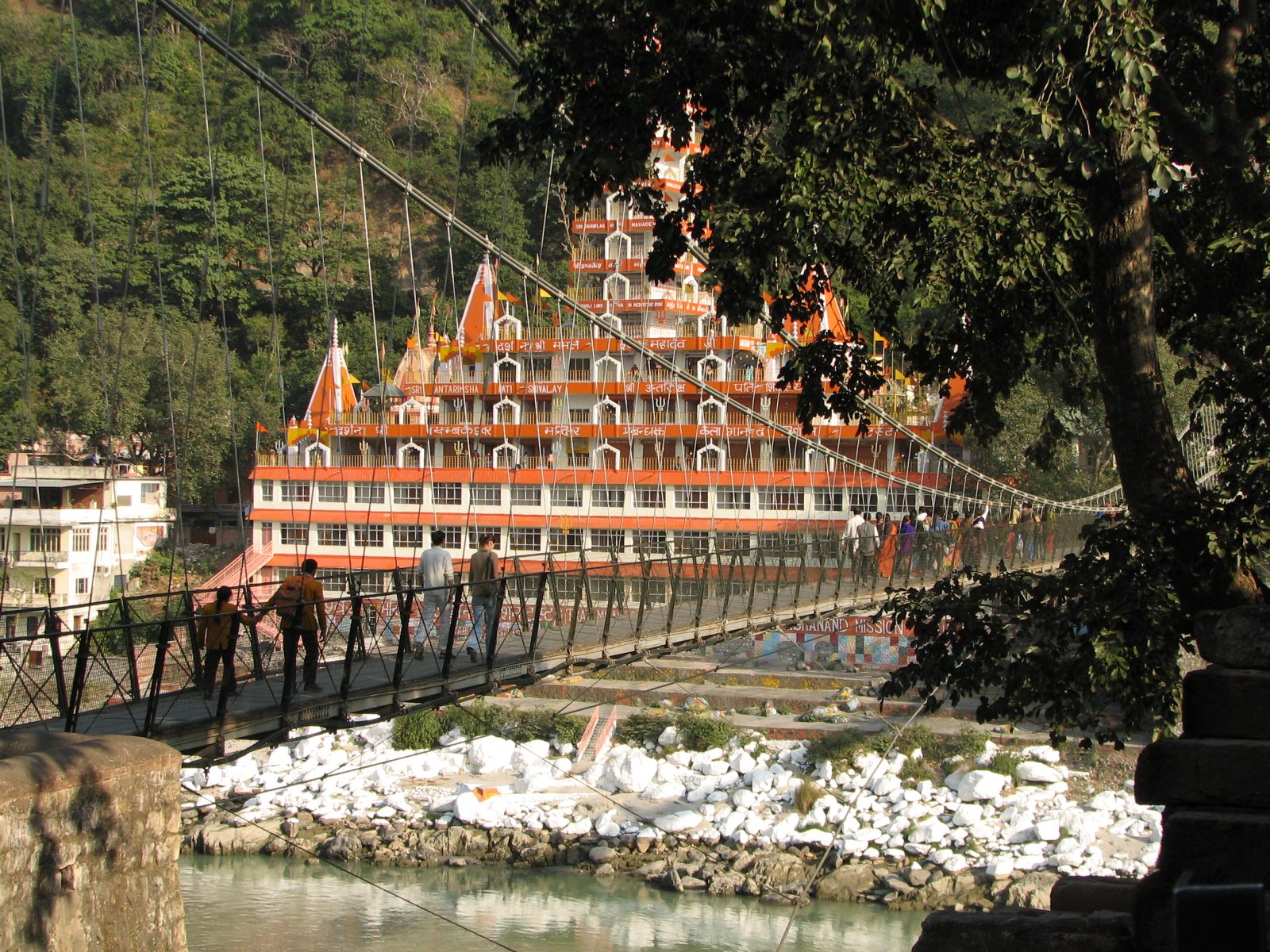
### Lesser-Known Curiosities While many tourists flock to Lakshman Jhula for its views and spiritual significance, there are lesser-known tales that add depth to its charm. For instance, few know that the bridge serves as a vital route for local villagers, enabling them to transport goods and maintain their livelihoods. Additionally, the nearby Tera Manzil Temple, with its unique architecture and vibrant murals, often goes unnoticed by those preoccupied with the bridge itself. The bridge also offers stunning views of the Neelkanth Mahadev Temple perched in the hills, which is a pilgrimage site dedicated to Lord Shiva.
### Practical Visitor Information To fully appreciate Lakshman Jhula, the best time to visit is during the cooler months from October to March when the weather is pleasant. Early mornings or late evenings provide the most serene experiences, as the crowds thin out. It's advisable to wear comfortable shoes for the walk across the bridge, and don't forget your camera to capture the magical views. Look out for the local artisans selling handcrafted items along the way, adding a personal touch to your visit.
As you stroll across Lakshman Jhula, take a moment to soak in the spiritual essence of this remarkable place, where ancient traditions meet modern life along the banks of the Ganges. For a personalized journey through Rishikesh, consider exploring the Secret World app to plan your itinerary.
