



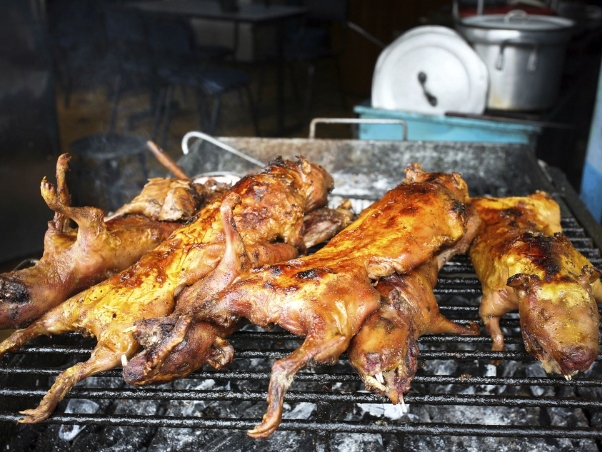
In the heart of the Peruvian Andes, Roasted Cuy (pronounced 'kwee') offers a unique glimpse into the culinary traditions that have shaped the region for millennia. This delicacy, essentially guinea pig, has been a fundamental part of Peruvian diets for approximately 5,000 years, tracing its origins back to ancient civilizations like the Incas. Contrary to the perception of guinea pigs as mere pets in the Western world, in Peru, they are treasured as a source of food and cultural identity. Each October, Peru celebrates Cuy Day on the second Friday, paying homage to this remarkable animal that has sustained generations of Andean families.

The history of cuy consumption is deeply interwoven with the agricultural practices of ancient Peruvian societies. The Incas domesticated these small mammals, recognizing their adaptability and nutritional value. Cuy was not just a food source; it also played a role in religious ceremonies and social events. Archaeological evidence indicates that cuy remains have been found in Inca burial sites, suggesting their significance in ancient rituals. The enduring legacy of this tradition is a testament to the resilience of indigenous Peruvian culture in the face of colonization and modernization.
When it comes to art and architecture, the influence of the cuy can be seen in various cultural expressions throughout Peru. While it may not have a direct architectural representation, the traditional Andean homes, known as chullpas or qolqas, often serve as gathering places where families cook and share meals. In these warm, earthen structures, the communal spirit thrives, and the preparation of roasted cuy often becomes a social event. Notable artworks, such as the vibrant textiles from Cusco, depict scenes of cuy being prepared, symbolizing its cultural importance.
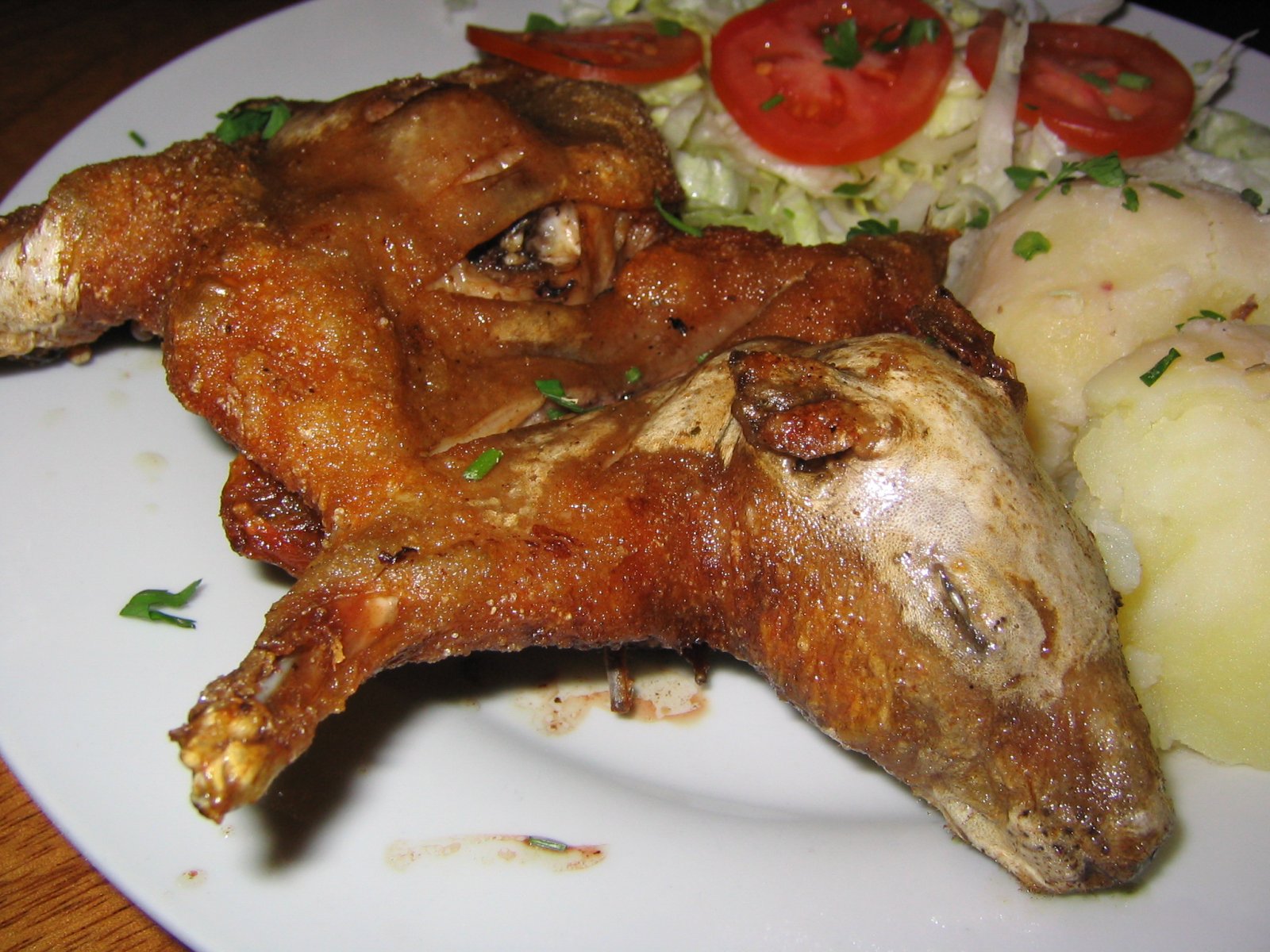
Local culture and traditions are rich with customs surrounding the preparation and consumption of roasted cuy. Families often gather to celebrate special occasions with a cuy feast, where the dish is roasted on a spit and served with traditional sides like potatoes and corn. Festivals such as Inti Raymi, the Festival of the Sun, highlight the significance of agriculture and the celebration of harvests, where cuy often takes center stage in communal meals. The preparation methods vary from region to region, showcasing the rich diversity of Peruvian cuisine.
In terms of gastronomy, roasted cuy is often seasoned with a mix of Andean herbs and spices, giving it a unique flavor that can’t be found elsewhere. Served traditionally, it is accompanied by aji sauce — a spicy condiment made from local chili peppers — and is often enjoyed with a refreshing glass of chicha, a fermented corn beverage. The dish is not only a culinary delight but also a cultural experience, as it reflects the agricultural bounty of the Andes.
For the curious traveler, there are several lesser-known curiosities about roasted cuy that enhance its allure. For instance, in some communities, the preparation of cuy is considered a rite of passage, marking significant milestones in a young person's life. Additionally, cuy is reputed for its health benefits, being high in protein and low in fat, making it a nutritious option for those looking to experience authentic Peruvian cuisine.
When planning your visit to experience roasted cuy, the best time is during the dry season, from May to October, when the weather is most pleasant for outdoor feasting and celebrations. Local markets, especially in cities like Cusco and Arequipa, offer the freshest cuy, and it’s advisable to seek out restaurants that specialize in traditional Andean cuisine for the most authentic experience. Be sure to engage with locals, as they often have unique recipes and preparation methods that vary from family to family.
To ensure a rich experience, consider learning a few local phrases in Quechua or Spanish, as this will endear you to the community and enhance your culinary journey.
Roasted cuy is not merely a dish; it is a living tradition that embodies the spirit of the Andes. To truly appreciate this culinary marvel and the culture that surrounds it, use the Secret World app to plan a personalized itinerary tailored to your interests.
