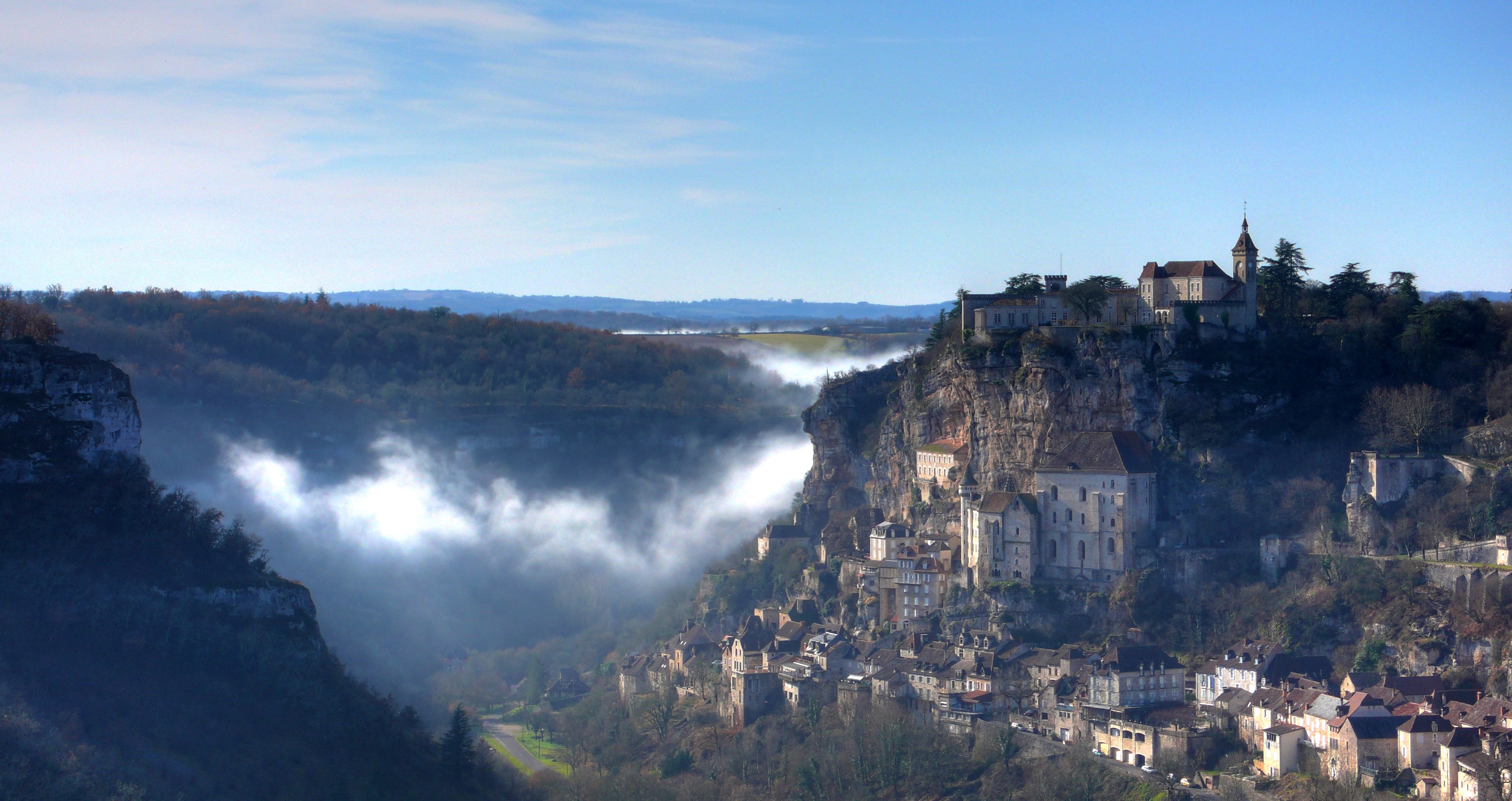

Nestled precariously on the limestone cliffs of the Alzou canyon, the village of Rocamadour is a breathtaking spectacle, where nature and spirituality intertwine. This sacred town, a significant pilgrimage site for centuries, offers visitors a glimpse into both its remarkable history and its vibrant local culture.
### History and Origins
The origins of Rocamadour date back to the 8th century, when a hermit named Amadour is said to have settled in the area. The village’s name itself is derived from this early figure, believed to be a disciple of Saint James. The site gained prominence in 1166 when the local bishop declared the first miracles attributed to the Black Virgin statue, a wooden representation of the Virgin Mary that became central to the pilgrimage.
By the Middle Ages, Rocamadour had evolved into a bustling pilgrimage hub, attracting thousands seeking spiritual solace and healing. The village was fortified during the 12th and 13th centuries, and the construction of the Basilica of Saint-Sauveur and various chapels solidified its status as a sacred destination. The Hundred Years' War and the Cathar Crusades brought challenges to the village, yet it endured, continuously drawing the faithful.
### Art and Architecture
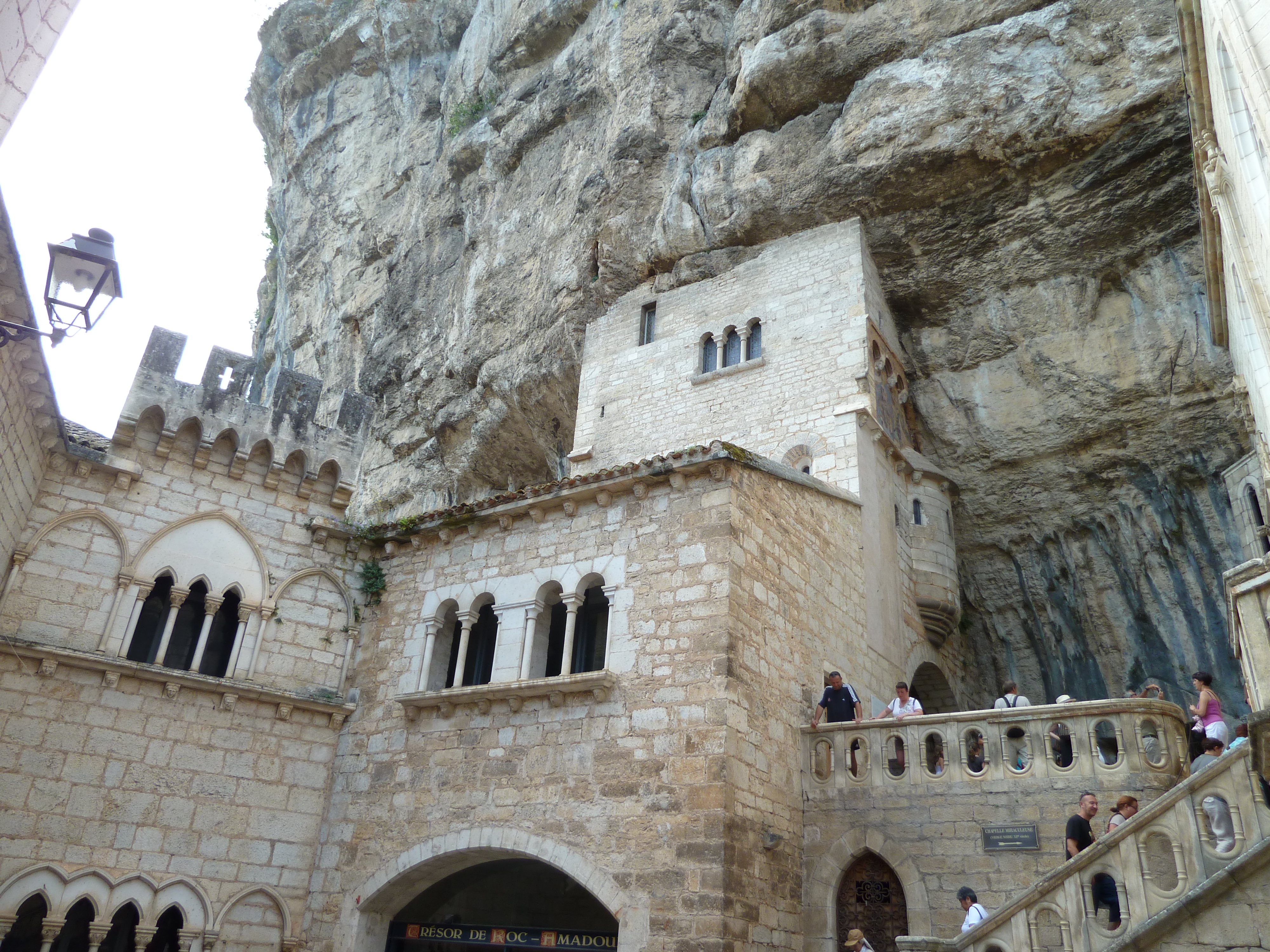
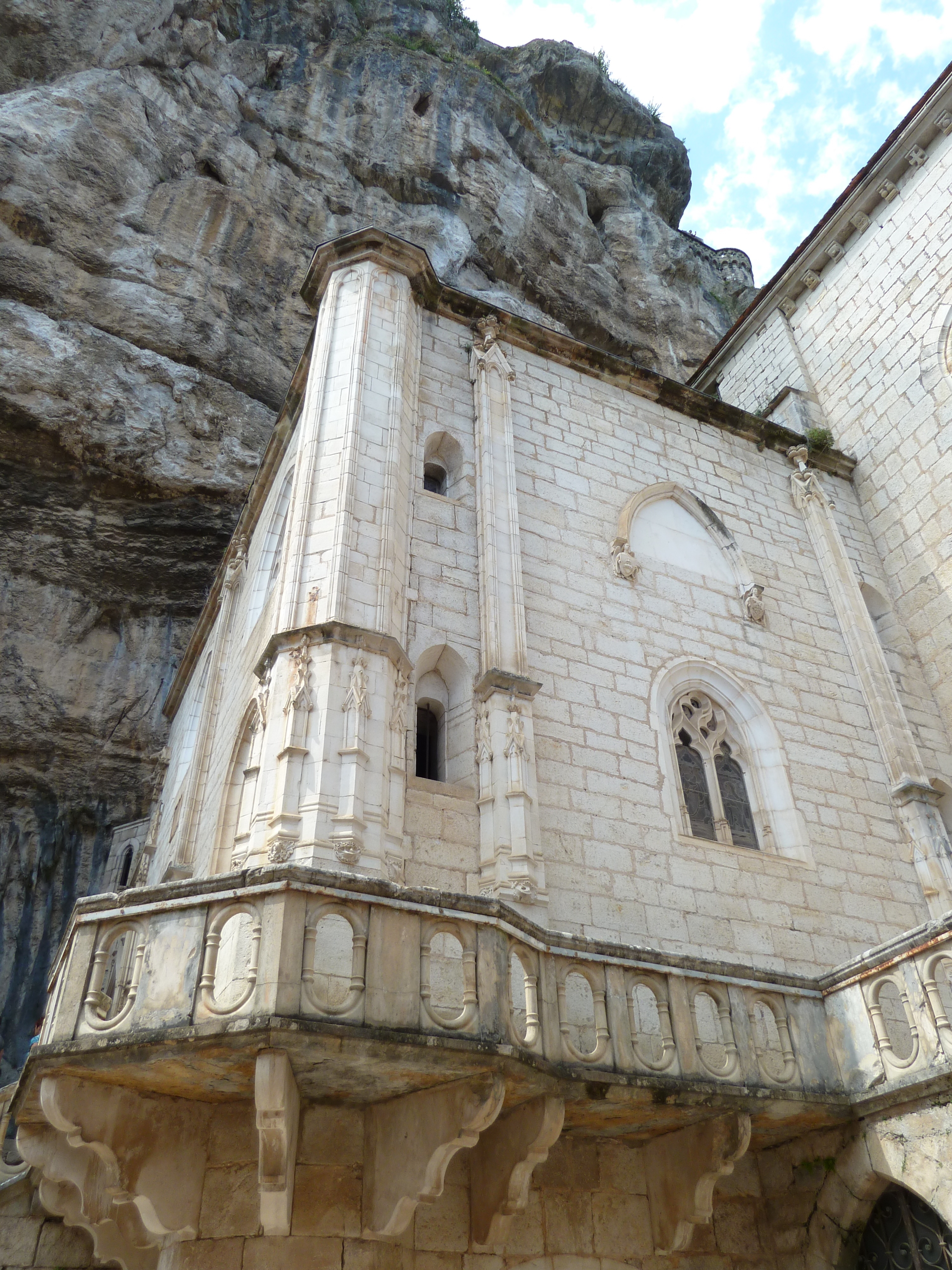
Rocamadour is a marvel of medieval architecture, characterized by its harmonious blend of Romanesque and Gothic styles. The buildings seem to cling to the cliffside, creating a surreal skyline that reflects its historical significance.
Among the architectural highlights is the Notre-Dame chapel, also known as the Chapel of Miracles, which houses the revered Black Virgin statue from the 12th century. Pilgrims often touch the statue, believing it holds miraculous powers. The Saint-Michel chapel, perched even higher on the cliffs, offers stunning views of the canyon below and is dedicated to the Archangel Michael.
The Sacred Art Museum within the former Papal Palace showcases an impressive collection of religious artifacts, paintings, and sculptures. The museum narrates the rich spiritual heritage of Rocamadour and preserves the artistry that has emerged from this sacred site.
### Local Culture and Traditions
The culture of Rocamadour is deeply intertwined with its religious practices and the traditions of its inhabitants. Every year, the village hosts the Feast of Saint Amadour in September, a vibrant celebration that pays homage to the village’s founder. This festival features processions, music, and traditional dances, drawing both locals and visitors alike.
Another tradition is the annual Pilgrimage of the Black Virgin, where thousands of pilgrims traverse the steep path to the village, echoing the footsteps of those who sought healing and redemption throughout the centuries. The unique blend of historical reverence and contemporary celebration makes Rocamadour a living testament to its past.
### Gastronomy
The culinary scene in Rocamadour is a delightful reflection of its geographical bounty. One of the local specialties is Rocamadour cheese, a creamy, tangy goat cheese that has been produced in the region for centuries. With its rich flavor, this cheese pairs beautifully with the local red wines from Cahors.
Visitors can also savor Confit de Canard, a dish of duck slow-cooked in its own fat, and indulge in Foie Gras, a delicacy that showcases the region's gastronomic heritage. The village’s quaint eateries often feature outdoor dining, allowing guests to enjoy these dishes while soaking in the stunning views of the surrounding landscapes.
### Lesser-Known Curiosities
While many visitors flock to see the Black Virgin, a lesser-known fact is that the Cliffside Trail offers hidden chapels and stunning viewpoints often overlooked by the average tourist. The Chapelle Saint-Amadour, dedicated to the founder of the village, is tucked away from the main routes but provides an intimate glimpse into the spiritual life of Rocamadour.
Additionally, the Papal Palace not only houses the museum but also contains fascinating artifacts from the Middle Ages, including ancient manuscripts and religious relics that tell the story of Rocamadour’s significance in the Catholic Church.
### Practical Visitor Information
The best time to visit Rocamadour is during the spring and early autumn when the weather is mild, and the crowds are manageable. Summer can become quite busy, especially during pilgrimage seasons.
When visiting, be sure to wear comfortable shoes, as the village is built on steep inclines and requires considerable walking. Look out for the 216 steps of the main staircase that lead to the church square; they serve as both a physical challenge and a spiritual journey for many pilgrims.
In conclusion, Rocamadour offers a unique blend of history, spirituality, and breathtaking scenery. The mysteries of this ancient village await to be uncovered by those willing to explore its sacred paths and savor its local flavors.
For a personalized journey through Rocamadour, consider using the Secret World app to plan your itinerary seamlessly.