
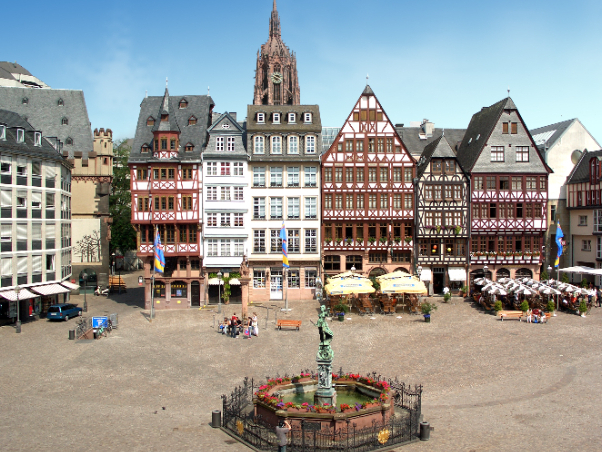

The beating heart of Frankfurt, Römerberg, stands as a testament to the city's resilience and rich tapestry of history. This bustling square, often likened to a living museum, showcases layers of time etched into its cobblestones and timber-framed facades. As you step onto Römerberg, you're not just visiting a square—you're walking through centuries of stories.
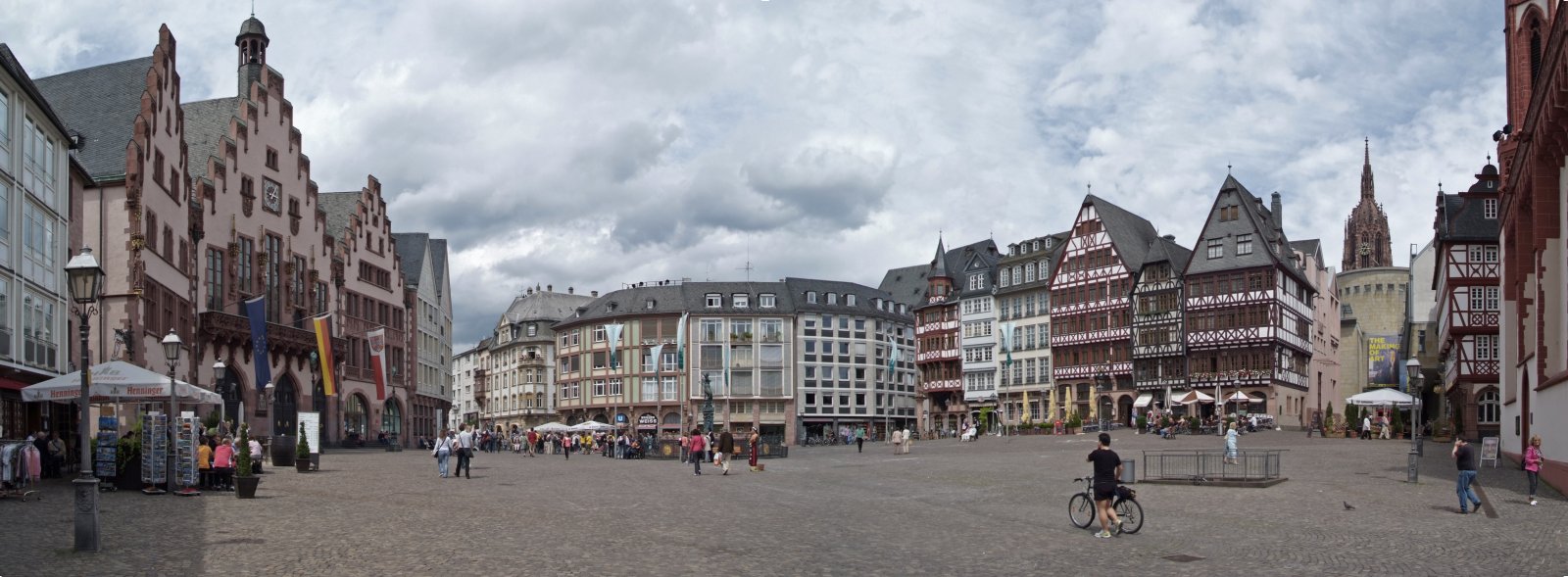
The origins of Römerberg trace back to the Middle Ages when it served as the stage for Frankfurt's vibrant trade fairs, drawing merchants and craftsmen from across Europe. It became the site for imperial coronations, with the first being that of Maximilian II in 1562, a tradition that continued until the early 19th century. The square has witnessed the ebbs and flows of history, including its near-total destruction during World War II and its meticulous post-war reconstruction, which restored its medieval charm brick by brick.
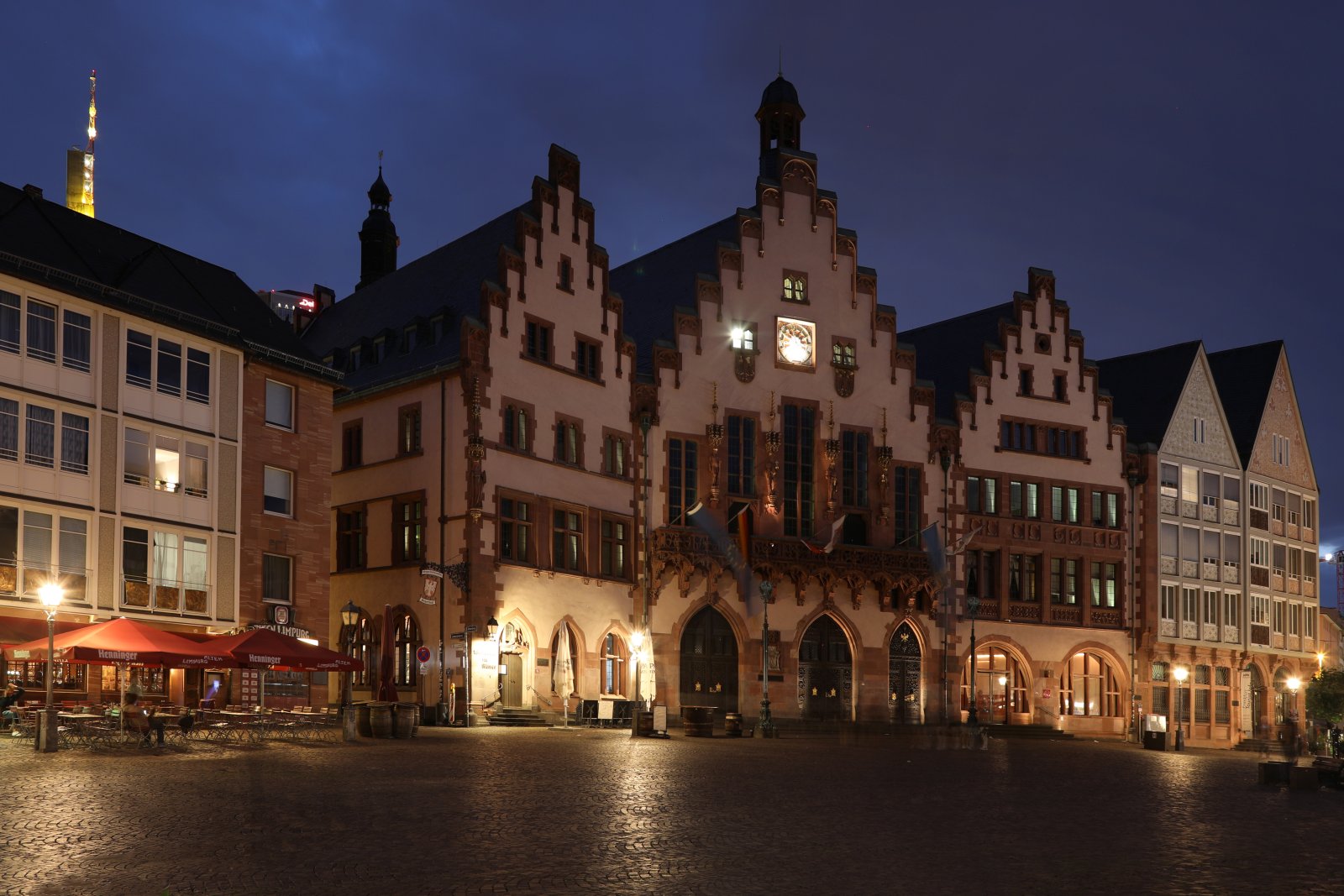
Architecturally, Römerberg is a feast for the eyes. The centerpiece is the Rathaus Römer, Frankfurt's city hall since 1405. Its iconic stepped gables and Gothic-style windows exude a timeless elegance. Adjacent to the Römer is the Alte Nikolaikirche, a Gothic church dating back to the 12th century, notable for its 47-bell carillon that serenades the square with hourly chimes. The row of Ostzeile houses, meticulously reconstructed in the 1980s to mirror their 15th and 16th-century predecessors, showcases traditional half-timbered architecture, with intricate patterns and vibrant colors that capture the eye and the imagination.
Römerberg is not just about stone and wood; it's alive with local culture and traditions. Each December, it transforms into a winter wonderland as the Frankfurt Christmas Market takes over, one of the oldest and most enchanting in Germany. Stalls brim with handcrafted ornaments, while the aroma of mulled wine and roasted chestnuts fills the air. Throughout the year, the square hosts various festivals, including the Ostermarkt, a lively Easter market celebrating spring's arrival with colorful eggs and festive music.
No visit to Römerberg would be complete without indulging in its local gastronomy. Frankfurt's culinary scene is as diverse as its history. Sample a slice of Frankfurter Kranz, a buttercream cake crowned with caramelized nuts, or savor a hearty plate of Grüne Soße, a herbaceous green sauce traditionally served with boiled eggs or potatoes. Wash it all down with a glass of Apfelwein, the region's beloved cider, often enjoyed in the cozy taverns surrounding the square.
Beyond the obvious attractions, Römerberg harbors lesser-known curiosities. Look closely at the Gerechtigkeitsbrunnen—the Fountain of Justice—where Lady Justice stands, scales in hand but without her usual blindfold, symbolizing fairness with eyes wide open. Another hidden gem is the Kaisersaal within the Rathaus, adorned with portraits of 52 Holy Roman Emperors, offering a glimpse into the empire's storied past. Few tourists realize that beneath the square lie layers of history, including remnants of ancient Roman settlements, hinting at Frankfurt's origins over two millennia ago.
For those planning a visit, timing can enhance the experience. The best time to visit Römerberg is in the spring or early autumn when the weather is mild, and the crowds are thinner, allowing for leisurely exploration. Arrive early in the morning to witness the square bathed in soft light, or linger until dusk when the buildings glow under the warm embrace of street lamps. Don't miss the opportunity to climb the nearby Domturm for panoramic views of the square and the city beyond.
As you wander through Römerberg, let your senses absorb the symphony of sights, sounds, and scents. With each step, you'll uncover stories that have shaped not only Frankfurt but the world beyond. Whether you're a history buff, an architecture enthusiast, or simply a curious traveler, Römerberg promises an experience as rich and varied as the epochs it has endured.


