


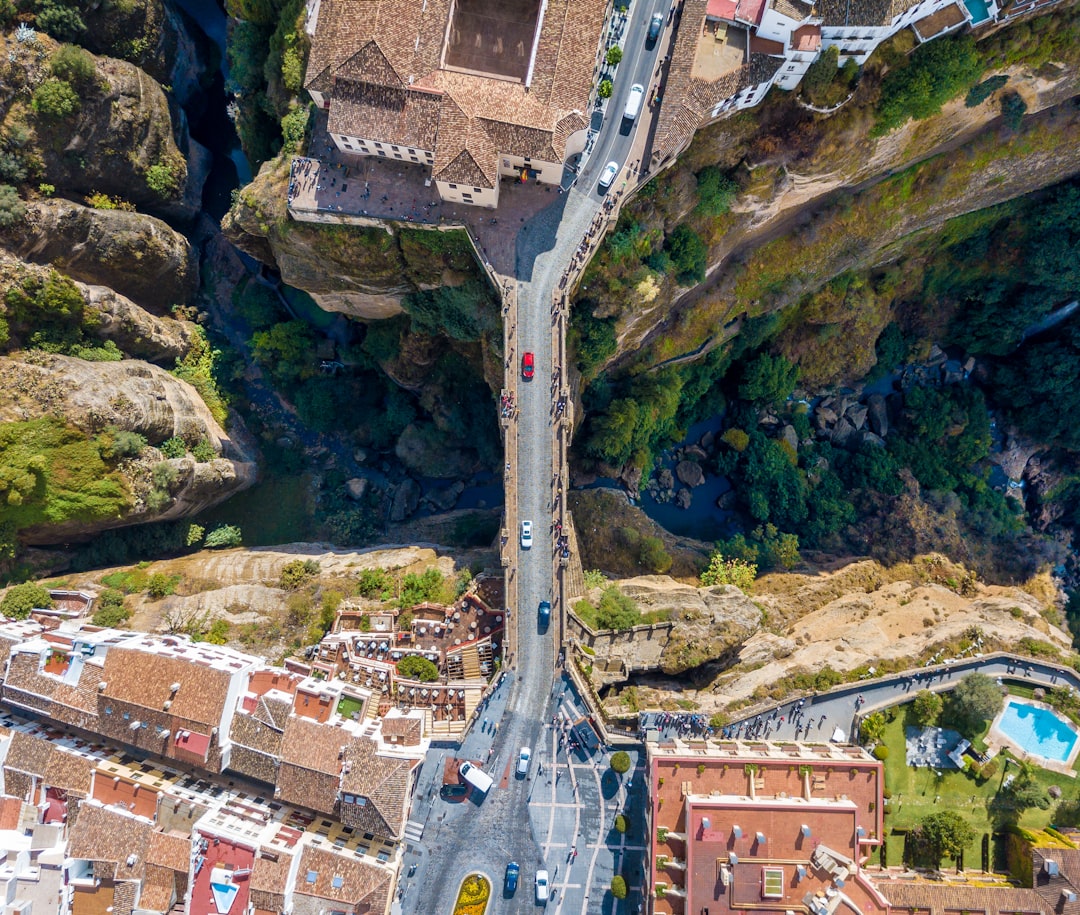
Ronda, a jewel nestled among the mountains of Andalusia, is one of the most enchanting locations in Spain. Known for its spectacular position over a deep canyon, the city offers breathtaking views of the Guadalevín River, which divides it in two. Its relaxed atmosphere is an ideal refuge for those looking to escape the mass tourism of the Costa del Sol, while still being easily accessible for visitors seeking a day trip.

The history of Ronda is as fascinating as its landscape. Its origins date back to prehistoric settlements, and its past is marked by a succession of dominations that have left an indelible mark on the culture and architecture of the city. From the conquest by the Suebi in the fifth century, through the dominance of the Roman Empire, to the significant Muslim period, Ronda has always represented a crossroads of cultures and traditions.
History and Origins
Ronda has been inhabited since the Neolithic, as evidenced by the remains of prehistoric settlements and the rock art of the Cueva de la Pileta. Pliny the Elder mentions the places of Arunda and Acinipo, traditionally identified with present-day Ronda. In the fifth century, the city was conquered by the Suebi, but in the following century it returned under the control of the Roman Empire. With the Visigoth conquest, Ronda became an important center of the kingdom until 713, when it was captured by the Umayyad Muslims, who renamed it Hisn al-Rundah and elevated it to the capital of the province of Takurunna.
During the Muslim period, Ronda experienced significant cultural and commercial development. It was the home of Abbas ibn Firnas, a polymath known for his flight experiments and inventions. The city continued to prosper until the Reconquista, when in 1485 it was definitively conquered by the Catholics. Today, Ronda is a symbol of Spain's rich historical heritage, where every corner tells stories of a fascinating past.
Sights to Observe
One of the highlights of Ronda is its famous bridge, the Puente Nuevo, which spans the deep canyon and offers spectacular views. Built in the 18th century, the bridge is a masterpiece of engineering and a symbol of the city. Strolling along its cobbled streets, visitors can admire the Moorish and Renaissance architecture, with historic buildings such as the Plaza de Toros, one of the oldest bullrings in Spain, which testifies to the tradition of bullfighting.
Another must-see is the Palacio de Mondragón, which houses a museum that tells the story of Ronda and its evolution over the centuries. The palace gardens offer a serene refuge with panoramic views of the surrounding landscape. Every corner of Ronda invites exploration of its rich history and the natural beauty that surrounds it.
Why It Is Interesting Today
Today, Ronda is a fascinating destination for those seeking an authentic experience in Andalusia. Its combination of natural beauty, history, and culture makes it an ideal place for photography and history lovers. The city is also a great starting point for exploring the Sierra de las Nieves National Park, which offers numerous hiking trails and outdoor activities.
Moreover, Ronda is famous for its gastronomy, with restaurants offering typical Andalusian dishes and local wines. Visitors can savor regional specialties, immersed in an atmosphere that blends tradition and modernity. Ronda is not just a place to visit, but an experience that leaves a mark on the heart of travelers.
Practical Information for Visitors
Ronda is easily reachable by car or public transport from Malaga and other Andalusian cities. Once there, it is advisable to explore the city on foot to fully appreciate its architecture and views. The spring and autumn months are ideal for visiting, thanks to mild temperatures and lower tourist crowds.
Don't forget to bring a camera, as every corner of Ronda is an opportunity to capture the beauty of this historic city. For those wishing to deepen their experience, the Secret World app offers detailed information and tips to discover the best of Ronda and its surroundings.


