



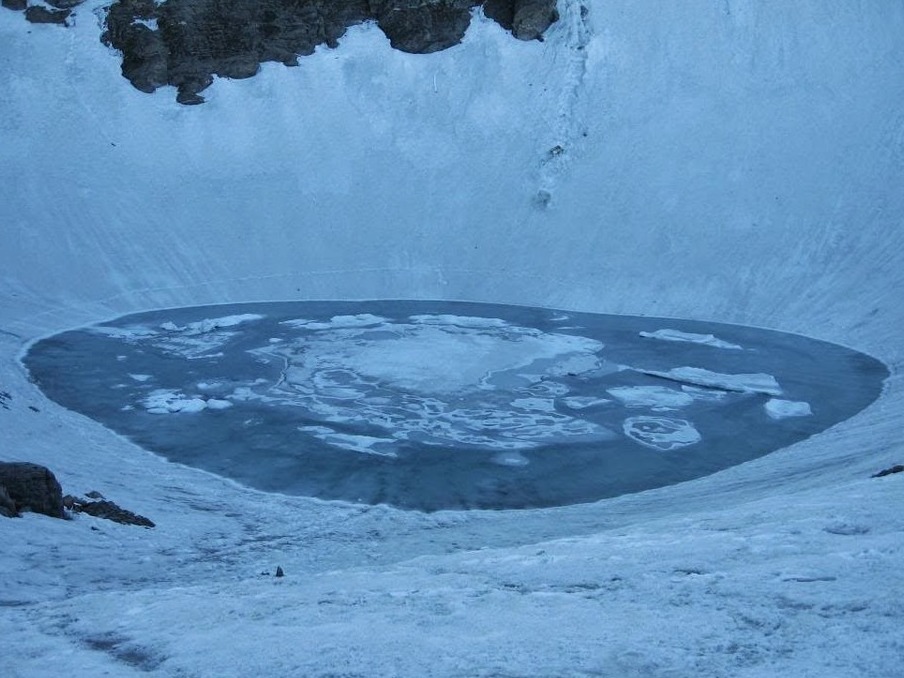
Perched at a dizzying 16,400 feet, Roopkund Lake in Wan, India is more than just a high-altitude glacial marvel. It is a place where nature meets history in a hauntingly beautiful dance. Surrounded by snow-laden peaks and adorned with an aura of mystery, this lake is famously known as Skeleton Lake, owing to the hundreds of human skeletal remains that emerge from its icy embrace when the snow melts. This enigma has drawn historians and travelers alike, eager to unravel its secrets.
The story of Roopkund dates back to the 9th century when a sudden, violent hailstorm is believed to have caught a group of pilgrims off guard, leading to their untimely demise. These skeletons lay dormant for centuries until their discovery raised questions and piqued the curiosity of researchers worldwide. The lake's eerie allure is amplified by its pristine, untouched beauty, making it both a historical and natural wonder.
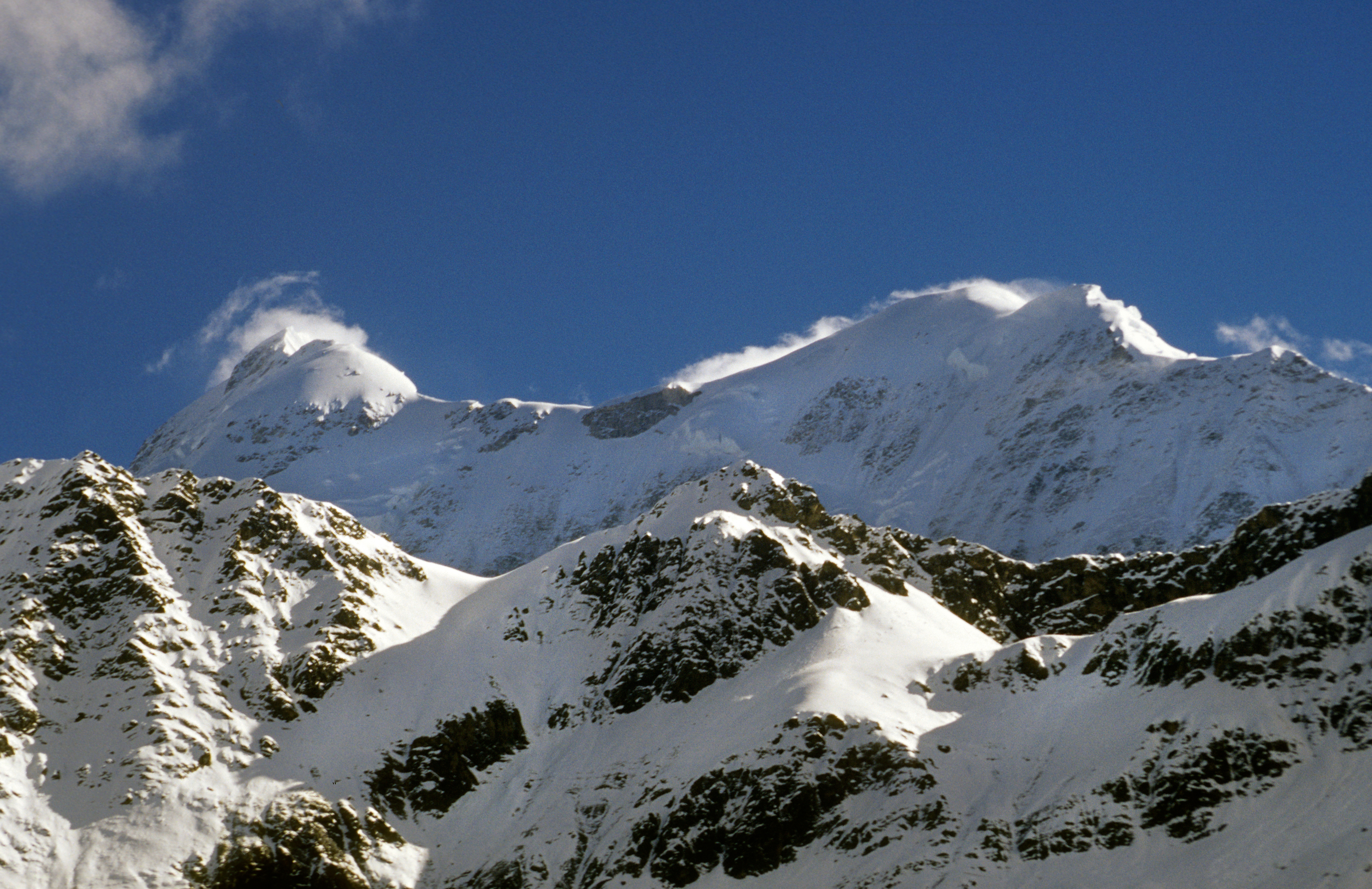
While Roopkund might not boast grand architectural feats, the surrounding landscape is a masterpiece in its own right. The Himalayan backdrop offers a breathtaking panoramic view that rivals any man-made structure. The area around the lake is dotted with ancient Hindu shrines, hinting at the religious significance and the pilgrimages that once took place here.

The culture of the region is rich and deeply rooted in local traditions. The Nanda Devi Raj Jat, a significant pilgrimage and festival, takes place every twelve years, drawing people from various parts of India. This event is a vibrant display of the community's devotion and cultural heritage, celebrating the goddess Nanda Devi.
When it comes to gastronomy, the local cuisine is as hearty as it is delightful. Typical dishes include Aloo Ke Gutke (spiced potatoes) and Bhang Ki Chutney (a hemp seed chutney), offering a unique taste of the region's culinary traditions. These dishes reflect the simplicity and the robust flavors that define the local diet.
Among the lesser-known curiosities, Roopkund's flora and fauna offer a surprising diversity. The trek to the lake passes through lush rhododendron forests and alpine meadows, home to a variety of Himalayan wildlife. This hidden biodiversity is often overlooked by those solely focused on the skeletal remains.
For those planning a visit, the best time to experience the spectacle of Roopkund is between May and October when the snow has melted, revealing the enigmatic skeletons. However, the trek is not for the faint-hearted, demanding both physical endurance and an adventurous spirit. It is crucial to be well-prepared for the high-altitude conditions and to travel with guides who are familiar with the challenging terrain.
Roopkund is a place where history, culture, and natural beauty converge in a mesmerizing tableau, leaving visitors with memories etched as deeply as the ancient skeletons in the glacial depths. For a personalized itinerary to uncover the secrets of Wan, explore the Secret World app.
