



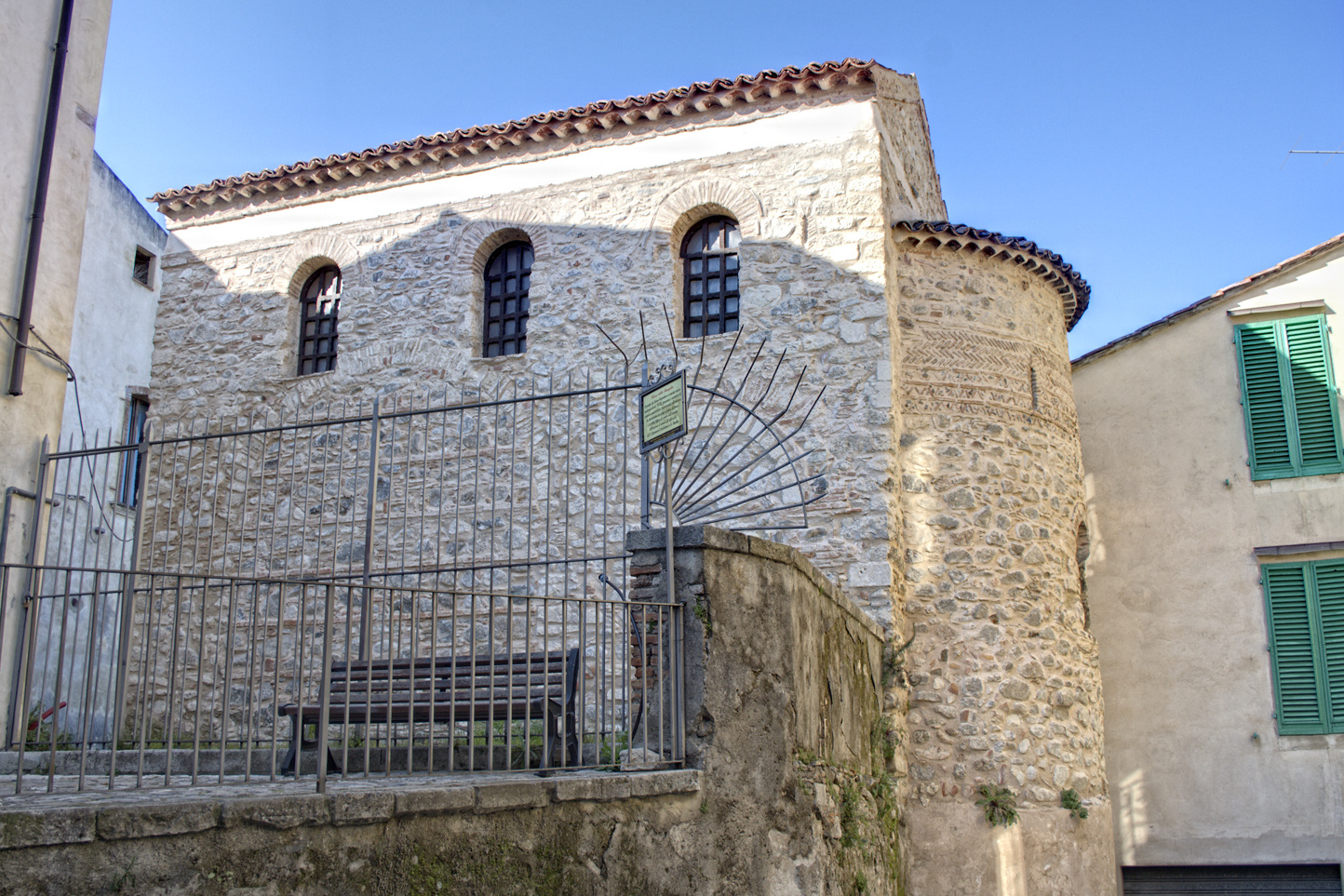
Nestled in the heart of Calabria, the town of Rossano is a hidden gem that offers a journey through time, where Byzantine influences whisper tales of a bygone era. Among its most captivating sites is the little church-oratory of Panaghìa, an exquisite testament to the town's rich historical tapestry.
### History and Origins Rossano, often referred to as the “Ravenna of the South,” boasts a profound historical legacy dating back to ancient times. The Panaghìa, or "Tutta Santa," as it is known in Greek, is a Byzantine construction from the 10th to 11th century, nestled within Rossano's historical core. This period marked a time when the Byzantine Empire's cultural and religious influences were at their peak in southern Italy, leaving an indelible mark on the region's architectural and spiritual landscape.
### Art and Architecture The Panaghìa is a striking example of Byzantine architecture, with its semicircular apse facing east symbolizing spiritual ascension. The exterior's brick and stonework is adorned with herringbone patterns and triangles, characteristic of Byzantine design. Inside, the single nave is illuminated by six double lancet windows, creating a serene ambiance. Notably, the church houses a remarkable 14th-century fresco of St. John Chrysostom, holding a scroll inscribed in Greek, alongside remnants of a fresco of St. Basil. A 16th-century painting of the Visitation further adds to the church's artistic allure.
### Local Culture and Traditions Rossano is steeped in cultural traditions, blending Byzantine heritage with local customs. The town celebrates its past through vibrant festivals, such as the Varia di Palmi, a UNESCO-recognized event that showcases the region's unique blend of spirituality and folklore. These cultural gatherings offer a window into the community's soul, where age-old traditions are kept alive through music, dance, and communal feasting.
### Gastronomy The culinary scene in Rossano is a flavorful exploration of Calabria's rich produce. Visitors can savor 'Nduja, a spicy, spreadable pork salami that reflects the region's robust flavors. Caciocavallo cheese and Tartufo di Pizzo ice cream are also local specialties not to be missed. Pair these dishes with a glass of Cirò, a celebrated local wine, to experience the true taste of Rossano.
### Lesser-Known Curiosities Few visitors are aware that Rossano is home to the Codex Purpureus Rossanensis, a 6th-century illuminated manuscript that is one of the oldest surviving Gospel books. Housed in the Diocesan Museum, this artifact offers a glimpse into the early Christian world and is a must-see for history enthusiasts. Moreover, the town's strategic hillside location has long provided defense against invaders, adding layers to its intriguing narrative.
### Practical Visitor Information The best time to visit Rossano is during the spring or early autumn when the weather is pleasant and the town's natural beauty is in full bloom. As you explore, look out for the subtle Byzantine motifs that adorn many of the town's buildings, offering a seamless blend of past and present. Don't miss a visit to the AcquaPark Odissea 2000 if you're traveling with family, for a day of fun under the Calabrian sun.
For a personalized journey through Rossano's historical and cultural wonders, plan your itinerary with the Secret World app.
