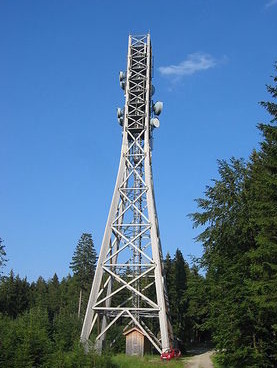


In the picturesque village of Rottenbuch, nestled in the heart of Bavaria, the Rottenbuch Radio Tower stands as both a remarkable engineering feat and a testament to a bygone era. Constructed entirely of wood, this unique cell phone tower serves as a striking reminder of early 20th-century communication infrastructure, particularly before the sweeping changes brought about by the mid-1930s. With its towering presence against the backdrop of the stunning Bavarian Alps, the tower embodies both functionality and artistry, attracting visitors intrigued by its distinctive design and historical significance.
### History and Origins The roots of Rottenbuch trace back to its founding in the 8th century, though it gained prominence as a key location during the Middle Ages. The village is also home to the Rottenbuch Abbey, established in 1140, which played a significant role in the region's spiritual and cultural life. Fast forward to the early 20th century, and the landscape of communication was evolving rapidly. The Rottenbuch Radio Tower, completed in 1997, is a modern marvel that pays homage to the wooden towers of the past, designed to blend into the natural surroundings while also serving a critical role in telecommunications.
Before 1935, wooden radio towers were relatively common across Germany, prized for their insulating properties that allowed for antenna wires to be suspended easily. However, the catastrophic tornado that struck the Langenberg transmitter in October 1935 marked a turning point, leading to a decline in the construction of wooden towers. The Rottenbuch Radio Tower stands as a rare exception, representing a revival of this traditional building method in a contemporary context.
### Art and Architecture The Rottenbuch Radio Tower is an architectural gem, showcasing a blend of traditional craftsmanship with modern engineering. Standing approximately 30 meters tall, the tower is constructed entirely from locally sourced timber, emphasizing sustainability and environmental harmony. Its sleek, minimalist design contrasts the lush Bavarian landscape, creating a striking visual juxtaposition.
The craftsmanship involved in the tower's construction reflects a deep respect for the region’s woodworking traditions. Each beam and joint is meticulously designed to ensure structural integrity while offering an aesthetically pleasing silhouette. Visitors are often captivated by the way the tower harmonizes with its surroundings, blending functionality with artistry in an unforgettable manner.
### Local Culture and Traditions Rottenbuch is steeped in rich traditions, with a local culture that draws heavily on Bavarian customs. One of the most celebrated events is the traditional Bavarian festival, which occurs annually in September. This vibrant festival features folk music, dance, and local artisans showcasing their crafts. Visitors can immerse themselves in the local culture, sampling traditional Bavarian fare while enjoying performances that highlight the region's heritage.
Additionally, the village hosts a Christmas market every December, where locals gather to celebrate the festive season with handmade crafts, mulled wine, and delicious pastries. These events not only foster community spirit but also provide a unique opportunity for visitors to experience the warmth and hospitality of Bavarian culture.
### Gastronomy No visit to Rottenbuch would be complete without indulging in the region's culinary delights. The local gastronomy is defined by hearty dishes that reflect Bavarian traditions. One must-try is the Weißwurst, a traditional white sausage served with sweet mustard and freshly baked pretzels. Another local specialty is Schweinshaxe, a roasted pork knuckle that is crispy on the outside and tender on the inside, typically served with sauerkraut and dumplings.
For those with a sweet tooth, don’t miss the chance to taste Bavarian cream and Apfelstrudel, which perfectly encapsulate the region's love for pastries and desserts. Pair these dishes with a refreshing pint of local beer, brewed in accordance with the Reinheitsgebot, or German Beer Purity Law, which guarantees the quality of ingredients.
### Lesser-known Curiosities Despite its relatively recent construction, the Rottenbuch Radio Tower holds some fascinating stories. One lesser-known fact is the community's involvement in its creation; local artisans were enlisted to ensure that the tower was not only a functional piece of infrastructure but also a representation of the area's cultural heritage.
Moreover, the tower's unique wooden construction has sparked interest among architects and engineers globally, leading to discussions about sustainable building practices. This interest has also made Rottenbuch a focal point for educational tours focused on renewable materials and eco-friendly architecture.
### Practical Visitor Information The best time to visit Rottenbuch is during the late spring and early autumn months when the weather is mild, and the surrounding landscape is vibrant with greenery. Visitors can take advantage of the scenic hiking trails that offer stunning views of the Bavarian Alps.
When planning your visit, consider taking guided tours that delve into the tower's history and architectural significance. Also, it's worth checking local event calendars to coincide your visit with one of the village's lively festivals for a truly immersive experience.
In summary, the Rottenbuch Radio Tower is not just a functional structure but a significant cultural landmark that beautifully marries history, architecture, and local traditions. For a well-rounded experience, consider using the Secret World app to craft a personalized itinerary exploring all that Rottenbuch has to offer.